Law report No. GLW-5627 · filed October 20, 2026
Regulation & EnforcementReported case
Nobel for Pillay, Sanctions for the Court: Trump Hits the ICC
Donald Trump sanctioned the International Criminal Court hours after Navi Pillay, a former ICC judge, won the 2026 Nobel Peace Prize. Here is what the clash means for the court.
By Amara Osei4 min read722 words
Holding
- Donald Trump imposed sanctions on the ICC hours after the Nobel announcement on 20 October 2026.
- Navi Pillay, a South African human rights lawyer, served five years as an ICC judge.
- The UN commission of inquiry chaired by Pillay found in September 2025 that Israel had committed genocide in Gaza.
- Kenneth Roth, former Human Rights Watch executive director, called the move an assault on the ICC and urged defense of international law.
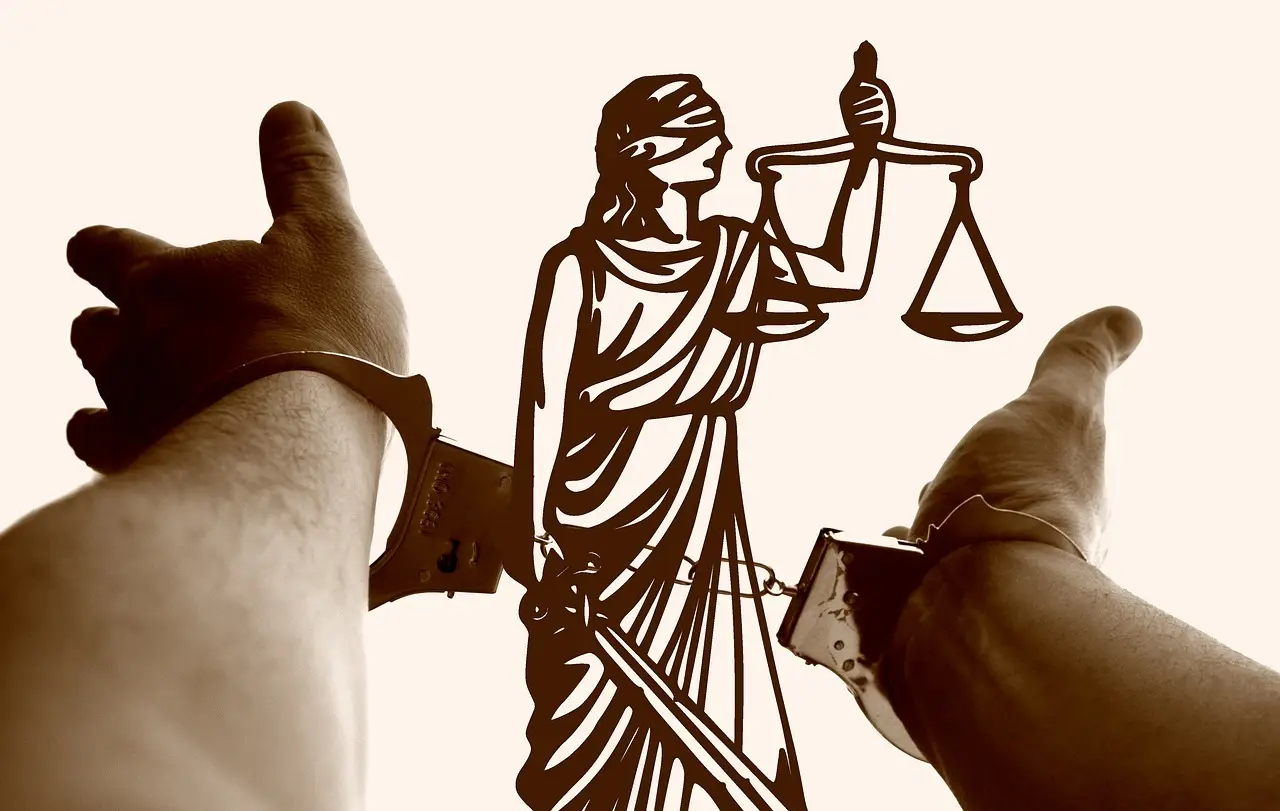
Hours after Navi Pillay won the 2026 Nobel Peace Prize, US President Donald Trump imposed sanctions on the International Criminal Court. The timing was not subtle. A ceremony meant to honor the rule of law became the occasion for an assault upon it.
The White House and State Department announced the measures on 20 October 2026, days after the Norwegian Nobel Committee recognized the South African human rights lawyer. Pillay's credentials are unusually deep for a laureate: she chaired the UN commission of inquiry that found, in September 2025, that Israel had committed genocide in the Gaza Strip, and she served five years as a judge at the ICC in The Hague.
The Nobel Committee's citation, as reported at the prize announcement, honored her work as a human rights pioneer. Trump's response followed within hours. The State Department release, titled "Imposing Sanctions on the International Criminal Court," formalized the measures against the court on which Pillay once sat.
What did the commission actually find?
The UN commission of inquiry, chaired by Pillay, concluded in September 2025 that Israel had committed genocide in Gaza. The finding carried the weight of a formal UN investigative body, though it did not itself trigger prosecutions. That is the ICC's jurisdiction, and Pillay knew that machinery well from her five years on its bench.
The commission's report and the Nobel citation together formed the backdrop to Washington's decision. The sanctions, announced through the State Department on the same day as the prize announcement, target the institution rather than any individual case. No exemption, carve-out, or sunset clause appears in the published release.
Why does the timing matter?
Kenneth Roth, the Guardian US columnist, former executive director of Human Rights Watch and author of Righting Wrongs, put the point directly: Trump "chose a moment for celebrating the rule of law to try to undermine it."
Roth's column, published on 20 October 2026, argues that the sanctions form part of a broader pattern — what he calls Trump's "assault on the international criminal court" — and urges readers to "stand up for international law." The piece contends that the measure can be resisted, though the published excerpt does not specify the mechanisms.
The sequence is the story. A jurist is honored for findings that implicated a US ally; the court she served is sanctioned the same day. Diplomats will read the message without difficulty.
What does this mean for practitioners?
For lawyers engaged with ICC matters, the sanctions introduce immediate practical risk. Any US person or entity providing services, funding, or assistance to the court may face exposure under the sanctions framework, complicating counsel arrangements, expert engagement, and evidence transfer involving American parties. Cases touching Israel or Gaza now proceed under the shadow of financial penalties aimed at the institution itself. Practitioners advising NGOs, academic partners, and litigation funders with US nexus should treat ICC-related work as requiring sanctions screening. The court's docket continues; its American support network does not.
Who is Navi Pillay?
A South African lawyer, Pillay built her career on human rights advocacy before ascending to international benches. Her five-year term at the ICC followed earlier judicial service, and her chairmanship of the Gaza commission placed her at the center of the most consequential legal finding of the conflict. The Nobel Committee's 2026 prize citation, according to the prize announcement, recognized that body of work.
Roth notes that many observers applauded the award. Trump's response, by contrast, arrived within hours and by sanctions instrument.
The wider stakes
The clash pits a permanent member of the UN Security Council against the world's only permanent criminal court. Pillay's genocide finding, delivered through a UN commission, remains non-binding but politically explosive. The sanctions convert that political friction into legal and financial pressure on judges and staff.
Roth's framing is blunt: this is an assault that can be stopped, and international law's defenders now bear the burden of proving it. The Nobel Committee honored one jurist. Washington penalized her former court. The juxtaposition requires no editorial assistance.
The takeaway in plain words: the United States has sanctioned the ICC in direct response to work its former judge was honored for, and the practical fallout for anyone in the court's orbit begins now.
via aljazeera.com (Original)
More from Amara Osei
Show full bio
Senior reporter covering people, launches and day-to-day practice in International law and legal practice at Global Law Wire.
275 articles
Also before the court
- South African ICJ Judge Navi Pillay Wins 2026 Nobel Peace Prize
- Navi Pillay Awarded Nobel Peace Prize for War Crimes Work
- Nobel Peace Prize Awarded to Navi Pillay of International Court of Justice
- ICJ Judge Navi Pillay Wins 2026 Nobel Peace Prize for International Law Work
- ICJ Sets 2027 Deadline for South Africa's Reply in Genocide Case