Law report No. GLW-1296 · filed October 17, 2026
Courts & TribunalsReported case
US Judge Blocks Trump Bid to Penalize ICC Probe Aiders
A US federal judge has blocked the Trump administration's effort to penalize organizations assisting the International Criminal Court's Gaza investigation, Roya News reports.
By Priya Raman2 min read432 words
Holding
- A US judge has blocked a Trump administration effort to penalize groups aiding the ICC Gaza probe
- The ruling was reported by Roya News on Friday
- The blocked measure targeted organizations cooperating with the International Criminal Court's Gaza investigation
- The court's identity, case reference and order type remain unspecified in the report
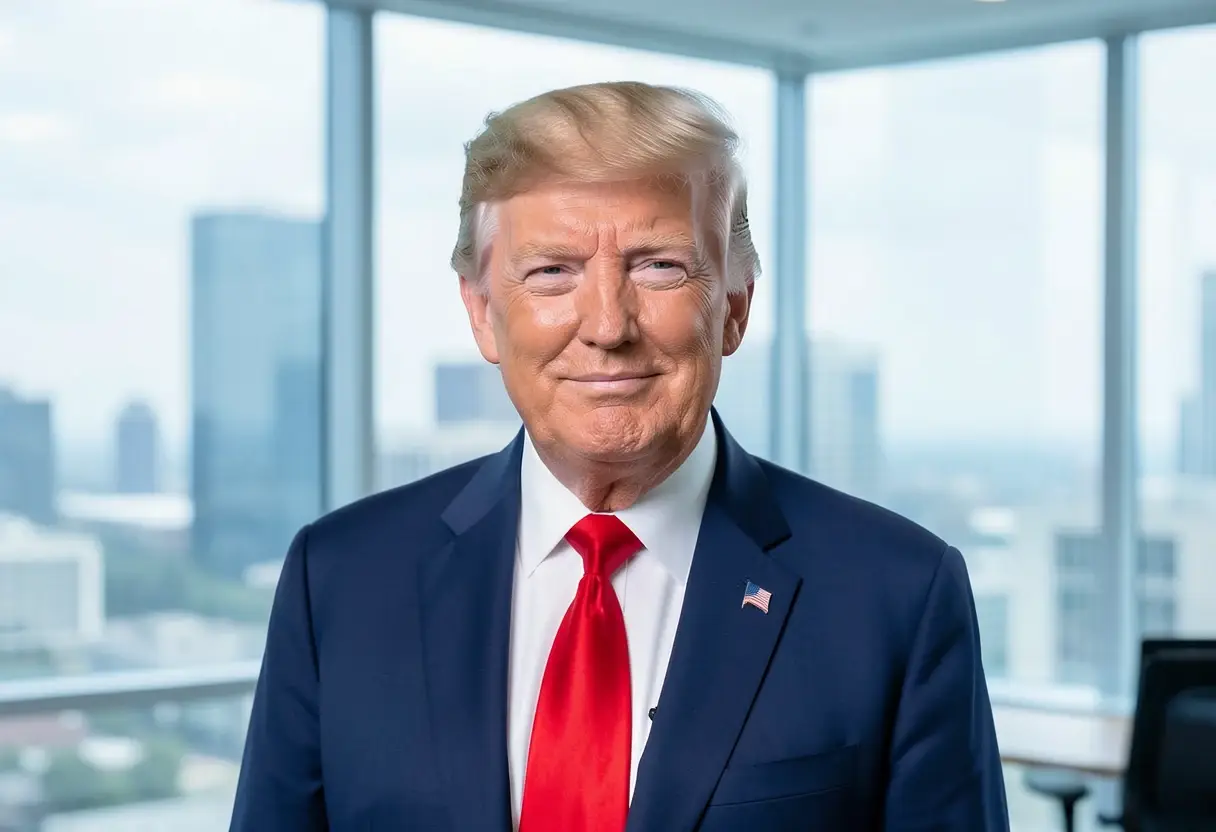
A United States federal judge has blocked the Trump administration's effort to penalize organizations that assist the International Criminal Court's Gaza probe, according to Roya News.
The ruling, reported on Friday, stops — at least for now — a mechanism by which the US government sought to pressure aid groups, legal organizations and other entities cooperating with the ICC's investigation into events in Gaza.
What do we actually know?
The source material is thin. The headline and report confirm three facts: a US judge issued the block; the target was a Trump-era effort; the penalized conduct was assistance to the ICC's Gaza investigation.
What the report does not specify matters just as much:
- The name of the issuing court and the district in which it sits
- The case number, filing date, or the identity of the plaintiffs who brought the challenge
- The precise legal instrument at issue — executive order, sanction designation, or funding condition
- Whether the ruling is a preliminary injunction, a temporary restraining order, or a final judgment on the merits
Each of those gaps changes the practical analysis. A temporary restraining order expires in days. A merits judgment binds until reversed. Practitioners cannot advise clients on durability without knowing which one this is.
Why the ICC angle matters
The International Criminal Court has pursued an investigation touching Gaza, and its jurisdiction over the matter remains contested by the United States, which is not a party to the Rome Statute. Against that backdrop, the reported effort to penalize third-party assistance represented an attempt to raise the cost of cooperation with the court — through means short of formal withdrawal from a treaty Washington never joined.
The judge's intervention, if it stands, removes that cost, at least temporarily. Organizations that provide legal, documentary, or forensic support to the court's work would face no US-imposed penalty during the block. Whether that protection survives appeal is another question. The report is silent on the government's response.
What follows for practitioners?
For compliance teams at NGOs, law firms and funders, the immediate consequence is a pause, not a resolution. Any client that halted ICC-related work in anticipation of penalties now faces a decision: resume, or wait for the appellate picture to clarify. The conservative answer is to wait. The block's scope, duration and survivability all remain unreported.
Takeaway in plain words: a US judge has stopped, for now, the attempt to punish those helping the ICC's Gaza investigation — but the story leaves the court's name, the order's type and the path forward unstated.
via GN International Courts (Source)
More from Priya Raman
Show full bio
Staff writer covering companies, deals and strategy in International law and legal practice at Global Law Wire.
270 articles
Also before the court
- US Court Blocks Sanctions on Groups Aiding ICC Gaza Probe
- Federal Judge Blocks US Sanctions on Rights Groups Aiding ICC
- U.S. Court Blocks Enforcement of ICC Sanctions on Advocacy Groups
- US Judge Blocks Sanctions on Rights Groups Aiding ICC Gaza Inquiry
- ICC Deputy Prosecutor Says Court Can Withstand US Sanctions