Law report · filed November 22, 2026
Antitrust & CompetitionReported case
New Jersey Sues Amazon in First State Monopsony Case Over Driver Pay
New Jersey AG Jennifer Davenport filed the first state monopsony suit against Amazon in August 2026, seeking structural relief that could remake its 14,000-job delivery contractor network.
By Marcus Bennett4 min read701 words
Holding
- New Jersey AG Jennifer Davenport filed the suit on August 4, 2026 — the first monopsony case brought by a U.S. state.
- Amazon delivered more parcels than FedEx or UPS in 2025 while collecting less than half the revenue per parcel.
- The Labor Department projects about 152,700 delivery driver openings annually through 2035.
- Amazon says DSP drivers will average nearly $24 an hour in 2027, over $2 above the federal median for light-truck drivers.
- NYC's Delivery Protection Act would effectively end Amazon's program covering 40+ local small businesses.
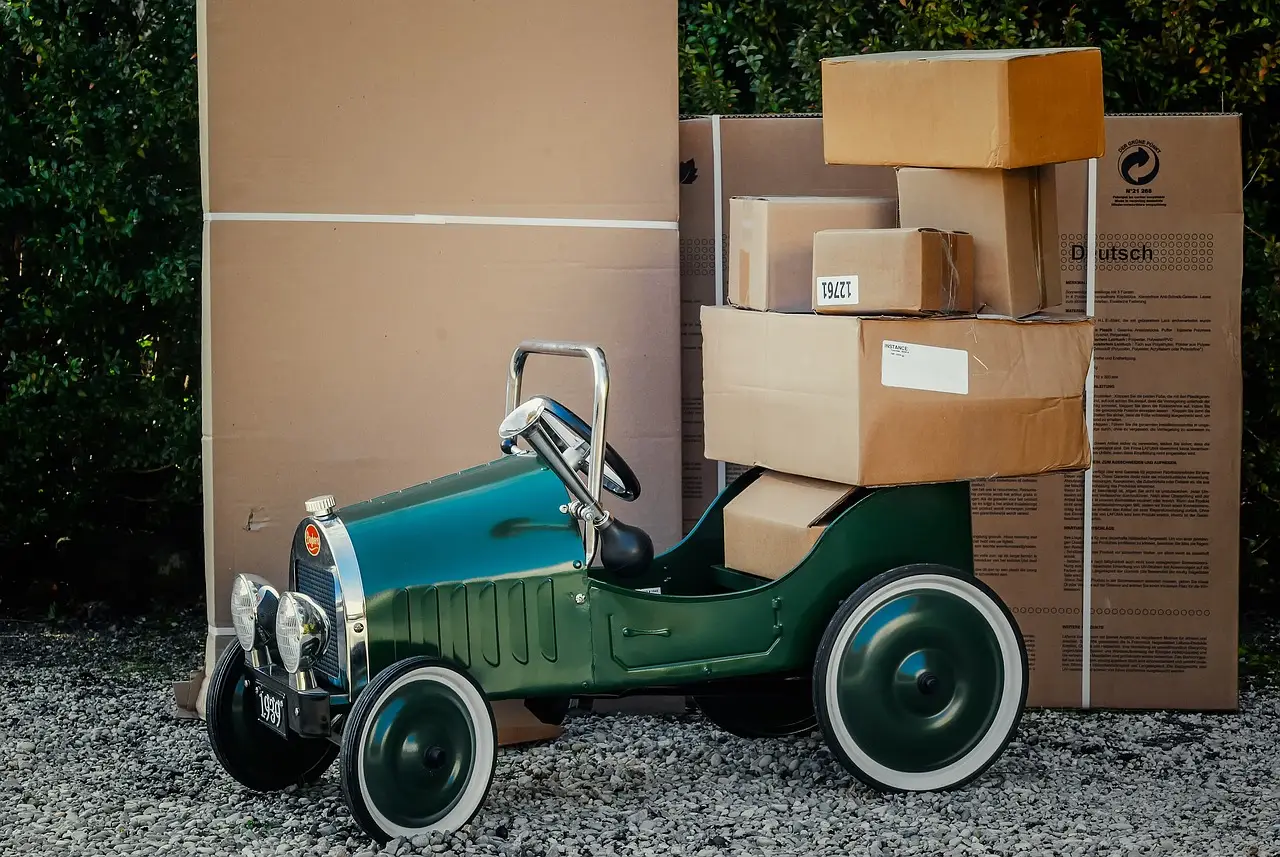
New Jersey filed suit against Amazon on August 4, 2026, in what state Attorney General Jennifer Davenport's office calls the first monopsony case ever brought by a U.S. state. The complaint, filed in August by Davenport, accuses Amazon of suppressing delivery drivers' pay by discouraging its contracted delivery companies from recruiting one another's drivers, and it demands unspecified "structural relief" that could remake Amazon's entire network of small delivery contractors.
The stakes are large. Amazon delivered more parcels than FedEx or UPS last year while collecting less than half as much revenue per parcel as either carrier, according to ShipMatrix data. Its network of delivery service partners, known as DSPs, handles the last mile — the route from local warehouse to customer porch. New Jersey's own complaint calls that final stretch "one of the most complex aspects of supply-chain management."
What does the state allege?
Davenport argues Amazon suppresses wages through a novel distribution system. Amazon supplies the routing software and partners with local companies that hire drivers directly. New Jersey contends this creates a labor market of Amazon's own making, in which the online retailer functions as a dominant buyer of delivery labor.
The state's market definition excludes major delivery employers such as FedEx, UPS and the USPS, effectively treating Amazon as a monopsonist by definition. A true monopsony exists when a buyer is so dominant that sellers — here, drivers — have few if any alternatives.
Do drivers really lack alternatives?
New Jersey argues FedEx and UPS should not count as competitors because they do not hire enough drivers, or hire them fast enough, for Amazon drivers to switch jobs reliably. But job-switching friction exists in every industry and does not itself establish monopsony power.
The broader evidence points the other way:
- The Labor Department projects about 152,700 delivery driver openings every year through 2035.
- Those jobs typically require a high school diploma, a clean driving record and roughly a month of on-the-job training, according to the Labor Department.
- Amazon's DSPs compete vigorously against each other for drivers. New Jersey's own complaint describes contractors "poaching drivers with better terms," and quotes one owner asking Amazon to stop rivals "from poaching my drivers."
- Amazon says its contractors' drivers will average nearly $24 an hour next year, more than $2 per hour above the Labor Department's median wage for light-truck drivers.
What remedies does the state seek?
The complaint asks for treble damages, punitive damages, "the maximum civil penalties" and a corporate monitor paid for by Amazon. The most consequential request is structural relief, which could reorganize the network into fewer, larger contractors — a change critics say would likely raise delivery costs and slow service.
Other counts target conduct that antitrust scholars say sits outside competition law. The state accuses Amazon of discouraging driver unionization, a labor dispute ordinarily reserved for the National Labor Relations Board. Davenport also objects to Amazon's preference for small contractors because, as an internal document allegedly puts it, they lack "the scale to dictate terms." Keeping production costs low and reducing service-disruption risk, however, directly benefits consumers.
What is New York City doing?
Mayor Zohran Mamdani's Delivery Protection Act, backed in August, would go further. The bill would require Amazon to hire its contractors' drivers directly, effectively shutting down the more than 40 local small businesses Amazon partners with in the city. Amazon began warning New York shoppers this week that the bill could add as much as $5 to each order.
What does the case mean for practitioners?
For antitrust lawyers, the suit tests how far a state can stretch monopsony theory by defining a labor market around a single firm's contractor network. If New Jersey's narrowed market survives a motion to dismiss, companies operating franchise-like logistics models face a template for copycat litigation. Amazon's DSP network supports at least 14,000 jobs in New Jersey alone, and the company has made same-day delivery routine. A labor monopsonist suppresses wages and hires fewer workers; Amazon's critics and defenders will spend the coming litigation arguing over which of those trends the data actually shows.
via reason.com (Source)
More from Marcus Bennett
Show full bio
Market editor covering regulation, policy and their impact on International law and legal practice at Global Law Wire.
374 articles
Also before the court
- Shein to Pay $100 Million in FTC Settlement Over Deceptive Practices
- Passengers Sue Seven Airlines Over Alleged Price-Sharing Pact
- Supreme Court Divided on Agency Power to Fine: Sun Valley Orchards Case
- Apple Wins Transfer of Rave Antitrust Suit to California Federal Court
- Judge Refuses to Halt NYC's Five City-Run Supermarkets