Law report No. GLW-2223 · filed November 5, 2026
Antitrust & CompetitionReported case
Passengers Sue Seven Airlines Over Alleged Price-Sharing Pact
Seven airlines, ATPCO and 3Victors face a proposed antitrust class action in Washington federal court over alleged real-time price-data sharing that inflated domestic fares.
By Sophie Lindqvist3 min read604 words
Holding
- Suit filed Wednesday in U.S. District Court for the Western District of Washington against 7 airlines, ATPCO and 3Victors
- Plaintiffs target the Iris data aggregator and PriceEye monitoring tool under a 'give-to-get' model
- ATPCO formed its dynamic pricing working group in 2016 and acquired 3Victors in 2023
- Steve W. Berman of Hagens Berman seeks class status for domestic ticket purchasers, an injunction and damages
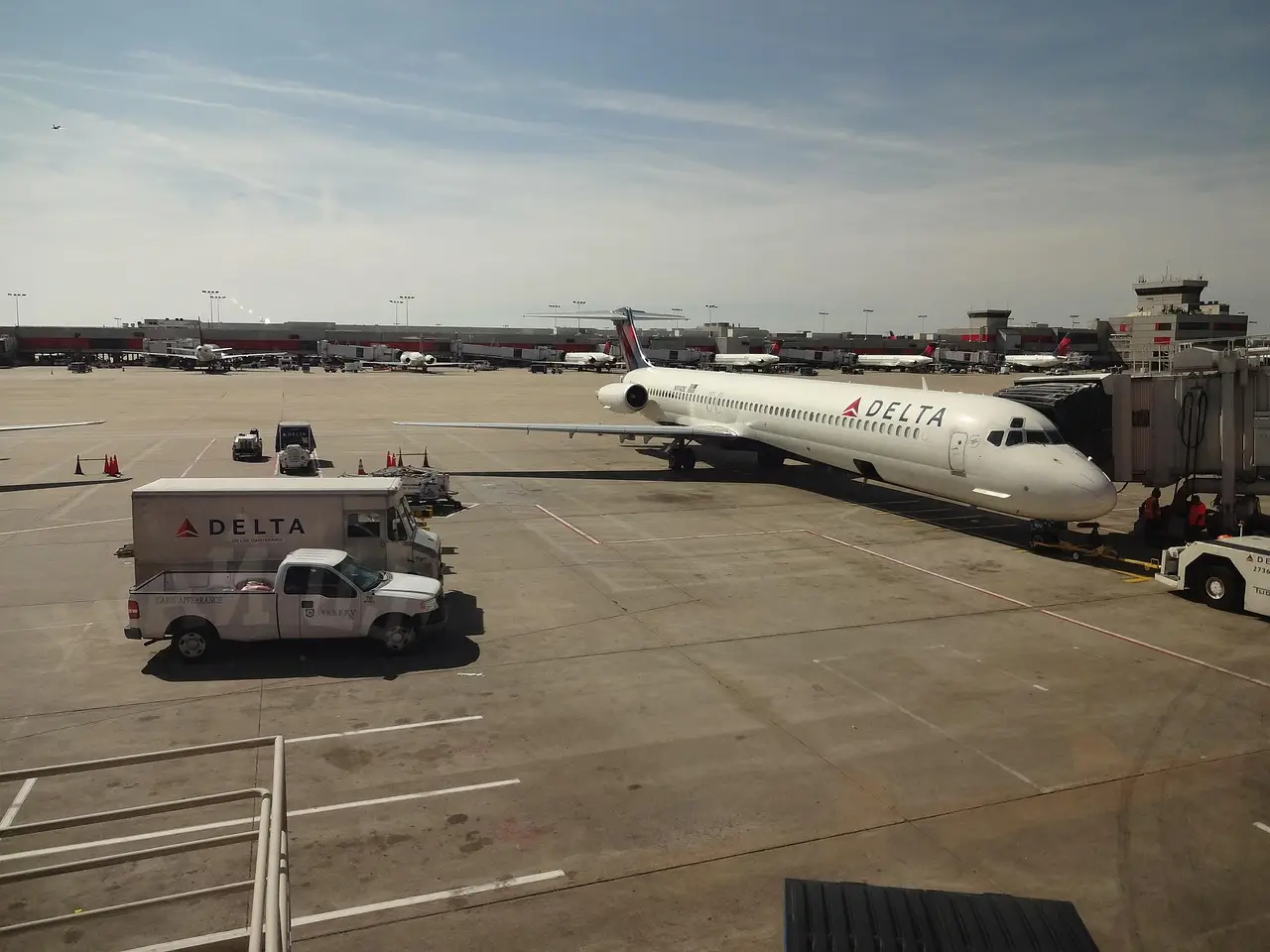
Seven major U.S. airlines face a proposed antitrust class action over claims they used a shared database to monitor each other's prices, curb competition and inflate domestic fares. Ashley Ward and Gregory Morris filed the suit on Wednesday in the U.S. District Court for the Western District of Washington. They sue under federal antitrust law (the body of U.S. rules banning agreements that restrain trade).
Who is accused, and of what?
The airline defendants are American, Delta, United, Southwest, Alaska, Hawaiian and JetBlue. The suit also names Airline Tariff Publishing Company (ATPCO) and its subsidiary 3Victors. Ward bought tickets from Southwest. Morris purchased flights from United. Both say they paid artificially inflated fares as a result of the alleged conspiracy.
The heart of the case is a data exchange. Airlines contributed confidential shopping data and dynamically generated prices to Iris, a pricing data aggregator run by 3Victors. In return, they got access to PriceEye, an analytics tool. PriceEye shows pricing alerts, competitive benchmarks and tools that flag unusual changes. It lets airlines track rivals' fares in near real time.
The plaintiffs describe the structure as a "give-to-get" model. "Participation in Iris is based on a simple principle: the more you contribute, the more you receive," they say in the complaint.
What does the complaint say about the pricing mechanism?
Dynamic pricing was supposed to bring secrecy to ticket sales. Airlines could tailor individualized offers and compete for specific customers. Ward and Morris argue that secrecy dies when airlines share those offers with competitors. If rivals see a price cut instantly, matching it costs nothing — and cutting prices in the first place loses its appeal.
The plaintiffs quote 3Victors' own marketing. PriceEye, the company advertises, lets airlines "confidently monitor the competitive landscape and adjust pricing strategies as markets shift — hour by hour, not day by day."
Think of it like a poker game where every player can see everyone else's cards in real time, and folding is instant.
How did the system develop?
The complaint traces the arrangement to 2016. That year, ATPCO formed a working group to study dynamic pricing. A study presented at an industry conference in 2017 showed what happens without shared data: airlines that cannot monitor one another's private offers can trigger price wars, driving fares down.
ATPCO then moved to change that. It built a system to standardize dynamic pricing data and began collecting airlines' shopping information. In 2023, it announced a program letting airlines analyze collective shopping data. Later that year, it acquired 3Victors. By 2025 and 2026, the plaintiffs say, ATPCO had folded the technology into Iris and PriceEye, creating a channel for exchanging and analyzing sensitive pricing information across participating carriers.
What do the plaintiffs want?
Steve W. Berman of Hagens Berman represents Ward and Morris. They seek to represent classes of domestic airline ticket purchasers. Their asks are straightforward:
- An injunction blocking the information-sharing arrangement
- Damages for purchasers who allegedly overpaid
Why does this matter for practitioners?
The case tests how antitrust law applies to algorithmic data-sharing platforms. Plaintiffs will need to show an agreement, not just parallel use of a common tool — the classic hub-and-spoke theory (where competitors each strike matching deals with a central coordinator). If the court lets the claim proceed, similar aggregator arrangements in other industries could draw copycat suits. Defendants will likely argue that transparency tools are standard practice and benefit consumers. Early motion practice should focus on whether the "give-to-get" structure evidences concerted action. The case is at the complaint stage. No allegations have been proven.
via Courthouse News (Source)
More from Sophie Lindqvist
Show full bio
News editor covering people, launches and day-to-day practice in International law and legal practice at Global Law Wire.
271 articles
Also before the court
- Casino Ruling Puts New Algorithmic Spin on Old Antitrust Law
- US Appeals Panel Flags Antitrust Risk in Data-Product Bundling
- Jury Finds Live Nation Illegally Monopolized Ticketing Market
- Live Nation Verdict Stokes Ticketmaster Breakup Fears
- Booking Holdings Loses Almost 4% After Antitrust Ruling Blocks Deal