Law report No. GLW-7504 · filed November 17, 2026
Antitrust & CompetitionReported case
UK Tribunal Tosses $2.6 Billion PlayStation Overcharging Claim
The Competition Appeal Tribunal dismissed a collective claim seeking up to £1.97 billion for 12.2 million UK PlayStation digital buyers, ruling console-level competition keeps prices in check.
By Amara Osei4 min read702 words
Holding
- On 11 November 2025-style Tuesday ruling, the Competition Appeal Tribunal dismissed a claim for 12.2 million UK consumers seeking £1.49 billion, rising to £1.97 billion with interest.
- The tribunal held that competition between console systems, including PlayStation and Xbox, effectively regulates PlayStation Store pricing.
- Alex Neill Class Representative Limited filed the claim in August 2022 and won collective proceedings certification in November 2023.
- The claimants alleged rival digital stores would have cut game and add-on prices by about 20%; the tribunal found the projection rested on assumptions the evidence did not support.
- A costs hearing and permission-to-appeal applications are scheduled for the week of 14 December.
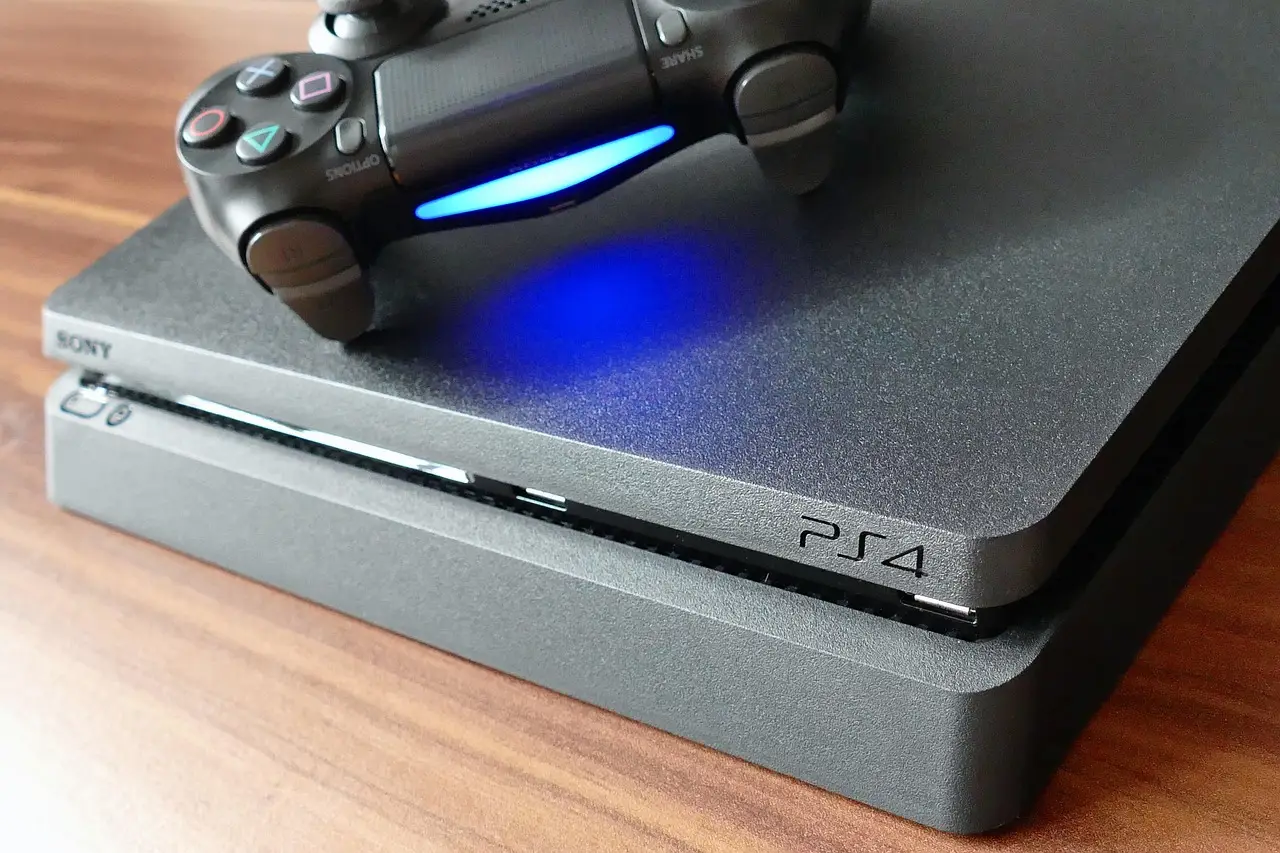
The Competition Appeal Tribunal on Tuesday dismissed, in full, a collective claim worth up to £1.97 billion ($2.6 billion) brought on behalf of roughly 12.2 million UK consumers who bought digital PlayStation content, ruling that competition between console systems effectively disciplines Sony's store pricing.
Alex Neill Class Representative Limited, led by consumer advocate Alex Neill, filed suit in August 2022. It challenged the contractual and technical restrictions that stop rival digital stores from serving PlayStation users, arguing Sony's closed checkout kept prices artificially high. It sought £1.49 billion in compensation, rising to £1.97 billion with interest. That sum works out to an average of roughly £120 to £160 per affected consumer before costs.
The claim survived early skirmishes. In November 2023, the claimant company secured permission to proceed collectively and defeated Sony's attempts to strike out parts of the case without trial. This week, the winning run ended.
Why did the claim fail?
The tribunal found Sony's digital storefront could not be assessed in isolation. PlayStation owners buying games on disc can shop among competing retailers; download the same game, and Sony controls the checkout, setting retail prices and typically targeting a margin of about 30%. That asymmetry, however, did not decide the case.
Physical discs were likely substitutes for downloads, the tribunal held. Players could also use other devices or buy certain content through another platform. Competition for the next console purchase mattered too: shoppers weighed game prices when choosing a machine, and Sony's own research warned that higher prices could push customers toward Xbox despite the cost and inconvenience of switching.
"We therefore conclude that competition and rivalry at the system level do provide an effective means to regulate pricing and competitive conduct in the aftermarket," the tribunal wrote.
The claimant had offered no alternative case built on that broader market. Once the tribunal rejected its proposed market boundaries, the claim could not succeed.
What about the alleged 20% overcharge?
Neill's company said competing digital stores would have made games and add-ons — extra levels, in-game items, virtual currencies — about 20% cheaper. The tribunal was unmoved.
The projected savings rested heavily on theoretical assumptions that did not survive the evidence. A viable rival store would still face charges compensating Sony for access to its system, leaving combined charges similar to Sony's existing commission.
The tribunal also rejected the claim that Sony's returns were excessive. Selling consoles cheaply and earning money later formed part of how Sony competed: it accepted low or negative profitability on hardware, then recovered its investment through games, subscriptions and other content. Measuring console-system risk by looking back at a successful product was, in the tribunal's view, the wrong test. Sony's position had been less secure when it committed the money than its later performance suggested.
Comparisons with computer game stores failed as well, because those businesses generally did not fund an equivalent integrated console system. Sony's fee on physical distribution was no better a benchmark: it paid for platform access but excluded the separate retail distribution function.
A proposed console market confined to PlayStation and Xbox also fell. The analysis had not properly accounted for the subsidy from game sales or established that other gaming options could be excluded.
What happens now?
Sony welcomed the clean sweep. "The ruling affirms Sony Interactive Entertainment's business model," Stephanie Burns, senior vice president and general counsel, said in a statement, noting the tribunal had dismissed every claim against the company. Neill's representative company did not respond to a request for comment.
For practitioners, the judgment is a caution on market definition in digital-platform collective actions: aftermarket dominance claims must survive a system-level substitutes analysis, and damages models assuming frictionless rival entry will face scrutiny where platform-access charges replicate the incumbent's commission.
A hearing in the week of 14 December will address costs and any applications for permission to appeal. Twelve million consumers walk away empty-handed, with a further legal hurdle before the claim can go anywhere at all.
In short: system-level competition can regulate aftermarket prices, and Sony's checkout stays its own.
via playstationyouoweus.co.uk (Original)
More from Amara Osei
Show full bio
Senior reporter covering people, launches and day-to-day practice in International law and legal practice at Global Law Wire.
327 articles
Also before the court
- Mastercard and Visa Win Right to Appeal UK Merchant Fee Ruling
- Swedish Court Orders Google to Pay $1.5bn to PriceRunner
- UK Court of Appeal Overturns Ruling in Pfizer-Flynn Antitrust Case
- Google Appeals Ads-Platform Antitrust Ruling Citing Consumer Harm
- Klarna Wins $2 Billion as Stockholm Tribunal Finds Google Liable