Law report No. GLW-9053 · filed November 18, 2026
Human RightsReported case
Manila Mass Arrest: 245 Held Three Days Without Charge as Trump Visits
Philippine police have held at least 245 protesters, journalists and 19 children for three days without charge after rallies against Trump's ASEAN visit, lawyers say.
By Priya Raman3 min read655 words
Holding
- At least 245 people detained by Philippine police, held three days without charge as of the report.
- 236 arrested en route from Southern Tagalog; included 19 journalists, 29 farmers, and 19 children.
- Protests began November 15 against the 'Pax Silica' tech hub in Capas, Tarlac, which will displace hundreds.
- An estimated 6,000 people joined demonstrations despite a ban on rallies outside 'freedom parks'.
- Possible charges include illegal assembly, alarms and scandals, and disobedience to authority.
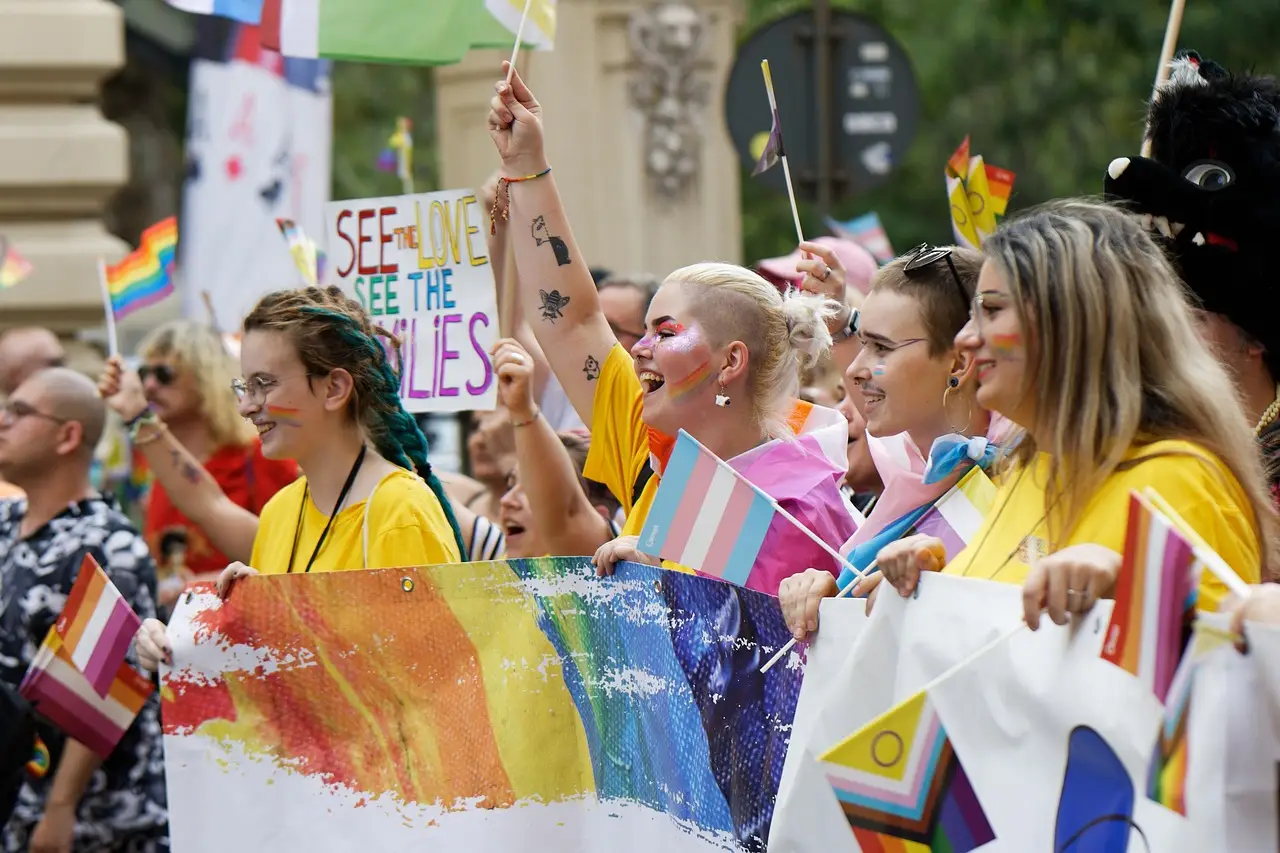
Philippine police arrested and detained at least 245 people protesting US President Donald Trump's visit to Manila for the ASEAN summit — and, three days on, not one detainee has been charged. That figure, confirmed by Human Rights Watch reporting, marks what one protest leader calls the largest mass arrest under President Ferdinand Marcos Jr.
The detentions began on November 15, 2026. Protesters had gathered to oppose the Philippine government's plan to build a technology manufacturing hub in Capas, Tarlac province, under the US government's "Pax Silica" initiative. The construction will displace hundreds of Indigenous people and small farmers from their homes and farmlands. An estimated 6,000 people joined the demonstrations.
Who was detained?
The arrests were not confined to the protest site. Police detained 236 people on the outskirts of Metro Manila as they traveled from the Southern Tagalog region toward the main rally. The detained group included:
- 29 farmers, among them members of the Indigenous Mangyan tribe;
- 19 journalists;
- 9 environmental defenders;
- 6 human rights workers;
- 19 children, according to Ephraim Cortez of the National Union of Peoples' Lawyers.
Police detained another nine protesters at the main site on November 15 for attempting to march to the ASEAN summit venue. News footage shows officers slapping and kicking a protester on the ground. The footage has not, so far, prompted any announced disciplinary action.
What do the protesters and lawyers say?
"This is the largest mass arrest we've seen under [President] Marcos," protest leader Renato Reyes told Human Rights Watch. "Our whole delegation was arrested and taken to a police camp where lawyers were not given immediate access."
That denial of immediate counsel access is not a footnote. Defense lawyers report that detainees are held inside a police camp in a hall with poor ventilation, insufficient drinking water, and inadequate restroom facilities. None of these conditions has been disputed publicly by the police.
What charges could follow?
Lawyers representing the detainees expect prosecutors to pursue criminal charges of illegal assembly, alarms and scandals, and disobedience to authority. No charges have yet been filed. The gap between arrest and charge — three days and counting — sits uneasily with Philippine constitutional guarantees against arbitrary detention.
The government has not explained, publicly or on the record, why journalists and children were swept into the operation. That silence matters.
How did police restrict the protests?
Before the demonstrations, police banned rallies everywhere except designated "freedom parks" — areas where gatherings may proceed without a permit. Roughly 6,000 people defied the restriction anyway. Critics will note that confining protest to government-approved zones, then arresting those who travel toward a rally, risks rendering the right to assemble hollow in practice. The police have not addressed that tension.
What does international law require?
International human rights law protects the right to peaceful assembly. Law enforcement may not carry out indiscriminate mass arrests even if a protest violates local laws or turns disorderly. Arrests must rest on individualized grounds and satisfy the requirements of legality, necessity, and proportionality. Police may arrest individuals responsible for specific unlawful conduct — but not people simply for taking part in a protest. Under that standard, all those arbitrarily detained for exercising basic rights should be released immediately.
Whether Philippine authorities accept that standard is the open question. As of publication, no release has been announced.
What should practitioners watch now?
Criminal defense and human rights lawyers in Manila face a compressed timeline. If prosecutors file illegal assembly charges, counsel will likely challenge the sufficiency of individualized probable cause — a difficulty when arrests numbered 245 and charges number zero. Access-to-counsel claims, conditions-of-detention documentation, and the treatment of the 19 detained children each carry separate procedural and international-law implications. The police, for their part, have yet to state their legal justification publicly.
In plain words: 245 people are in a police camp, uncharged, and the state has explained almost nothing.
via hrw.org (Source)
More from Priya Raman
Show full bio
Staff writer covering companies, deals and strategy in International law and legal practice at Global Law Wire.
334 articles
Also before the court
- US-Backed Semiconductor Hub Threatens to Displace Hundreds in Philippines
- Five Shia Residents Held Without Charge in UAE After Iran Strikes
- Thai Court Adds 32 Months to Activist's Lèse-Majesté Total
- Thousands Rally in Kosovo Against KLA War Crimes Trial
- Trump Threatens to Double Mexico Tariffs Over Migrant Caravans