Law report No. GLW-2180 · filed November 16, 2026
Human RightsReported case
Five Shia Residents Held Without Charge in UAE After Iran Strikes
HRW says the UAE has held at least five Shia foreign residents without charge since the February 28, 2026 strikes on Iran, transferring two to Abu Dhabi's al-Sadr prison.
By Priya Raman4 min read833 words
Holding
- At least five Shia foreign residents detained in the UAE between March and May 2026, none charged
- Detentions began after US-Israel strikes on Iran on February 28, 2026
- Two detainees transferred to al-Sadr prison in Abu Dhabi, confirmed September 14 and October 6
- Detainees held 2 to 40 years in the UAE; calls limited to two minutes every two weeks
- HRW previously documented similar Shia detentions and expulsions from 2009 to 2021
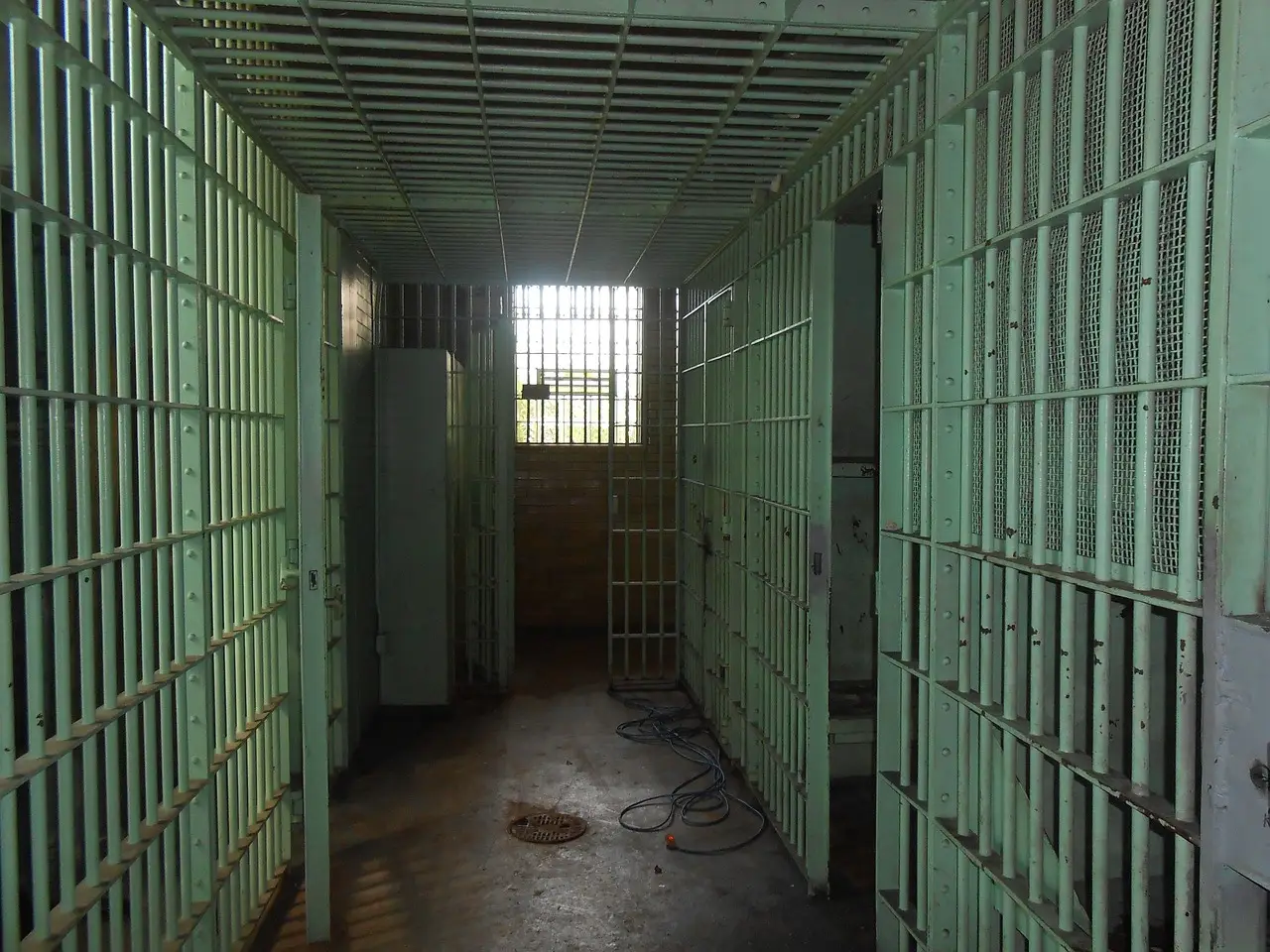
At least five Shia Muslim foreign residents have been arbitrarily detained in the United Arab Emirates since the United States and Israel struck Iran on February 28, 2026, Human Rights Watch reported from Beirut. None has been brought before a judge. None has been formally charged.
The men, who had lived in the UAE between 2 and 40 years, were detained between March and May, three informed sources told the organization. HRW found the detentions appear to rest on religious identity rather than evidence of wrongdoing.
"Emirati authorities appear to be rounding up residents simply based on their religious beliefs as Shia Muslims in a largely Sunni country rather than providing any evidence of wrongdoing, while trampling over people's due process rights," said Joey Shea, senior UAE researcher at Human Rights Watch. "The authorities should immediately release anyone targeted because of their religion."
What does the evidence show?
Between September and October, HRW interviewed the three sources and reviewed CCTV footage of a raid on a company owned by one detainee. Names are withheld for fear of reprisals.
The pattern HRW describes is consistent across cases:
- Security authorities asked at least one detainee about his religious affiliation before arrest.
- Interrogators questioned at least one family member about their religious views.
- A community figure warned at least one detainee and a relative to leave the country.
On March 23, state security arrested a 44-year-old man in Sharjah at midnight, in his car near his home, a relative said. He could not contact a lawyer or family that night. The next night, officers took him home for a search and removed money, jewelry, books, and credit cards. No charges were announced.
A mosque worker had warned the family in June 2025 to leave. The government "viewed us Shias as sleeper cells," the relative said. The same worker asked the man on March 20, 2026, whether he had "any problems with the police." He did not read it as a warning. He stayed.
HRW reviewed CCTV footage, timestamped March 24, showing two men entering the detainee's company at about 9:19 p.m. and searching offices; one appears to tamper with computer equipment. The man was held incommunicado for three days, then granted one one-minute call. He now receives two-minute calls every two weeks. Guards cut the line if he discusses his case or location. His family cannot visit. On September 14, his lawyer learned he had been moved to al-Sadr prison in Abu Dhabi, where the human rights defender Ahmed Mansour has been held since 2017 in conditions that may amount to torture.
How were the others detained?
On April 22, state security arrested a 38-year-old Shia foreign national at a money transfer office in Sharjah, seizing money, gold jewelry, and a laptop from his home. His wife was summoned on May 29, questioned about his religious views, and released at 10 a.m. the next day. He is now permitted one brief weekly call. On October 6, authorities told his wife he too had been moved to al-Sadr prison.
Three more foreign Shia nationals were arrested between April and May. Security forces raided all three homes, confiscated passports and money, and stated no charges. During one raid, an officer asked a family member about their religion, job, and income. One detainee had earlier received a call from authorities asking about a religious issue and the names of his associates. The three men may call out every ten days, without revealing their location.
"We all left the UAE in one day," a family member said. "We wrapped up over 30 years in the UAE… We gave the UAE our hopes, dreams, and children, then they betrayed us like this. We sang their national anthem in schools. We loved this country and it betrayed us."
What is the wider context?
The detentions follow a broader squeeze. HRW has previously documented arbitrary detentions, forcible disappearances, and expulsions of Shia residents between 2009 and 2021. Reuters reported thousands of Pakistani Shia residents deported from Gulf Arab states since February 28; Emirati authorities have also revoked visas of Iranian families and banned Iranian nationals from transiting the UAE.
After Iran retaliated against Israel and Gulf states, launching thousands of drones and missiles with the largest number striking the UAE, HRW and Amnesty International found Gulf governments intensified restrictions on expression, association, and assembly.
Under international law, wartime security measures must be lawful, necessary, proportionate, and nondiscriminatory; detention based on religion, without charge or access to counsel, is never justified, HRW said.
"Emirati authorities should not treat the Shia community as a security threat in response to Iran's unlawful strikes on the UAE," Shea said. The report documents demands, not court rulings; no judicial body has ruled on the detentions, and the UAE government has not publicly responded to the allegations.
In plain words: five men are in prison, no charges exist, and their families have left the country.
via hrw.org (Source)
More from Priya Raman
Show full bio
Staff writer covering companies, deals and strategy in International law and legal practice at Global Law Wire.
324 articles
Also before the court
- US Indictment Names Mohammed Ali al-Hassani as RAF Fairford Handler
- Hamas-Linked Birmingham Knife Attacker Faces Extradition to Germany
- Two Iranian Men Convicted at Woolwich Crown Court of Spying on UK Barrister
- European Court Awards Damages Over Prolonged Detention
- Why Iran's 'Architects of Atrocities' Escape Trial