Law report No. GLW-9428 · filed November 11, 2026
Regulation & EnforcementReported case
Madrid's Olive Oil Freeze Leaves Balearics Facing Empty Shelves
Spain froze 12% of olive oil production on November 6, and Balearic producers now face months off the market, with fines up to 500,000 euros and stock unsellable until October 2027.
By Amara Osei3 min read629 words
Holding
- Spain's consumer affairs ministry ordered a 12% freeze of all olive oil production on November 6.
- Frozen stock cannot be sold until October 1, 2027; fines for non-compliance reach 500,000 euros.
- Balearic average production is around 600 tonnes per year against a national harvest forecast above 1.6 million tonnes.
- Extra virgin olive oil keeps for a maximum of 18 months; virgin oil is unfit for direct consumption within a year.
- The Balearic Government will appeal and seek an exemption for the islands.
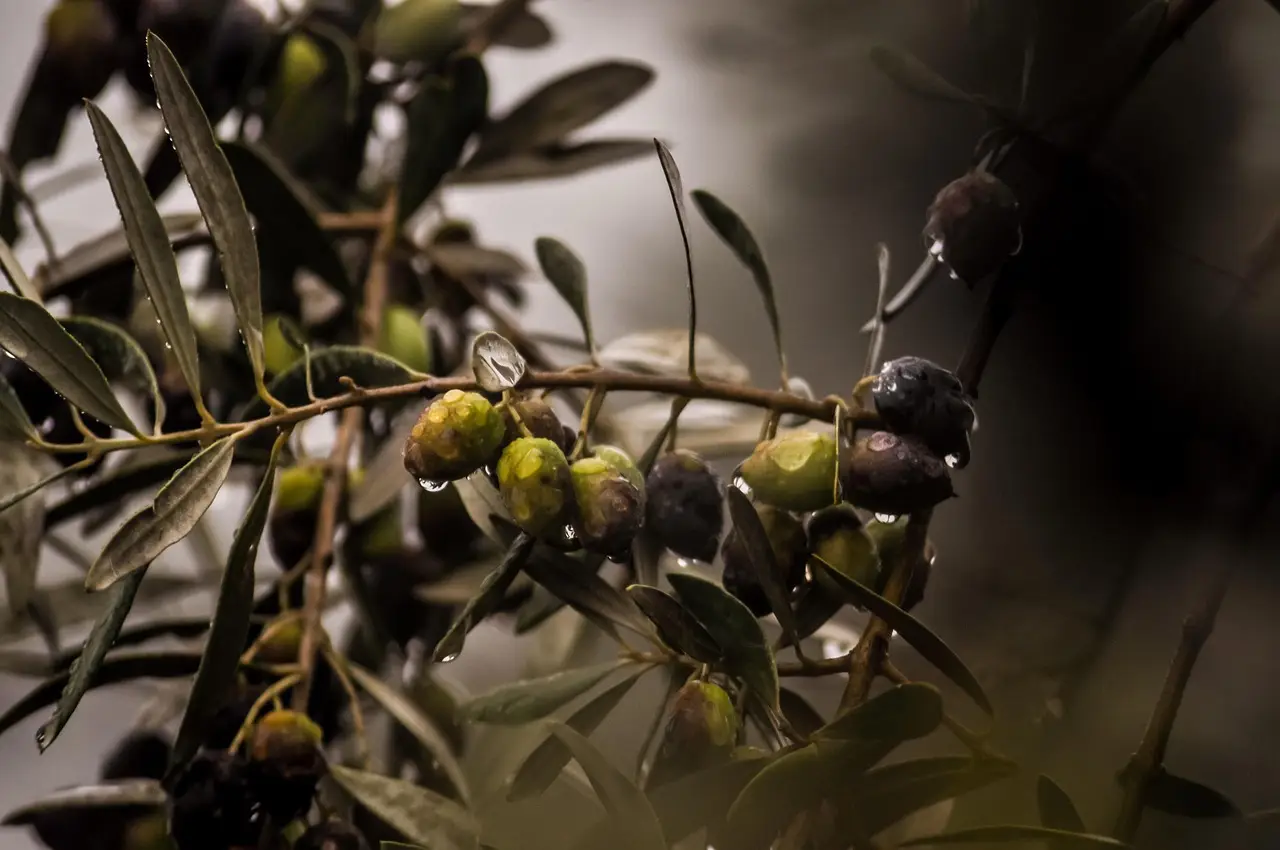
Spain's consumer affairs ministry has ordered a 12% freeze on all olive oil production nationwide, and the Balearic Islands now face months without locally produced oil on the market. The order, issued on November 6, requires producers to withhold a fixed share of output from sale until October 1, 2027, when the 2026/2027 harvest season ends. Compliance is enforced with teeth: fines reach 500,000 euros.
The ministry's reasoning is arithmetic, not sentiment. A record-breaking harvest season across Spain could push olive oil prices down, and the freeze is designed to prop them up by restricting supply. Spain's national harvest is forecast to exceed 1.6 million tonnes this season. The Balearics, by comparison, produce roughly 600 tonnes per year on average over the last five years — about one four-hundredth of the national figure. The islands got the same rule anyway.
What does the freeze require?
The mechanics are simple. Producers must hold back stock equivalent to 12% of production. That stock cannot be offered for sale until October 1, 2027. Non-compliance carries financial penalties of up to 500,000 euros per producer.
Joan Mayol, president of the DO Oli de Mallorca, has warned that the measure could leave the Balearics without local olive oil on the market for months. He was not consulted in advance, and neither, it appears, was anyone else in the sector. The move caught producers by surprise.
Why are the Balearics appealing?
The Balearic Government intends to lodge an appeal against the ministry's order and hopes to secure an exemption for the islands. The regional agriculture ministry argues that three factors demand special treatment: the islands' geographical isolation, their low volume of production, and the specific characteristics of the Balearic olive oil sector.
The numbers support the argument for special treatment. A sector producing around 600 tonnes annually against a national harvest above 1.6 million tonnes is, in the regional government's words, "a very small figure compared with the national total." Applying a uniform 12% freeze to a market that small produces distortions that Madrid's arithmetic never anticipated.
What is the practical problem for mills?
The clock is the enemy. Extra virgin olive oil remains in optimal condition for a maximum of 18 months, while virgin olive oil degrades to being unfit for direct consumption within a year. That is the assessment of Miquel Gual, president of the Sant Bartomeu de Soller Cooperative.
The timeline is unforgiving. Stock frozen now cannot be sold until October 2027 — a date that sits dangerously close to, or beyond, the shelf life of oil produced this season. Oil held back under the order may not survive to reach the market legally.
The cooperative has responded in the only rational way available: it has stopped purchasing olive oil pending the outcome of the regional government's appeal. Other mills face the same calculation. Buy now and risk holding unsellable, degrading stock, or halt purchases and wait.
What happens next?
The appeal now moves forward, and the Balearic Government will press its case for exemption on grounds of isolation, low volume and sector-specific characteristics. Producers, meanwhile, weigh the risk of 500,000-euro fines against the certainty that oil left in tanks will not improve with age.
The practical consequence for practitioners advising agrifood clients in Spain is straightforward. Producers must assess their freeze obligations now, quantify exposure under the penalty regime, and — for island and small-volume operators — monitor the Balearic appeal as a potential template for further exemption claims. The order is in force today. The exemption, if it comes, will arrive later.
Madrid wanted stable prices. The Balearics got empty shelves and unsellable oil. Someone will be counting the cost of that difference for years.
via majorcadailybulletin.com (Source)
More from Amara Osei
Show full bio
Senior reporter covering people, launches and day-to-day practice in International law and legal practice at Global Law Wire.
327 articles
Also before the court
- WTO Panel Rules for Spain in Table Olive Trade Dispute
- WTO Grants EU Authorization for US Countermeasures in Olives Dispute
- UK-EU SPS deal will 'dissolve' £60m a year in plant trade costs
- Indonesia Urges EU to Drop Biodiesel Import Curbs After WTO Ruling
- Indonesia Nears Win in EU Palm Oil Fight as WTO Deadline Lapses