Law report No. GLW-7777 · filed September 29, 2026
Antitrust & CompetitionReported case
Live Nation Appeals US Antitrust Verdict as States Push Ticketmaster Sale
Live Nation appeals the US antitrust verdict against it, while a coalition of states presses the court to order a sale of Ticketmaster as the remedy.
By Amara Osei3 min read624 words
Holding
- Live Nation has filed a challenge to the US antitrust verdict decided against it
- A coalition of US states is calling for Ticketmaster to be sold as the remedy
- The appeal opens a multi-month appellate phase with significant implications for the live entertainment and ticketing sectors
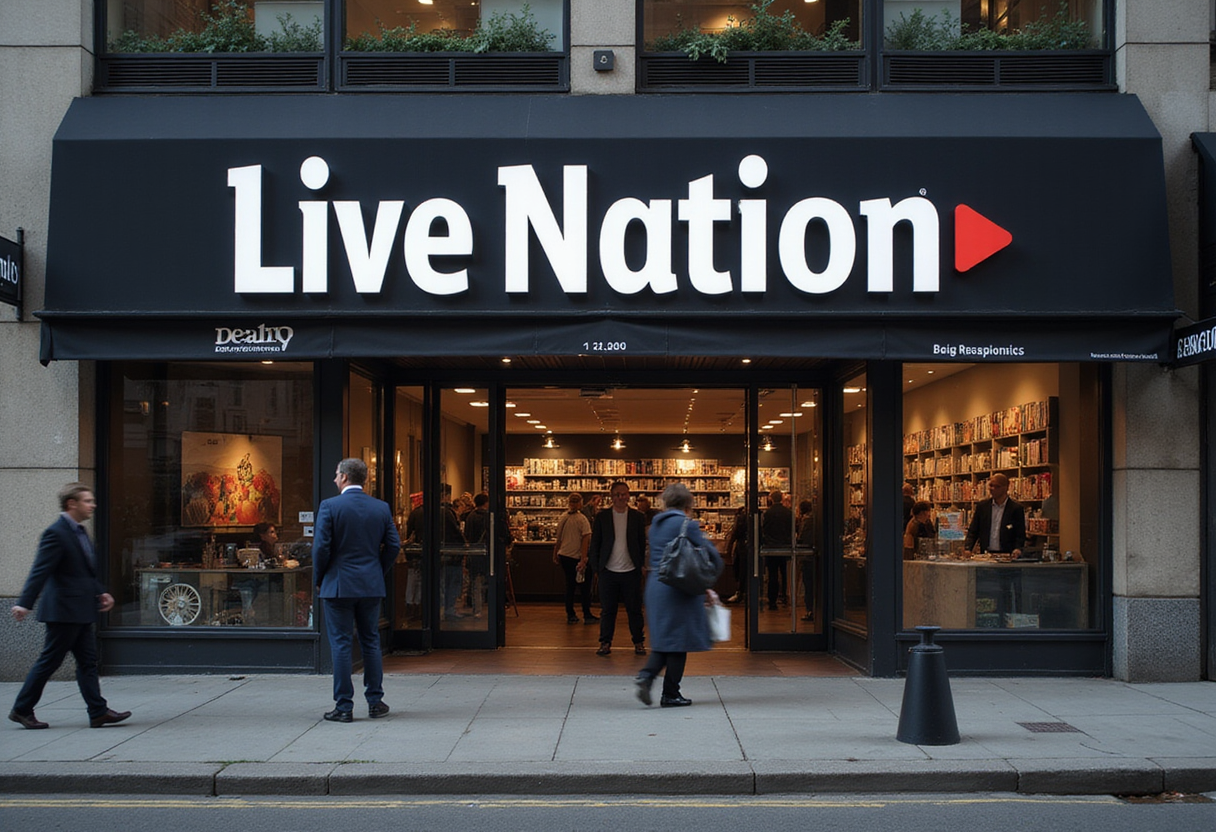
Live Nation has filed a challenge to the US antitrust verdict won against it, opening the next phase of a contest that could determine whether Ticketmaster remains part of the world's largest live entertainment company.
The company's challenge follows a decision by a US court in the landmark case brought against Live Nation and its ticketing arm. A coalition of US states involved in the litigation has responded by calling for the court to order the sale of Ticketmaster, the remedy that government enforcers have long identified as the structural fix for what they view as an unlawful tie between concert promotion and ticketing services.
At stake is the corporate architecture of an empire that spans artist promotion, venue operation, and ticketing. The states argue that structural separation — divestiture of Ticketmaster — is the only remedy that reliably prevents the conduct a court has now scrutinised under US antitrust law. Live Nation, for its part, contends that the verdict should not stand and is pursuing appellate review rather than accepting the lower court's reasoning.
For antitrust practitioners, the appeal will test several questions of continuing significance. The first is evidentiary: what a plaintiff must show to prove that vertical integration between a promoter and a ticketing platform harms competition rather than merely reflecting efficient scale. The second is remedial: whether conduct remedies, such as behavioural commitments and monitoring, can substitute for divestiture in markets where the merged entity controls multiple levels of the supply chain. The third is procedural: how much deference an appellate court owes a trial court's factual findings on market definition and market power.
Clients in the live entertainment, ticketing, and adjacent sectors — secondary ticketing platforms, independent promoters, and venue operators among them — should treat the pending appeal as a period of uncertainty rather than relief. Contracting parties may want to revisit exclusivity clauses, ticketing services agreements, and long-term venue deals that assume the current ownership structure persists. Any eventual divestiture order, if affirmed, would trigger a period of transitional arrangements likely to affect everything from software licensing to data access terms across the ticketing stack.
The states' position keeps the most aggressive remedy on the table. Their call for a Ticketmaster sale signals that they will not settle for behavioural commitments that critics of previous consent decrees characterise as difficult to police. Live Nation operates under the shadow of an earlier Department of Justice consent decree, and enforcement officials have previously accused the company of violating its terms — history that states now cite as grounds for insisting on structural relief.
Timing matters. Appeals in significant antitrust cases typically take many months to resolve, and the remedy phase in the trial court may proceed in parallel or await the appellate outcome, depending on how the courts sequence the issues. Practitioners should watch three things: the appellate filing itself and the specific legal errors Live Nation alleges; the states' remedy briefing and whether the Department of Justice formally joins the divestiture demand; and any interim orders affecting Ticketmaster's current contracts while the appeal runs.
The case has become one of the most closely watched antitrust matters of the current enforcement era, and the appeal ensures it will remain so. The core question for the appellate court will be whether the verdict against Live Nation rests on findings that survive scrutiny — and, if they do, whether breaking up the company is a proportionate and workable response.
For now, the parties hold their positions. Live Nation denies that the verdict should reshape its business. The states insist that only a sale of Ticketmaster cures the problem the court was asked to address. The next filings will reveal how each side frames the question the appellate court must ultimately answer.
via GN Antitrust (Source)
More from Amara Osei
Show full bio
Senior reporter covering industry trends and analytics at Global Law Wire.
186 articles
Also before the court
- Jury Finds Live Nation and Ticketmaster Operate as Illegal Monopoly
- Judge Sends Live Nation-Ticketmaster Antitrust Case to Trial
- Court Finds Live Nation and Ticketmaster Operate Exploitative Monopoly
- Trump Pushed DOJ Toward Settlement in Live Nation Case
- Jury Finds Live Nation Illegally Monopolized Ticketing Market