Law report No. GLW-3104 · filed October 2, 2026
Antitrust & CompetitionReported case
Jury Finds Live Nation Illegally Monopolized Ticketing Market
A U.S. jury has found Live Nation illegally monopolized the ticketing market, capping a landmark antitrust trial with major implications for remedies and appeals.
By Amara Osei3 min read684 words
Holding
- A jury found Live Nation illegally monopolized the ticketing market, NBC News reported.
- The verdict concludes the liability phase of a major U.S. antitrust trial involving the Ticketmaster parent.
- The finding opens the path to remedies, potential damages actions, and likely appellate review.
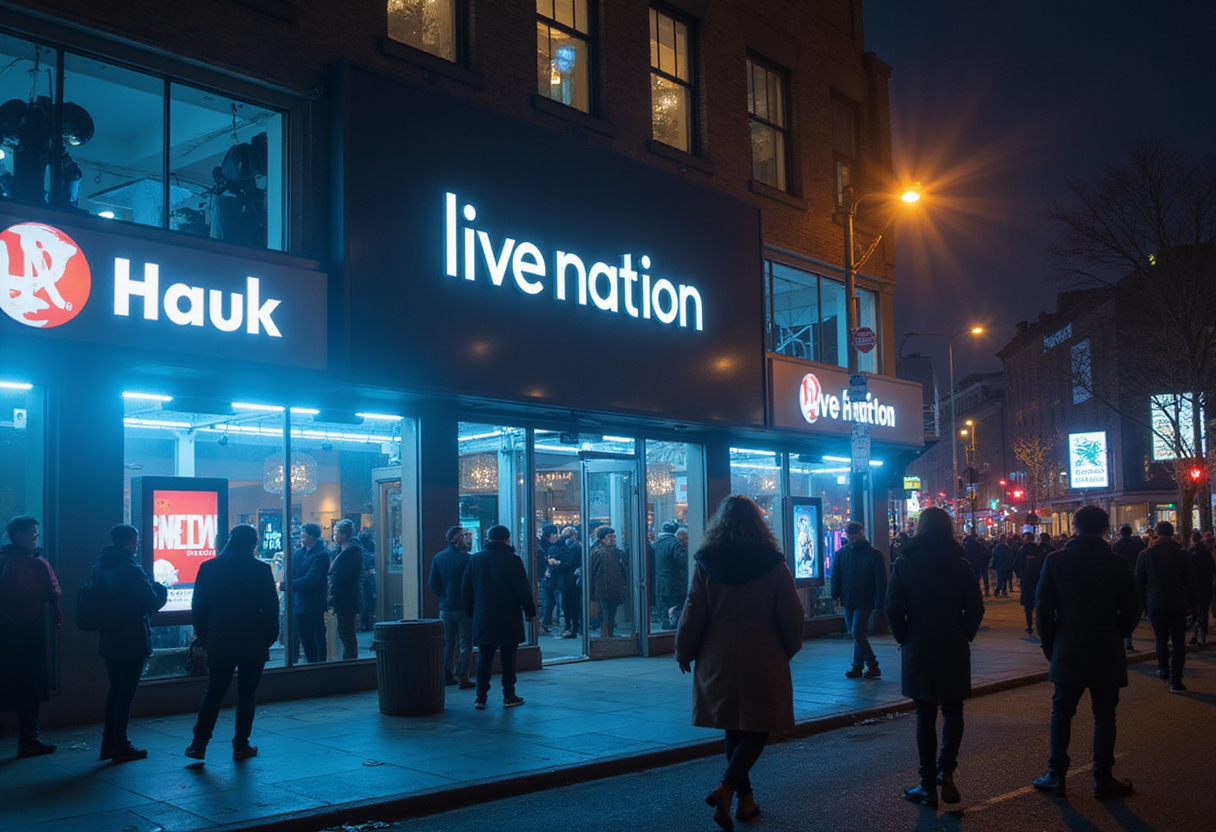
A jury has found that Live Nation illegally monopolized the ticketing market, delivering the verdict at the close of a closely watched antitrust trial, NBC News reported.
The decision marks a pivotal moment in one of the most significant antitrust proceedings to reach a courtroom in the live entertainment sector. The jury, sitting in the United States, returned the finding that Live Nation — the parent company of Ticketmaster and the world's largest live-events promoter — unlawfully monopolized the market for ticketing.
What the Jury Decided
The jury's verdict answers the central liability question in the case: whether Live Nation crossed the line from market dominance into illegal monopoly power. Antitrust law in the United States does not punish size or success on their own. It targets conduct that maintains or acquires monopoly power through exclusionary or anticompetitive means.
By finding that Live Nation illegally monopolized the ticketing market, the jury concluded that the company's conduct met that threshold. The verdict converts years of regulatory scrutiny, consumer frustration, and congressional criticism of ticketing practices into a formal adjudication of liability by a fact-finder.
Live Nation has faced sustained pressure over its market position since its 2010 merger with Ticketmaster, a deal that regulators approved at the time subject to a consent decree. That settlement required Ticketmaster to license its software to competitors and prohibited retaliatory conduct against venues that chose rival ticketers. Enforcement actions and accusations of decree violations followed in subsequent years.
The jury trial now adds a judicial finding of monopolization to that record.
Why the Case Matters
The trial put the economics of live entertainment under a legal microscope. Ticketing sits at the choke point between artists, venues, promoters, and fans. When a single operator controls a dominant share of primary ticketing, critics argue, venues have limited realistic alternatives, rivals struggle to enter, and consumers absorb the costs through fees and limited choice.
The verdict vindicates that theory of harm in a courtroom. It signals to plaintiffs, state enforcers, and federal regulators that challenges to Live Nation's conduct can succeed before a jury, not merely in settlement negotiations or consent-decree enforcement.
Consequences for Practitioners
For antitrust practitioners, the finding of illegal monopolization opens the door to the next phases of litigation. Depending on the procedural posture of the case, those phases may include injunctive relief, remedies addressing the structure of Live Nation's ticketing business, or damages proceedings in follow-on actions by private plaintiffs. Counsel advising venues, promoters, rival ticketers, and investors in the live-events space should treat the verdict as a material development: it strengthens the negotiating position of counterparties seeking alternative ticketing arrangements and increases the settlement leverage of pending claimants.
Live Nation's legal team will now assess post-trial options, which typically include motions to set aside the verdict and an appeal challenging both liability findings and any legal rulings that shaped the trial. Defense counsel will likely argue that the company's conduct reflected lawful competition and that its market share reflects superior service rather than exclusion. Appellate review could take a year or more.
For the broader market, the verdict will intensify scrutiny of vertical integration in live entertainment. Antitrust enforcers have increasingly focused on dominant platforms that control multiple levels of a supply chain, and a jury finding against the sector's largest player will inform strategy in future merger reviews and conduct investigations.
What Comes Next
The immediate consequence is liability. What follows — remedies, damages, structural relief, or a negotiated resolution — will determine the verdict's practical effect on how tickets are sold in the United States. Practitioners should watch for the court's scheduling of the remedies phase, any post-trial motions, and Live Nation's appellate filings.
The verdict also carries political weight. Lawmakers have convened hearings on ticketing practices after high-profile ticket sale controversies, and a jury finding of illegal monopolization will fuel legislative proposals aimed at the live-events industry.
For now, the decisive fact stands: a jury has spoken, and it found that Live Nation illegally monopolized the ticketing market.
via GN Antitrust (Source)
More from Amara Osei
Show full bio
Senior reporter covering industry trends and analytics at Global Law Wire.
186 articles
Also before the court
- Jury Finds Live Nation and Ticketmaster Operate as Illegal Monopoly
- Judge Sends Live Nation-Ticketmaster Antitrust Case to Trial
- Jury Finds Ticketmaster and Live Nation Held Anticompetitive Monopoly
- Jury Finds Live Nation and Ticketmaster Are an Illegal Monopoly
- Court Finds Live Nation and Ticketmaster Operate Exploitative Monopoly