Law report · filed November 24, 2026
Courts & TribunalsReported case
Kolwezi Plaintiffs Seek $6.3 Million Over Mine Pollution Claims
Twenty-seven Kolwezi residents sued Zijin's COMMUS mine and the Congo government on Nov. 3, seeking $6.3 million over alleged pollution causing birth defects, miscarriages and contaminated water.
By Amara Osei4 min read804 words
Holding
- 27 Kolwezi residents filed suit on Nov. 3 seeking $6.3 million: $1.3 million for health costs and $5 million for environmental restoration.
- PM2.5 levels in Kolwezi measured three to six times the WHO air quality guideline, peaking near the COMMUS mine, per a June study.
- Congo produces over 70% of the world's cobalt and is the second-largest copper producer.
- The mine's owner, Chinese multinational Zijin, and Congo's mining and environment ministries did not respond to requests for comment.
- A local nurse referred four babies with congenital malformations to hospitals this year alone.
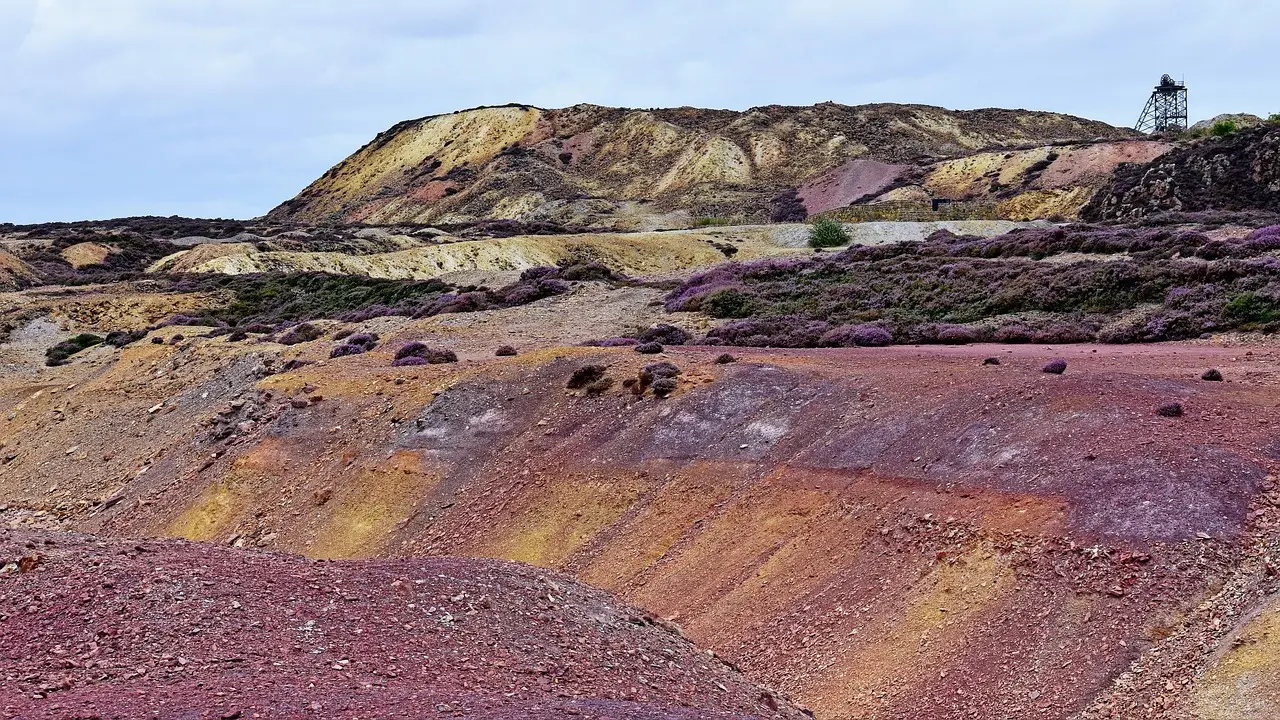
Twenty-seven residents of Kolwezi, Democratic Republic of Congo, opened a lawsuit on Nov. 3 seeking $6.3 million from the Chinese-owned COMMUS copper-cobalt mine and the Congolese state, alleging mining pollution caused miscarriages, birth defects and contaminated water across their neighborhoods.
The claimants — $1.3 million for health problems and medical expenses, plus $5 million to restore the environment — filed their case in a jurisdiction where such actions are almost unheard of. The plaintiffs accuse both the mine's owner, Chinese multinational Zijin, and the government of failing to enforce environmental regulations.
The mine at issue, COMMUS, sits in Kolwezi, a city of more than 500,000 people in Congo's southern copper belt. Congo ranks as the world's second-largest copper producer and supplies over 70% of global cobalt, the metal that powers rechargeable batteries in electric vehicles.
What do the plaintiffs allege?
The case describes a community-wide pattern of ailments: nosebleeds, skin rashes, contaminated water, miscarriages and congenital malformations, which the residents attribute to mining pollution.
One plaintiff, a mother living in a small cinderblock home beside the mine, has lost three children. Two died at birth. A third suffered repeated nosebleeds before dying. One of her two surviving children has stunted growth.
"Our children are the first victims," she said. "What we're hoping for is to see justice done."
The plaintiffs asked not to be identified by name, despite their identities appearing in public court documents, fearing retribution from the company or government. Their lawyers worry the plaintiffs could face intimidation — from officials, or from other locals — and come under pressure to withdraw their testimony.
The mother said she had no such fears. "We have a right to a clean environment," she said, "and to health."
What does the science show?
A June study by environmental research organization Source International, conducted with the advocacy groups RAID and Afrewatch and scientists from Congo's University of Lubumbashi, measured the contamination directly.
Researchers found fine particulate matter, PM2.5, at levels three to six times the World Health Organization's air quality guideline in Kolwezi. The highest concentrations appeared near the COMMUS mine. To put that in perspective: residents near the site breathe air several times more polluted than international health authorities consider safe.
These particles penetrate deep into the lungs and enter the bloodstream. Exposure endangers everyone, but pregnant women and young children face particular risk.
Dust samples also contained copper, cobalt and manganese residue, which researchers said pointed to mining waste as the main contamination source. When the study was released, Source International's executive director, Flaviano Bianchini, said the results were "among the most concerning air quality results we have documented in years of monitoring pollution at industrial mining sites around the world."
The study did not examine health impacts directly. Its authors recommended formal epidemiological research, which has not occurred.
What have health workers observed?
At a dilapidated clinic in the shadow of a waste mountain from the COMMUS mine, nurse Héritier Bukassa treats the consequences daily. People routinely break out in itchy hives. "Some sick people scratch themselves with knives to relieve itching," he said.
Bukassa reported high rates of miscarriage among local women. This year alone, he has referred four babies born with congenital malformations — mostly cleft palates — to hospitals. Respiratory illnesses are common too, especially in otherwise healthy babies who develop breathing problems weeks after birth.
"No one from the [mining] company has ever come to talk to us about this," the nurse said.
Why does this case matter beyond Kolwezi?
RAID, which supports the plaintiffs alongside Afrewatch, described the suit this month as one of "the most ambitious legal challenges yet brought by Congolese residents over industrial mining pollution." The organization frames the case as a test: a favorable outcome could open the door for communities to challenge other mines.
The stakes reach beyond Congo's borders. Last year the United States signed a sweeping economic partnership with Congo aimed at attracting American investment and challenging the dominance of Chinese companies in the country's mining industry. Yet despite the global importance of Congo's copper and cobalt, environmental pollution from the sector has received comparatively little scrutiny.
In Kolwezi, the pollution is difficult to ignore. Neighborhoods near mines carry an acrid smell that residents attribute to the sulfuric acid used to process minerals.
Zijin did not respond to emailed requests for comment. Neither did Congo's mining and environment ministries. The Cobalt Institute, an industry lobby, said understanding environmental pollution requires "an evidence-based approach that considers all potential sources and contributors," adding that companies perform environmental monitoring and carry out mitigation measures.
For now, the case proceeds. Twenty-seven plaintiffs, one mine, and a question of accountability that Congo's courts have rarely been asked to answer.
via feeds.npr.org (Source)
More from Amara Osei
Show full bio
Senior reporter covering people, launches and day-to-day practice in International law and legal practice at Global Law Wire.
382 articles
Also before the court
- Guinea's mining crackdown sends up to 160,000 miners into Mali
- WTO Panel Faults US in China Clean Energy Subsidies Dispute
- Rio Tinto to Pay US$250m Over Panguna Mine Legacy on Bougainville
- Chilean Regulator Imposes Fine on Antofagasta's Centinela Mine
- High Court Orders NSW Planner to Weigh Coal Mine's Overseas Emissions