Law report · filed November 24, 2026
Courts & TribunalsReported case
European Court Upholds Convictions Over Reporter's 53-Minute Eavesdrop
Strasbourg judges unanimously upheld fines against reporter Françoise de Halleux and Sud Presse over an article drawn from a 53-minute accidental eavesdrop on a mediation between a victim's father and killer's accomplice.
By Priya Raman3 min read638 words
Holding
- ECtHR unanimously rejected press-freedom claims on Tuesday; fines of €3,000 and €21,000 upheld
- Reporter Françoise de Halleux listened for 53 minutes via a dropped cellphone that accidentally dialed her office
- The meeting on Nov. 16, 2012 involved Jean-Denis Lejeune and Michelle Martin, paroled after 16 years
- Belgium's highest court rejected appeals in 2021; parties have three months to seek a Grand Chamber hearing
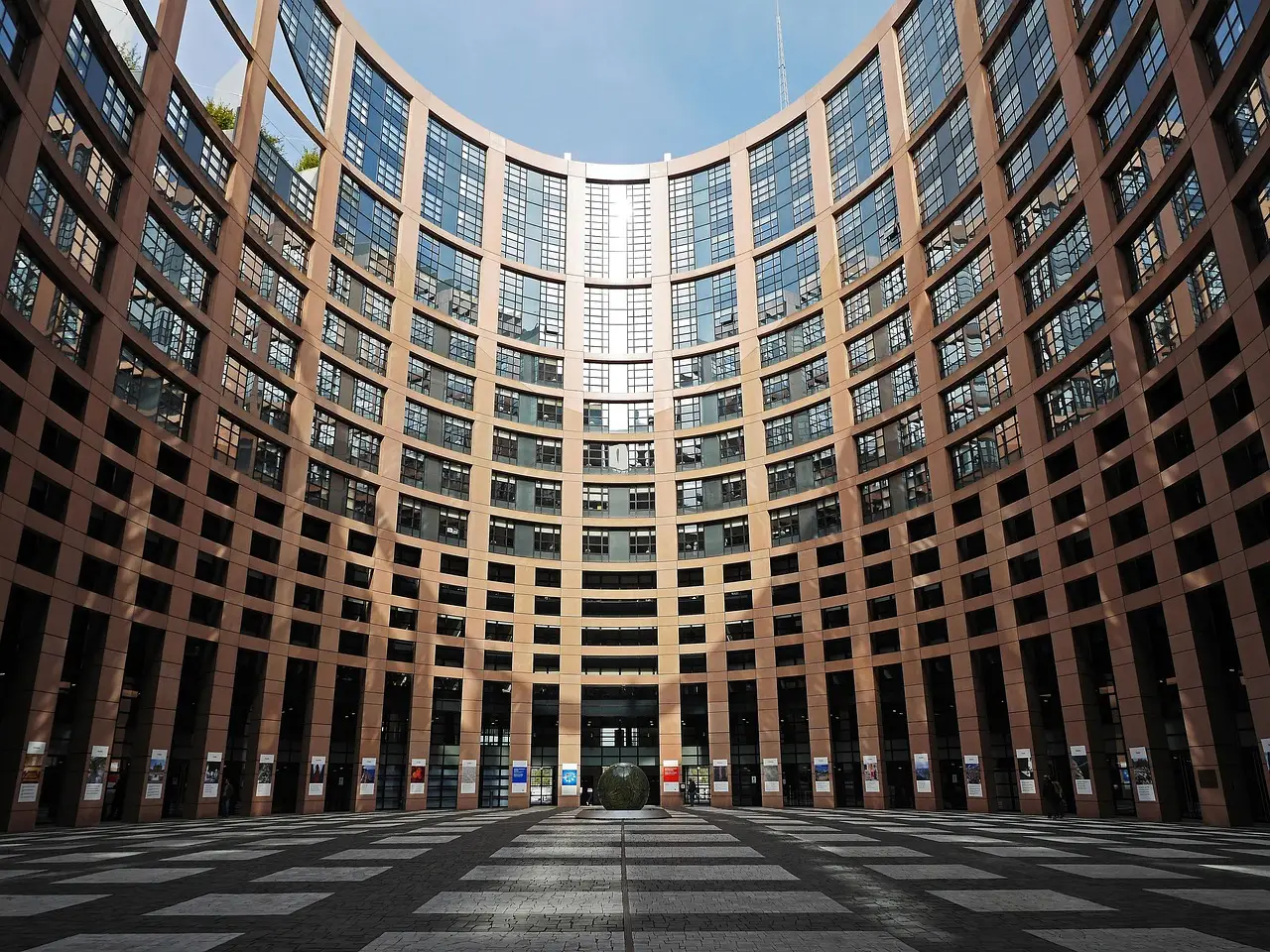
The European Court of Human Rights on Tuesday unanimously rejected a Belgian reporter's claim that her convictions for eavesdropping on a father's private meeting with a killer's accomplice violated press freedom. Françoise de Halleux and her publisher, Sud Presse, had asked the Strasbourg court to overturn Belgian fines totaling 24,000 euros (about $26,400). The judges found the penalties proportionate.
What did the court decide?
De Halleux had spent 53 minutes listening in, taking notes, after a mediator's dropped cellphone placed an accidental call to her office. The meeting, held on Nov. 16, 2012, brought together Jean-Denis Lejeune, whose 8-year-old daughter Julie was murdered by serial killer Marc Dutroux, and Michelle Martin, Dutroux's ex-wife and accomplice. De Halleux published a front-page account the next day.
The court acknowledged the fines could deter journalists, but upheld them anyway. De Halleux received the statutory minimum of 3,000 euros (about $3,300). Belgian courts fined Sud Presse 21,000 euros, weighing the publisher's encouragement of the article and its intent to profit. The two were jointly ordered to pay Martin 500 euros in damages plus interest, and 1,000 euros in costs.
Crucially, the court also rejected Belgium's argument that de Halleux's newsgathering fell outside free-speech protections entirely. Once she realized she was hearing a confidential conversation and stayed on the line, the judges said, she could reasonably have foreseen criminal charges. "Disclosing information obtained through mediation can also undermine trust in the process," the court wrote.
Why did the judges side with Belgium?
The court saw public value in reporting that the meeting had occurred. But the published account dwelled on what the participants said and how they reacted, and the applicants failed to show what those intimate details added to public debate. Both participants, the judges found, could reasonably expect their conversation to stay private.
The background is among the darkest in Belgian criminal history. Julie Lejeune and her friend Mélissa Russo, both 8, disappeared in June 1995. Police searched Dutroux's house while the girls were still alive and missed a hidden compartment where he held them. Martin knew where they were and left them to starve while Dutroux was jailed in a separate case. In 1996, police rescued two other girls and found four victims' bodies. Some 300,000 people marched in Brussels that October. Dutroux received a life sentence in 2004; Martin was paroled in August 2012 after 16 years in custody.
What does this mean for practitioners?
The ruling signals that staying on an accidentally opened line, once its confidential nature is apparent, can support criminal liability — and that criminal fines, where proportionate, will survive Strasbourg scrutiny. Jacques Englebert, a media law professor at the Université libre de Bruxelles, disagreed with the judgment. "It wasn't just morbid curiosity," he said, arguing the public had a legitimate interest in what the conversation could reveal about Julie's abduction. He also wondered whether the unusual origin of the call had influenced the judges.
Dirk Voorhoof, professor emeritus of media law at Ghent University, took the opposite view. De Halleux's choice to keep listening mattered, he said, and Belgian judges had applied the European court's own standards. "This was a case that should not have gone all the way to Strasbourg," he said. He conceded the fines could discourage other reporters, but welcomed the court's decision to give Belgium's 2013 press ethics finding no independent legal weight.
Belgium's federal justice department said the ruling reinforced the need for confidentiality in mediation. Lejeune declined to comment. Belgium's highest court rejected the appeals in 2021, and the convictions stand. The parties have three months to request a Grand Chamber hearing; absent that, Tuesday's judgment becomes final.
via brusselstimes.com (Original)
More from Priya Raman
Show full bio
Staff writer covering companies, deals and strategy in International law and legal practice at Global Law Wire.
376 articles
Also before the court
- European Court Holds Ukraine Liable in Acid Killing of Activist
- Belgian Medical School Access Rule Defeated at EU Court
- EU Court Rejects Vivendi Bid to Halt Lagardère Probe Requests
- Nord Stream Trial Opens in Germany as Defense Seeks Dismissal
- European Court Condemns Italy Over Sexist Handling of Domestic Violence Case