Law report · filed November 26, 2026
Human RightsReported case
Israeli State Officially Sanctions Torture of Palestinian Detainees, PCATI Report Finds
PCATI's report finds Israel institutionalised torture of Palestinian detainees: 1,680 complaints since 2001, zero indictments, and a new death penalty law.
By Grace Kim4 min read888 words
Holding
- PCATI examined 42 torture complaints against Shin Bet interrogators over the past decade.
- More than 1,680 torture complaints were filed with Mavtan between 2001 and 2024; none led to an indictment.
- A detainee was questioned for 552 of 660 hours, an average of 20 hours a day, despite the Supreme Court's 1999 prohibition of sleep deprivation.
- In March, the Knesset passed a death penalty law applicable to Palestinians but not Jewish Israelis.
- At least 103 Palestinian detainees have died in Israeli custody since 7 October 2023.
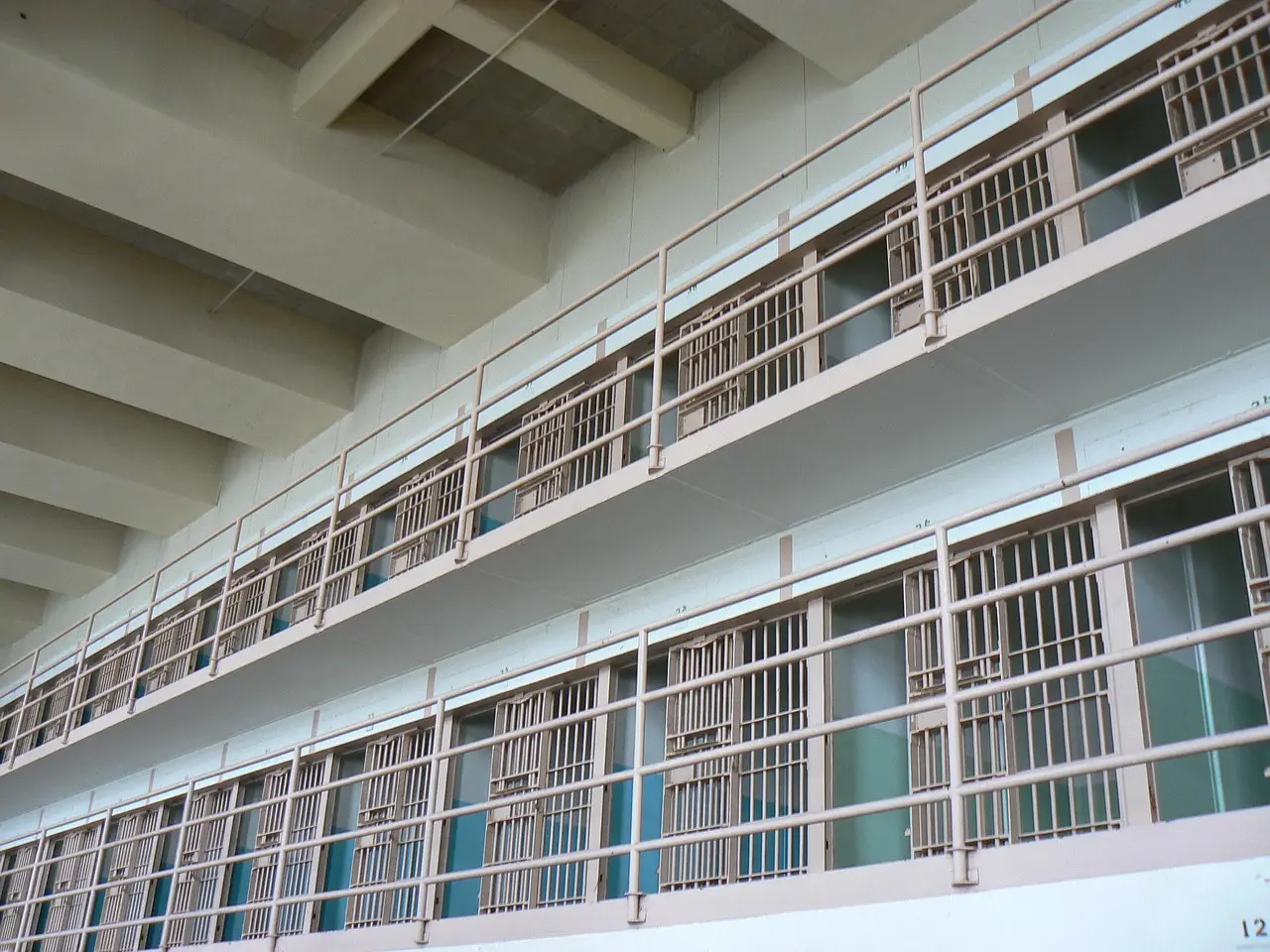
A report by the Public Committee Against Torture in Israel (PCATI) concludes that Israel has institutionalised torture of Palestinian prisoners to extract confessions, sometimes documenting the abuse in official records or granting advance approval for "special measures" in interrogation. The findings cover 42 cases from the past decade in which Palestinians complained about Shin Bet interrogators. PCATI published the report against the backdrop of a new Israeli death penalty law. The takeaway: an NGO watchdog is formally accusing the state's security apparatus of codifying practices its own Supreme Court prohibited in 1999.
What does the report actually claim?
More than three-quarters of complainants said they confessed after "torture or other illegal methods". One in ten provided incriminating statements about other people under torture. PCATI examined hundreds of testimonies describing extreme sleep deprivation, slapping, kicking, threats, sexual violence and stress positions.
Sari Bashi, PCATI's executive director, said: "When it comes to Palestinian detainees, the Israeli legal system officially sanctions torture as a tool for extracting confessions, regardless of whether the content of those confessions is true."
In one detailed case, a Palestinian lawyer arrested in February 2019 endured extreme sleep deprivation. Over 27.5 days, or 660 hours, interrogators questioned him for more than 552 hours — an average of 20 hours a day, with one session lasting nearly 48 hours. The remaining 108 hours were largely spent travelling to detention hearings. He was convicted of involvement in shooting attacks based on information extracted during that period.
The stakes rise sharply with the death penalty. Bashi said: "Torture as a tool of interrogation is particularly egregious given initiatives to impose the death penalty in Israel for the first time since 1962."
How does this square with Israeli law?
Israel's Supreme Court explicitly prohibited sleep deprivation as a deliberate interrogation method in its 1999 ruling. The lawyer in the PCATI case was nevertheless convicted on evidence gathered through exactly that method. The state inspector for complaints about Shin Bet interrogations, known as Mavtan, ruled the interrogations took place in accordance with procedures.
Mavtan's record is stark. More than 1,680 torture complaints were filed between 2001 and 2024. None has led to an indictment. Judges rarely accept testimony about torture of Palestinians, PCATI said, though some abuse surfaces indirectly in judicial records.
In one case, prosecutors used a detainee's false confession made under torture. The man walked free only after his lawyer proved he was elsewhere when the crime occurred.
PCATI's account of the legal architecture is pointed. Israel is a signatory to the UN convention against torture, but its legal system has effectively codified violence and abuse where deemed "necessary" to extract life-saving information, the report said.
The report describes the mechanism. In a "necessity interrogation" or "military interrogation", Shin Bet officials torture detainees "after consulting with their superiors and following an internal procedure for documenting their decisions and conduct".
PCATI wrote: "[A] supposedly narrow exception ballooned and developed into a sprawling system of legal and administrative exceptions that swallowed the so-called rule, enabling the use of use of violence while maintaining the appearance of prohibition." No publicly available information exists on the scale of these interrogations inside the Shin Bet.
What does the new death penalty law change?
In March, the Knesset passed a law allowing execution of Palestinians convicted of terror charges over deadly attacks — but not Jewish Israelis who commit similar crimes. In the occupied West Bank, where Palestinians face trial in military courts, execution is now the default punishment for a defendant found guilty of deadly terror attacks.
The law drew fierce international criticism. UN High Commissioner for Human Rights Volker Türk warned it would constitute a war crime if enacted. A separate law empowers a special tribunal to impose death sentences in cases arising from the 7 October 2023 attacks.
Bashi said: "The death penalty is always wrong, because it's cruel, irreversible and negates the right to life. No one should be executed, particularly not in a system tainted by systematic violence."
What are the practical consequences for practitioners?
Defence lawyers handling Palestinian clients should assume confessions carry a documented risk of coercion and probe interrogation logs, session durations and transportation records. The PCATI data shows Mavtan offers no meaningful avenue: 1,680 complaints, zero indictments.
Even litigation wins are partial. Israeli case law lets prosecutors use information derived from excluded torture-tainted confessions to secure convictions. Practically, evidence challenges must reach the derivation chain, not merely the statement itself.
What do detention conditions and postmortems show?
Detention conditions worsened after October 2023, PCATI said. Rights groups documented a sharp rise in violence by Israeli prison guards and soldiers, including beatings, attacks with dogs, electric shocks, threats and rape.
At least 103 Palestinian detainees have died in Israeli custody since 7 October 2023. Of 10 postmortems reviewed by Physicians for Human Rights Israel, five showed signs of physical assault and six showed evidence of medical neglect.
The Israel Prison Service said "all prisoners are held in accordance with the law". The Shin Bet and Israel's justice ministry did not respond to requests for comment.
The bottom line: an official complaints channel with 1,680 cases and no indictments, combined with a new death penalty, leaves confession evidence in these cases under a documented cloud.
via google.com (Original)
More from Grace Kim
Show full bio
Correspondent covering companies, deals and strategy in International law and legal practice at Global Law Wire.
376 articles
Also before the court
- Israel Approves Law Allowing Public Trials, Death Penalty for October 7 Detainees
- ICC Issues Arrest Warrants for Netanyahu, Gallant and Deif
- Nobel for Pillay, Sanctions for the Court: Trump Hits the ICC
- US Judge Blocks Trump Bid to Penalize ICC Probe Aiders
- ICC Issues Arrest Warrants for Netanyahu and Gallant