Law report No. GLW-3067 · filed October 9, 2026
Criminal JusticeReported case
ICC Rules Duterte Fit to Stand Trial
ICC judges have ruled former Philippine president Rodrigo Duterte fit to stand trial, allowing the crimes against humanity case over his anti-drug campaign to proceed.
By Priya Raman2 min read471 words
Holding
- ICC judges ruled Rodrigo Duterte fit to stand trial
- The case is the Situation in the Philippines, concerning the anti-drug campaign
- Duterte faces charges of crimes against humanity, which he denies
- The ruling removes a procedural bar and lets proceedings continue
- Duterte remains in ICC custody in The Hague
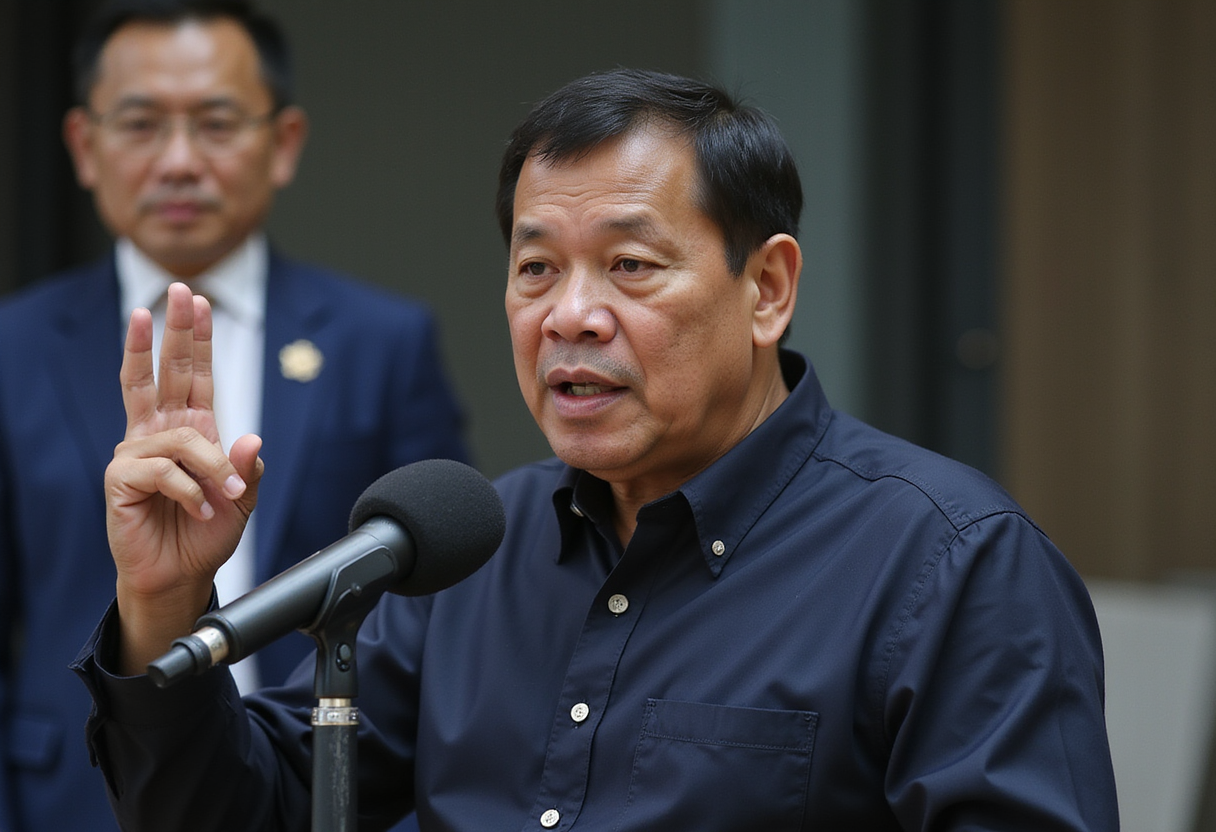
Judges at the International Criminal Court have ruled that former Philippine president Rodrigo Roa Duterte is fit to stand trial, clearing the way for proceedings in the Situation in the Philippines to continue against him.
The ICC's fitness determination, announced by the court, resolves a preliminary question that had hung over the case: whether the 80-year-old former head of state could meaningfully participate in his own defence. The judges concluded that he can.
The ruling concerns the Situation in the Philippines, the ICC investigation into the deadly nationwide anti-drug campaign that Duterte oversaw during his presidency. Prosecutors accuse him of crimes against humanity. Duterte has denied wrongdoing.
What does the ruling change?
The decision removes a potential procedural bar to trial. Had the judges found Duterte unfit, the case would likely have been suspended, delaying — or in practical terms potentially ending — any prospect of a verdict during his lifetime. A fitness finding keeps the case on the court's active docket.
For practitioners, the ruling means the litigation now returns to its substantive track. Defence counsel can be expected to continue contesting jurisdiction and admissibility, the customary battlegrounds in ICC proceedings involving domestic amnesties, national proceedings and complementarity challenges. Philippine authorities have long argued that the court lacks jurisdiction because the country withdrew from the Rome Statute during Duterte's presidency. The ICC maintains its authority over alleged crimes committed while the Philippines was a state party.
Why fitness mattered
Fitness to stand trial is a threshold issue at international tribunals, separate from guilt. Judges must be satisfied that an accused understands the nature and purpose of the proceedings and can instruct counsel. Courts routinely order medical assessments when ageing defendants or their lawyers raise capacity concerns.
The judges' finding means those concerns did not meet the threshold. Duterte will participate in proceedings as an accused person with full trial rights, including the right to confront prosecution evidence and to present a defence.
What happens next
The case proceeds toward confirmation-of-charges hearings and, if charges are confirmed, trial. Key issues to watch include:
- Any renewed defence application challenging the court's jurisdiction over the Philippines situation
- Amicus and victims' participation filings as charges are scrutinised
- The prosecution's evidence on command responsibility for the anti-drug campaign
The ICC has not yet set the next hearing date. Duterte remains in the court's custody in The Hague.
For the Philippines, the ruling carries political weight. It signals that international accountability for the drug war will move forward notwithstanding domestic political transitions, and it keeps pressure on Manila's own investigative efforts, which the court will weigh under complementarity principles.
The ruling is procedural, not substantive. It says nothing about guilt. But it ensures the question of guilt will be asked — and answered — in a courtroom.
via GN International Courts (Source)
More from Priya Raman
Show full bio
Staff writer covering consumer brands and retail at Global Law Wire.
187 articles
Also before the court
- ICC Rules Ex-Philippine President Duterte Fit to Stand Trial
- ICC Judges Find Duterte Fit to Stand Trial in Drug War Case
- ICC Judges Find Ex-Philippine President Duterte Fit to Stand Trial
- ICC Judges Rule Duterte Fit to Stand Trial
- ICC Finds Rodrigo Duterte Fit to Stand Trial Ahead of Next Month's Hearing