Law report No. GLW-6575 · filed October 9, 2026
Criminal JusticeReported case
ICC Pre-Trial Chamber Rules Duterte Fit to Stand Trial
ICC Pre-Trial Chamber judges have ruled that former Philippine President Rodrigo Duterte is fit to stand trial, removing a key threshold obstacle to proceedings at The Hague.
By Priya Raman3 min read526 words
Holding
- The ICC Pre-Trial Chamber has determined former Philippine President Rodrigo Duterte is fit to stand trial.
- The ruling was issued by ICC judges sitting in pre-trial configuration in The Hague.
- The decision resolves a threshold competency question that must be cleared before trial can advance.
- The case now proceeds toward the confirmation of charges stage absent further challenge on fitness grounds.
- The reporting source is The Washington Post.
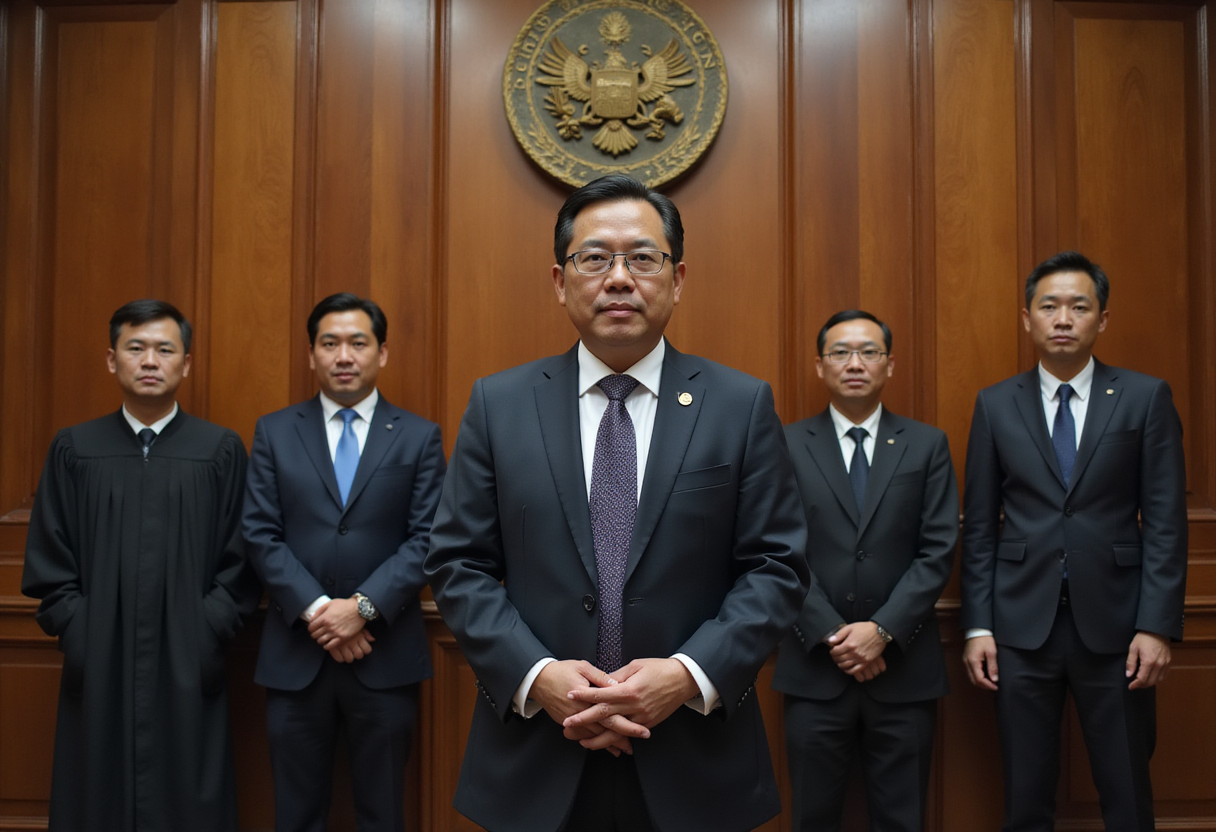
The International Criminal Court's Pre-Trial Chamber has determined that former Philippine President Rodrigo Duterte is fit to stand trial, according to a report by The Washington Post.
The finding clears a threshold competency question that international criminal procedure requires be resolved before substantive trial proceedings can advance against the former head of state.
What did the ICC judges rule?
The Pre-Trial Chamber concluded that Duterte is fit to stand trial. The decision was issued by ICC judges sitting in pre-trial configuration in The Hague. Under the ICC's procedural framework, a finding of fitness is a necessary precondition for the case to move past the pre-trial phase into the trial stage.
Why does the fitness question gate the proceedings?
A defendant's competence to participate in trial is a foundational requirement at the ICC, as at most domestic jurisdictions. Where a chamber concludes that an accused is not fit to stand trial because of a mental or physical condition that prevents meaningful participation, proceedings are typically stayed or held in abeyance until the condition lifts, or restructured to accommodate the accused.
A positive fitness finding means the chamber has determined that the accused can:
- Understand the nature of the charges
- Understand the proceedings
- Instruct counsel
- Follow the proceedings
The standard reflects the right of the accused to a fair and public hearing, a guarantee enshrined in Article 67 of the Rome Statute.
What does the ruling change for the case?
With the competency question resolved in favor of fitness, the case against the former Philippine president can proceed toward the confirmation of charges stage, unless the chamber's order is appealed or a separate interlocutory challenge is filed. Confirmation of charges is the step at which pre-trial judges decide whether the evidence is sufficiently strong to commit the accused to trial.
What practical issues remain for practitioners watching the case?
Counsel for the accused retains the right to challenge the fitness determination through available review mechanisms. The Pre-Trial Chamber's order is a written reasoned decision; the full reasoning will shape the scope of appellate review and the strategic options available to the defence team.
For practitioners, three points follow directly from the ruling:
- The chamber has accepted the medical or evaluative basis offered on the question of competence
- The procedural calendar for the confirmation phase is no longer suspended on health grounds
- The defence must now orient its filings toward the merits of the charges rather than the threshold competency question
What remains to be seen
The published reasoning of the Pre-Trial Chamber, the precise scope of the charges that the chamber will consider at confirmation, and any challenges lodged by the defence will shape the next stage of the proceedings. Reporting by The Washington Post identified the fitness ruling; further details on the operative language of the decision are expected as the chamber releases its written reasoning.
The case remains one of the highest-profile matters ever to reach the ICC involving a former head of state from the Philippines, and the fitness ruling marks the end of the first major procedural checkpoint in that litigation.
via GN International Courts (Source)
More from Priya Raman
Show full bio
Staff writer covering consumer brands and retail at Global Law Wire.
187 articles