Law report No. GLW-3038 · filed November 13, 2026
Criminal JusticeReported case
Two Iranian Men Convicted at Woolwich Crown Court of Spying on UK Barrister
Woolwich Crown Court convicted two Iranian men of spying on barrister Jonathan Turner and banned-channel journalists; sentencing follows at the Old Bailey on 17 December 2026.
By Priya Raman3 min read687 words
Holding
- Mostafa Sepahvand and Farhad Javadi Manesh were convicted at Woolwich Crown Court of assisting a foreign intelligence service.
- A third defendant, Shapoor Qalehali Khani Noori, was acquitted of all offences.
- Sepahvand sought £150,000 to "finish [the target] off", the CPS said.
- Sentencing is set for 17 December 2026 at the Central Criminal Court.
- Target Jonathan Turner is a Three Stone Building IP and competition barrister and chief executive of UK Lawyers for Israel.
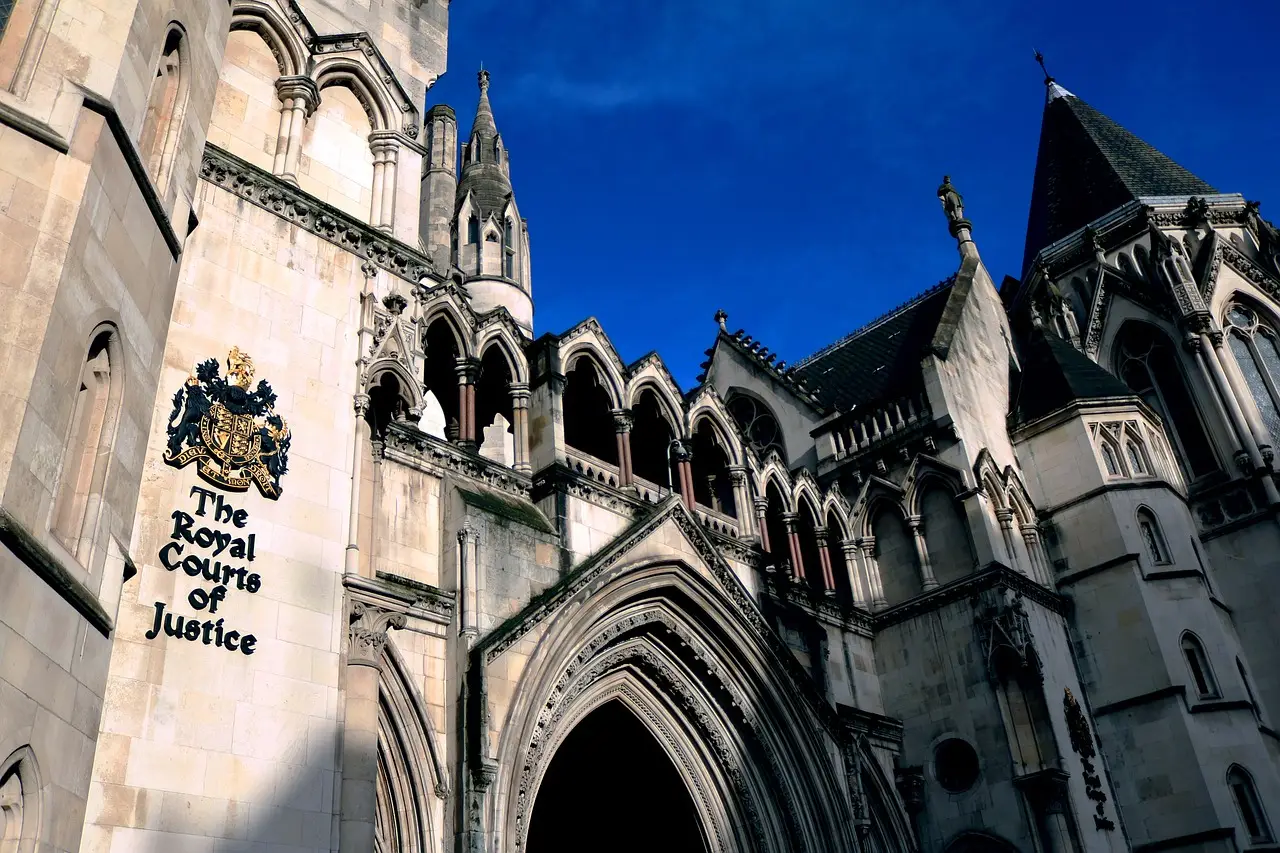
Two Iranian men were convicted at Woolwich Crown Court of assisting a foreign intelligence service, after a trial that laid bare an Iranian-state surveillance operation targeting a UK barrister and Iranian journalists working for a broadcaster banned by the Iranian regime. Mostafa Sepahvand and Farhad Javadi Manesh now face sentencing at the Central Criminal Court on 17 December 2026. A third defendant, Shapoor Qalehali Khani Noori, was acquitted of all offences.
The disclosure is stark. One of those targeted was Jonathan Turner, a tenant at Three Stone Building who specialises in intellectual property and competition law. He also serves as chief executive of UK Lawyers for Israel. The journalists worked for a television channel the Iranian regime has banned — the judgment itself does not name the broadcaster, and that silence is worth noting.
What did the surveillance involve?
According to evidence before the court, videos, photographs and text messages recovered from devices showed Sepahvand carrying out surveillance on targets' homes and work addresses. His task: to locate other journalists associated with the channel. Sepahvand led contact with handlers in Iran. Manesh passed information, photographs and videos to him.
The money is concrete. Sepahvand had been promised tens of thousands of pounds — a sum that, for scale, approaches the median annual UK household income. That promise came with escalation built in.
Cell-site location data placed Sepahvand in a particular area of London in late 2024 while he conducted surveillance on a separate target. His phone held photographs, Google searches and addresses connected to a target who had left home over security concerns and temporarily moved to a west London hotel. The digital trail, not witness testimony, carried the prosecution's case.
How did Sepahvand defend himself?
He admitted spying. He admitted his actions were capable of helping a foreign intelligence service. But he claimed he acted out of fear of the consequences of refusing to comply — coercion, in substance, though the jury rejected it as an answer to the charge.
The burden mattered. Prosecutors had to prove that his actions were intentional and that he knew, or ought reasonably to have known, the reconnaissance was likely to be useful to foreign spies carrying out hostile activity in the UK. That is a knowledge-based threshold, not a strict-liability one. The conviction signals the jury found he met it.
What he did not admit is equally telling. The claim of duress did not survive contact with one message recovered from his phone.
Did the plot stop at surveillance?
No. A message to his contact in Iran showed Sepahvand asking for £150,000 — roughly six times the average UK annual salary — to "finish [the target] off" once they had been found. The Crown Prosecution Service said he was willing to go beyond surveillance and commit serious violence.
The defendants were stopped before any attack could take place. That timing is the thin line between a surveillance conviction and something graver. What the CPS did not say is how close any attack actually came, or how the plot was interrupted; the public record leaves that gap open.
What does this mean for practitioners?
For lawyers and journalists who work on matters hostile to foreign states, the case is a working illustration of the threat model. Digital footprints — cell-site data, search histories, device photographs — served as the evidentiary spine. Targets who relocate for security reasons may themselves be tracked through address data held on an operative's phone. Practitioners advising clients at risk of state-directed surveillance should note that the prosecution succeeded on circumstantial digital evidence alone, without an identified human witness to the hostile act. Firms with politically exposed members may wish to review physical and digital security posture accordingly.
Sentencing follows on 17 December 2026 at the Central Criminal Court. The offence of assisting a foreign intelligence service carries substantial maximum terms; the actual sentences will show how the courts weigh state-directed espionage against a rejected coercion defence.
The takeaway: a jury has confirmed that Iranian-directed surveillance reached a London barrister's doorstep, and the £150,000 message shows where it was heading.
via Legal Cheek (Source)
More from Priya Raman
Show full bio
Staff writer covering companies, deals and strategy in International law and legal practice at Global Law Wire.
324 articles
Also before the court
- Two Men Guilty of Iranian Plot to 'Eliminate' UK Journalists
- Iranian Parliament Approves Corporate Liability and Mens Rea Rules in Foreign Influence Bill
- Why Iran's 'Architects of Atrocities' Escape Trial
- Baku Court Hands 10-Year Term to Parliamentary Monitor's Co-Founder
- New York Indictment Accuses Iran-Backed Trio of Plotting Attack on RAF Fairford