Law report No. GLW-8287 · filed November 19, 2026
Courts & TribunalsReported case
Federal Judge Vacates DHS Rule Capping Foreign Student Stays at Four Years
Judge F. Dennis Saylor vacated a DHS rule capping most foreign students at four years, calling it 'arbitrary and capricious' and beyond the agency's statutory authority.
By Amara Osei3 min read609 words
Holding
- U.S. District Judge F. Dennis Saylor vacated the DHS rule on November 17, calling it 'arbitrary and capricious'.
- The rule would have capped most F, J and I visa holders at four years, replacing the 'duration of status' system.
- DHS issued the rule in July; Saylor temporarily blocked enforcement in September after unions and universities sued.
- The government's appeal of the earlier preliminary injunction remains pending.
- Plaintiffs included the American Federation of Teachers and United Auto Workers.
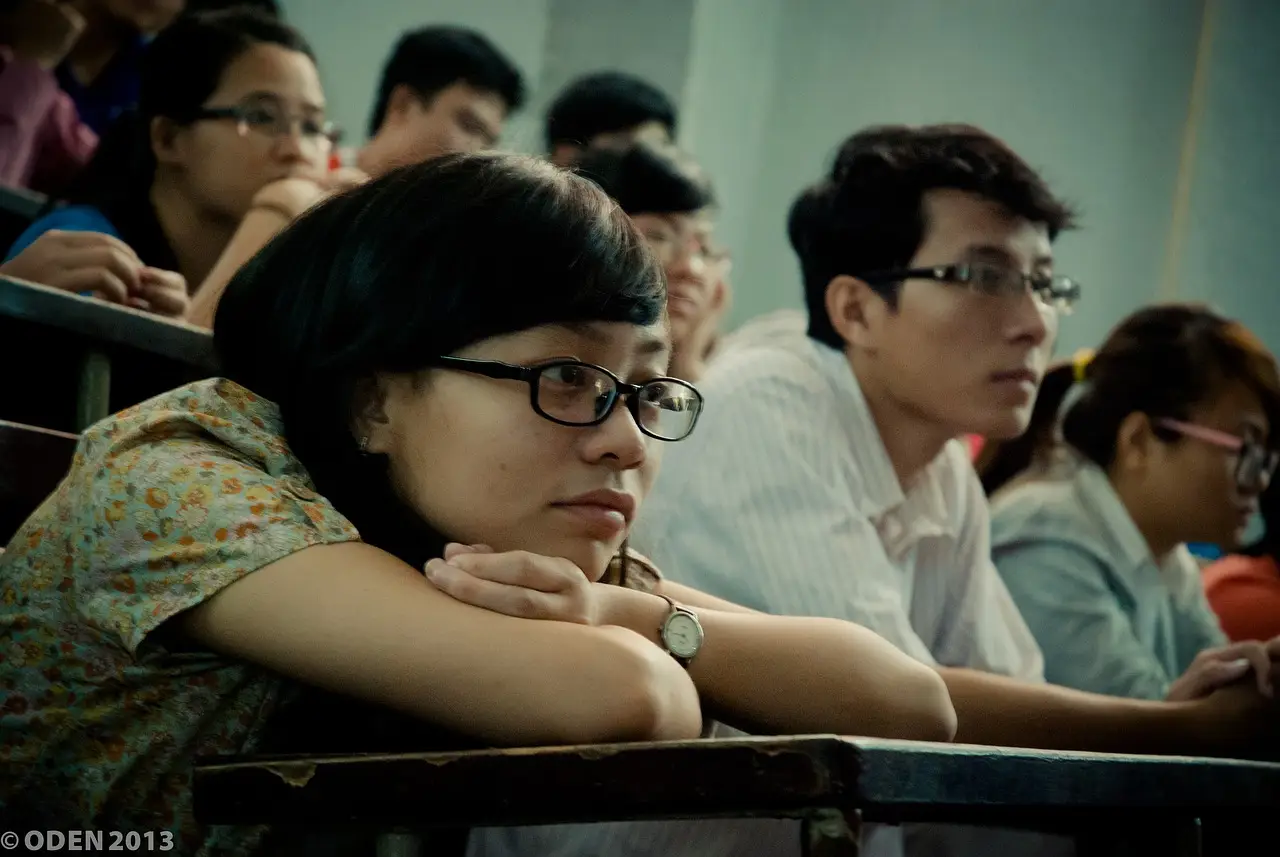
A federal judge in Massachusetts vacated a Department of Homeland Security rule on Monday, November 17, that would have limited most international students to four years in the United States. U.S. District Judge F. Dennis Saylor declared the rule "arbitrary and capricious" and held that DHS exceeded the authority Congress granted it.
The ruling preserves the existing "duration of status" system. Under that framework, holders of F, J and I visas — students, exchange visitors and foreign journalists — may remain in the country for as long as they comply with their visa conditions. The Trump administration's rule would have replaced it with fixed admission periods and, for many, repeated extension applications.
What would the rule have changed?
The proposed restrictions reached well beyond a simple time cap:
- Most international students and exchange visitors admitted for no more than four years.
- Students in longer academic programs, including many doctoral candidates, forced to seek extensions.
- New limits on students' ability to change academic programs or pursue certain advanced degrees.
Saylor, appointed by former President George W. Bush, found the restrictions on doctoral programs, joint degrees and additional qualifications conflicted with Congress's intentions for the student visa program. He also determined DHS failed to adequately justify the restrictions or to explain why concerns about immigration fraud and national security warranted such sweeping changes.
"Put bluntly, DHS is seeking to prevent or discourage the very activity — providing educational opportunities for foreign students in the United States — that Congress sought to permit and encourage," Saylor wrote. "The statute simply does not grant DHS such broad and open-ended authority to undermine the F-1 visa program."
Blunt language. Also operative language. The statute, not the agency, wins this round.
How did the case reach this point?
DHS issued the rule in July, with implementation scheduled for September. Higher education organizations and labor unions sued in August. Saylor temporarily blocked enforcement the following month. The plaintiffs included the American Federation of Teachers and United Auto Workers.
The government has appealed that earlier preliminary ruling. The appeal remains pending, which means Monday's judgment may not be the final word.
What does the ruling change for practitioners?
For now, nothing changes on the ground. Duration-of-status admissions continue, and universities need not prepare extension filings for doctoral candidates approaching a four-year ceiling. Practitioners advising F-1 and J clients should note the vacatur rests on Administrative Procedure Act grounds — failure to justify — and on statutory overreach, reasoning an appellate court could revisit. The pending appeal of the preliminary injunction keeps the issue live in the First Circuit's orbit.
What did both sides say?
The administration argued that tighter restrictions would let immigration authorities review visa holders more frequently and combat potential abuses. DHS General Counsel James Percival attacked the ruling on X: "Come on a student visa, take one class per semester and stay here for decades. According to Judge Dennis Saylor, ICE must permit this rampant abuse of our immigration system."
Adam Klein, co-founder of Globali.ai and a former senior DHS official, questioned whether the oversight would achieve its stated aims. "This is particularly important for doctoral students, researchers and others whose academic programs do not necessarily fit within a fixed timetable," Klein said. "DHS has a legitimate interest in identifying students who violate their status or use educational programs improperly. But requiring students who are otherwise complying with the law to seek repeated government permission to continue their studies does not necessarily improve fraud detection."
The takeaway is simple: the rule is vacated, the system stands, and the appellate courts will decide whether it stays that way.
via wonderwall.com (Source)
More from Amara Osei
Show full bio
Senior reporter covering people, launches and day-to-day practice in International law and legal practice at Global Law Wire.
351 articles
Also before the court
- DOJ Accuses UCLA School of Law of Racial Discrimination in Admissions
- Supreme Court to Review Trump Asylum Suspension at Border
- Cities Ask Supreme Court to Block Texas-DOJ Deal Killing Closure Rule
- Cato Amicus Brief Urges First Circuit to Kill $100,000 H-1B Fee
- Supreme Court Again Clears Third-Country Deportations Pending December Arguments