Law report No. GLW-2305 · filed November 16, 2026
Regulation & EnforcementReported case
One Tanker, Three Names, Three Sanctions Regimes Left Chasing
Only 170 of 1,674 vessels designated for Russia sanctions appear on all three Western lists. Renaming lets shadow fleet ships outrun OFAC, EU and UK regulators.
By Sophie Lindqvist5 min read1,016 words
Holding
- One tanker was designated three times under three names: NS Champion (US, 2023), KOTLAS (EU, 2025), OTLA (UK, 2025).
- Only 170 of 1,674 designated vessels appear on all three sanctions lists.
- 60 of the 170 tri-listed vessels — about 35% — now sail under names matching no database.
- An India-listed commodities company agreed to pay $275 million to OFAC in May 2026.
- The UK designated 50 vessels on Feb. 24, 2026; eight were listed under names different from the EU's.
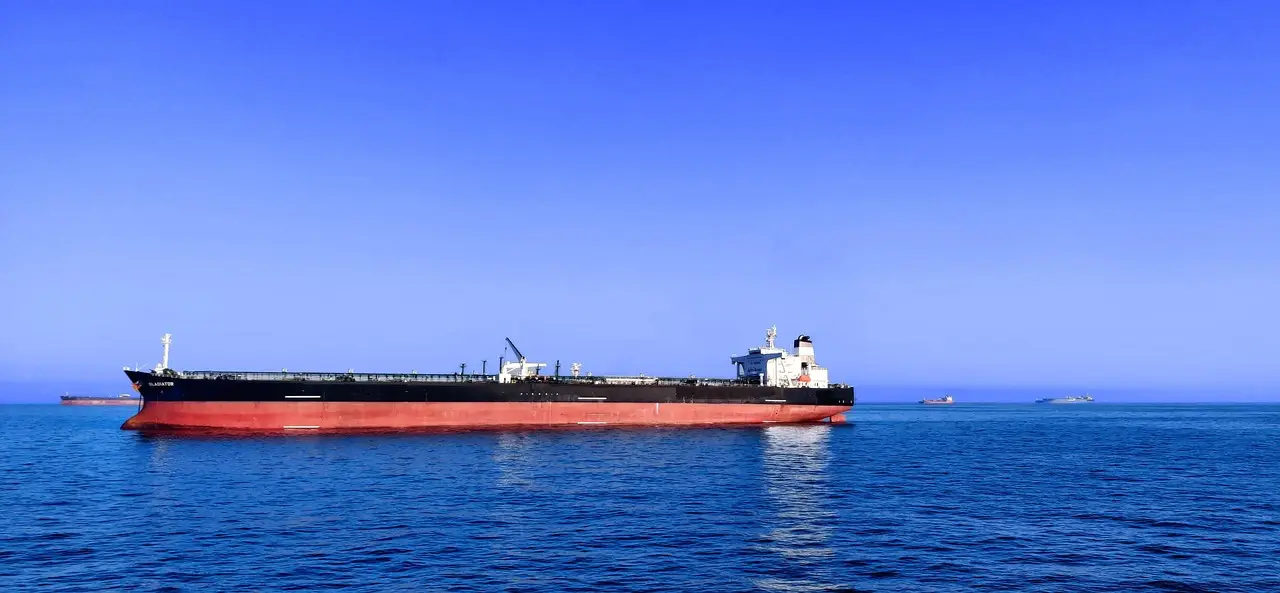
One tanker, three names, three sanctions regimes — and each designation landed too late. On April 28, 2026, the vessel sailed as the OTLA. A year earlier it was the KOTLAS. Before that, the NS Champion. The US sanctioned it as NS Champion in 2023, the EU sanctioned it as KOTLAS in early 2025, and the UK designated it as OTLA that spring. Each listing arrived only after the ship had shed the name on the list and sailed on.
That sequence comes from a LexisNexis Risk Solutions analysis by Vincent Gaudel, and it exposes the mechanism. The US, EU and UK each designated the same physical ship independently, under whichever name it carried at the time. There is no joint mechanism by which OFAC's 2023 designation automatically flags a renamed vessel to officials in Brussels or London. The sanctions were always chasing a ship that, on paper, no longer existed.
How big is the gap between the lists?
By April 2026, the EU, UK and OFAC (the US Treasury's Office of Foreign Assets Control) had collectively designated 1,674 vessels under Russia-related sanctions programs. Only 170 of them — just over 10% — appear on all three lists. The numbers break down like this:
- 357 vessels appear on the EU and UK lists but not OFAC's.
- 27 appear on the UK and OFAC lists but not the EU's.
- 13 appear on OFAC and EU lists but not the UK's.
Vessel designations drove a significant share of 2025 sanctions activity across all three programs. But expansion widened the gaps rather than closed them. Three parallel regimes, updating at their own pace, keep separate lists against a shadow fleet that has understood these inefficiencies for some time.
The Feb. 24, 2026 UK package shows the problem in miniature. The UK designated 50 vessels; the EU already listed 48 of them. But eight of those 48 changed their names again after the EU designation, so the UK listed them under different names from the EU. Two regulators, same physical ship, two different names. The EU's April 2026 package ran the same play in reverse: of its 46 new additions, 30 appeared on no other list, leaving open whether the UK will follow.
More designations don't solve this. They add more names to long lists that shadow fleet vessels can rename their way out of.
Why is renaming such an effective tell?
Of the 170 vessels sanctioned by all three regulators, 60 — roughly 35% — now operate under a name matching none of the three databases. Of those 60, 34 had already changed names once after an earlier designation. Even ships that looked clean weren't necessarily so: a follow-up registry check found two-thirds of the 92 vessels whose names matched across all three lists had since changed their operating names. Name consistency, in other words, isn't a reliable screening signal on its own.
The renames fall into two patterns. The first is blunt, sometimes brazen. The ship's name is painted on its bow, yet operators simply change a few letters: TRIUMPH became TRIUM, DIAMOND became ALMOND, ANTARCTIC became ANTARKTIKA, ARSENYEV became ASENYEV, AKADEMIC became AKADEMIK, NOVA ENERGY became NEW ENERGY, LEONID LOZA became LEO. The second pattern is staying one step ahead of the lists — the NS Champion/KOTLAS/OTLA sequence follows it almost exactly, with the ship's IMO number (the permanent seven-digit hull identifier) the one constant across three names and three years.
Generic names compound the problem. Many shadow fleet vessels carry names such as Maria, Premier or Triumph — names that large numbers of legitimate vessels also use. Automated screening systems generate large numbers of false matches, forcing banks to build increasingly complex screening rules just to avoid drowning in false alerts. Certain states and flag registries don't implement Russia sanctions at all, which shows the jurisdictional limits of the tool.
What other tactics sit alongside renaming?
Reflagging — flag hopping — moves a vessel's registration to a state that doesn't enforce Western sanctions. According to the European Parliament, the flags most used by shadow tankers carrying Russian crude include the Cook Islands, Eswatini, Gabon, Liberia, Malta, the Marshall Islands, Panama and Russia itself. Frequent reflagging forces enforcement agencies to re-establish a ship's identity at each stage.
AIS manipulation is more technical. Ships must broadcast position via the Automatic Identification System, but a sanctioned vessel can disable or falsify that signal while transferring cargo at sea to a second, undesignated vessel, which then carries it to port with its origin concealed.
The stakes are concrete. In May 2026, an India-listed commodities company agreed to pay $275 million to OFAC after purchasing fuel of Iranian origin. A single violation can trigger correspondent banking restrictions, asset freezes and criminal referrals. Systematic failures have ended some institutions' access to dollar clearing entirely. And most shadow fleet vessels are over 20 years old, past a safe commercial lifecycle, raising the odds of a spill where liability is unclear and coastal states absorb the cost.
What should practitioners do?
For shipping and energy companies, and the banks and insurers behind them, exposure isn't just about whether a name appears on a list. The analysis sets out four controls:
- Assess where exposure is greatest. Company-wide risk assessments should identify the cargoes, routes, counterparties and transaction patterns most likely to create shadow fleet exposure.
- Look beyond the vessel's current identity. Due diligence should cover IMO number, previous names, flag history, ownership, management, insurance and voyage history, with closer scrutiny of cargo origin and ship-to-ship transfers.
- Recognize the warning signs. Staff in chartering, operations, trade finance and compliance should understand how renaming, flag hopping and AIS manipulation conceal exposure — and know when to escalate.
- Treat screening as a baseline, not a clearance decision. Check IMO numbers alongside current and previous names, re-screen when details change, and remember that no match doesn't mean low risk.
The objective is not merely to clear a vessel's name, but to understand the risk behind the voyage.
via corporatecomplianceinsights.com (Source)
More from Sophie Lindqvist
Show full bio
News editor covering people, launches and day-to-day practice in International law and legal practice at Global Law Wire.
333 articles
Also before the court
- EU Expands Russia Sanctions Blacklist in Record Designations
- EU Approves 22nd Russia Sanctions Package; Compliance Clock Restarts
- EU's Largest Russia Sanctions Listings Raise Questions for India
- EU General Court annuls RMRS recognition withdrawal, keeps sanctions
- US Imposes Sweeping Sanctions on ICC as Part of Drive to Dismantle Tribunal