Law report No. GLW-7926 · filed October 10, 2026
Criminal JusticeReported case
EU Chief Urges Respect for Kosovo War Crimes Court as Thousands Rally
Thousands of demonstrators rallied as the EU's top official called for respect for the Kosovo Specialist Chambers, the Hague-based court prosecuting former KLA members for 1998-99 conflict-era crimes.
By Grace Kim3 min read620 words
Holding
- Thousands of demonstrators rallied as the EU chief made his public appeal
- The Kosovo Specialist Chambers was established in 2015 and sits in The Hague
- Former Kosovo president Hashim Thaçi has stood trial at the court since 2021
- A 2023 Kosovo parliamentary inquiry urged the court be wound down
- The EU funds a significant share of the court's operations and witness-protection regime
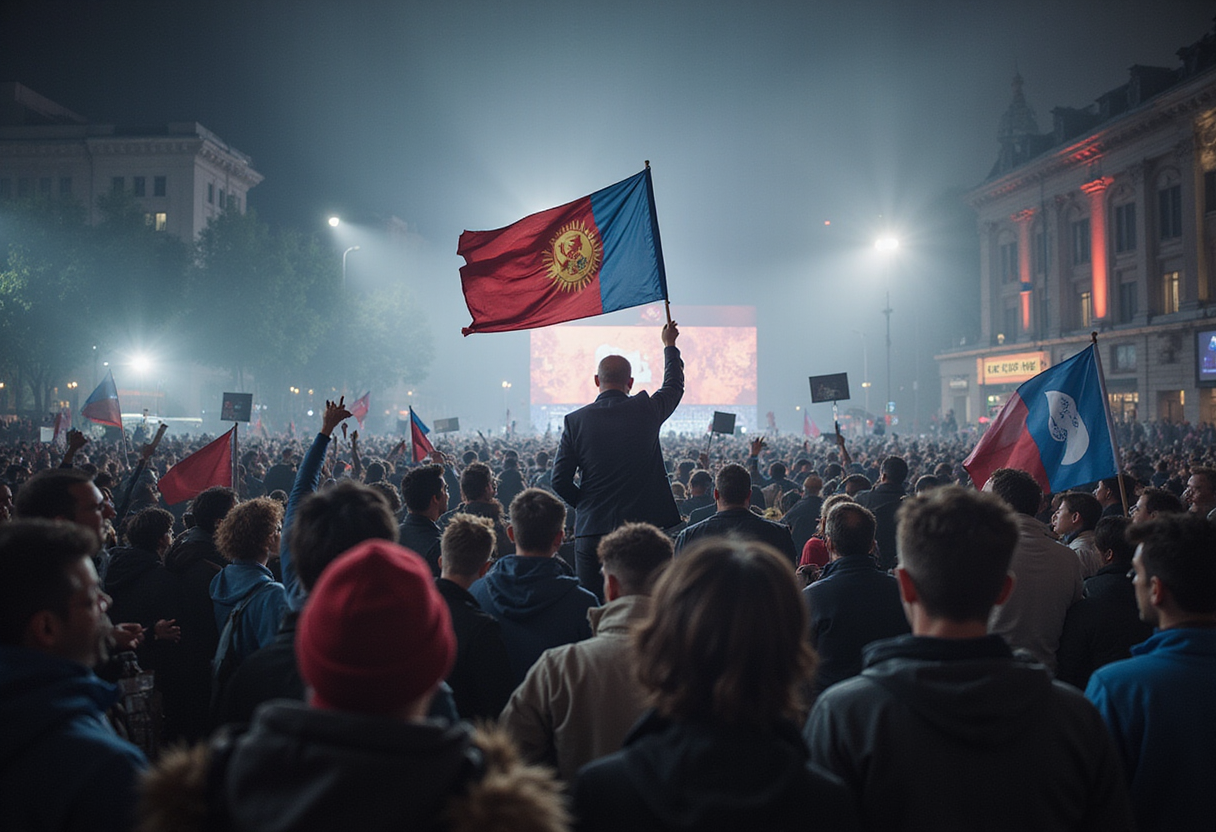
Thousands of demonstrators rallied as the European Union's top official publicly urged respect for the Kosovo Specialist Chambers, the Hague-based war crimes court that prosecutes former members of the Kosovo Liberation Army (KLA).
The intervention places the bloc firmly behind an institution that has drawn sustained political resistance inside Kosovo. The EU chief's call carries practical weight: the bloc funds a significant share of the court's operations, and Kosovo's visa-free access to the Schengen area depends, in part, on continued cooperation with international justice mechanisms.
What is the Kosovo Specialist Chambers?
The Specialist Chambers is a domestic court under Kosovo law, established in 2015 through constitutional amendments and physically seated in The Hague. It traces its origins to a 2011 Council of Europe report by Swiss Senator Dick Marty that identified evidence of crimes against humanity and organ trafficking involving senior KLA figures.
The court's mandate covers alleged murder, torture, persecution, and enforced disappearance committed between 1998 and 2000, during and immediately after the conflict with Serbia. Cases involving Serbian forces fall under separate mechanisms, including the International Residual Mechanism for Criminal Tribunals and an EU-funded investigation project based in Belgrade.
Why does the court stir political opposition?
Several senior KLA figures face indictments. Kosovo's former president, Hashim Thaçi, transferred himself to The Hague in November 2020 and has stood trial since 2021 on charges including murder and persecution. Three other former senior KLA commanders face separate proceedings.
A 2023 parliamentary inquiry urged the government to wind down the Specialist Chambers and its accompanying Specialist Prosecutor's Office. The EU, the United States, and the United Kingdom rejected the recommendation. Prime Minister Albin Kurti's government has so far maintained a working relationship with the court while publicly backing the inquiry.
Why does the EU take this so seriously?
The bloc's financial commitment to the court is substantial. The Specialist Chambers and the Specialist Prosecutor's Office operate on a budget combining EU contributions, voluntary member-state funding, and a levy on Kosovo's consolidated budget. The witness-protection regime that the court relies on draws EU funding as well.
For Pristina, that funding structure translates into direct leverage. Any move read as undermining the court risks the bloc recalibrating its support, with knock-on effects for the visa-free regime and the broader accession track.
What does the EU chief's intervention signal?
By speaking out during a period of mass public mobilization, the EU's top official signaled that any political interference with the court will carry consequences for Kosovo's European integration. The bloc has tied visa liberalization and accession progress to the country's record of cooperation with international justice.
For practitioners, the intervention reminds defense teams, victim counsel, and policy advisers that political risk around the court remains acute. The EU and the United States will coordinate closely on any future moves from Pristina that could read as obstruction.
What should practitioners watch next?
Three indicators will shape the coming weeks:
- Formal statements from Pristina in response to the EU chief's call
- Any legislative action affecting the Specialist Chambers or the Specialist Prosecutor's Office
- The court's own scheduling orders, particularly in the Thaçi trial and parallel proceedings
The court's procedural framework blends Kosovo's criminal procedure code with international practice, including elements drawn from the International Criminal Court. Counsel familiar with international tribunals will recognize the witness-protection regime, victim-participation rights, and disclosure rules.
The Specialist Chambers' docket remains active. Any disruption to trials, appeals, or witness protection would put the EU chief's public appeal to an immediate test and likely draw swift responses from Brussels, Washington, and London.
via GN War Crimes (Source)
More from Grace Kim
Show full bio
Correspondent covering consumer brands and retail at Global Law Wire.
206 articles
Also before the court
- Kosovo's Assembly Condemns EU-Backed Verdicts Against Former KLA Leaders
- Protesters Clash With Kosovo Police Over War Crimes Court Law
- Kosovo Lawmakers Condemn War Crimes Verdicts Against Rebel Leaders
- EU Chief Urges Respect for Kosovo War Crimes Court Amid Rallies
- Kosovo Lawmakers Criticise EU Court's War Crimes Verdicts