Law report No. GLW-7062 · filed October 10, 2026
Courts & TribunalsReported case
Kosovo's Assembly Condemns EU-Backed Verdicts Against Former KLA Leaders
Kosovo's parliament condemned war crimes verdicts issued by the European Union-backed Kosovo Specialist Chambers in The Hague against former Kosovo Liberation Army commanders, framing the rulings as politically motivated.
By Sophie Lindqvist3 min read572 words
Holding
- Kosovo's Assembly formally condemned the war crimes verdicts issued by the EU-backed Kosovo Specialist Chambers in The Hague.
- The verdicts concern former Kosovo Liberation Army commanders prosecuted for crimes tied to the 1998-99 Kosovo War.
- The Specialist Chambers were established under Kosovar law in 2015 and operate with a hybrid Kosovar, EU, and international staff.
- Kosovo accepted the Specialist Chambers framework in 2015 under EU pressure linked to visa liberalization and membership-track progress.
- The Specialist Chambers apply Kosovar criminal law and sit in The Hague under Dutch host-state arrangements.
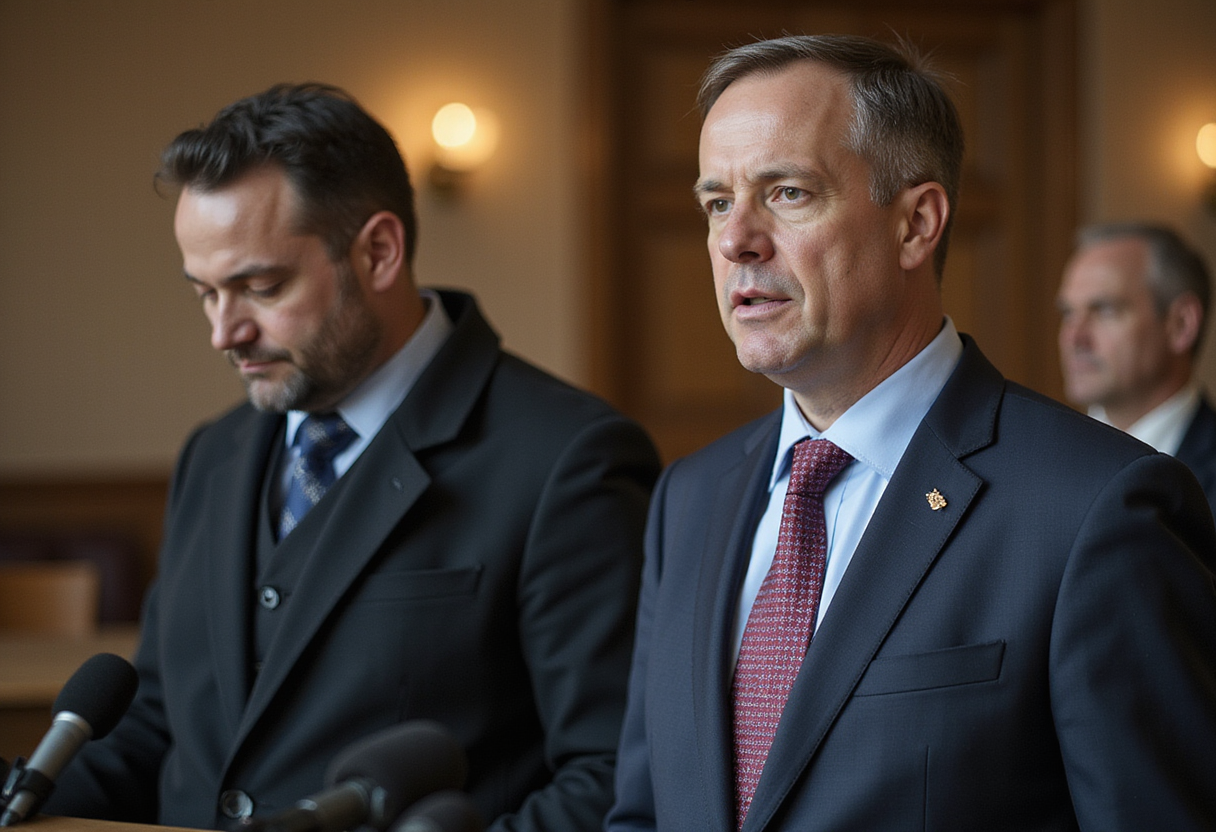
Kosovo's parliament publicly condemned war crimes verdicts issued by the European Union-backed Kosovo Specialist Chambers, slamming the rulings as unjust prosecutions of former Kosovo Liberation Army commanders who fought Serbian forces from 1998 to 1999.
The Assembly of Kosovo moved against the rulings within days of their issuance, framing them as politically motivated attacks on veterans who resisted Belgrade's security forces. Lawmakers argued the convictions diminish the sacrifice of fighters who defended ethnic Albanian civilians during a crackdown that NATO's 1999 air campaign ultimately halted.
What is the Kosovo Specialist Chambers?
The Kosovo Specialist Chambers operate under Kosovar law enacted in 2015 through legislation negotiated with the European Union, with the seat of the court and the Specialist Prosecutor's Office located in The Hague. The tribunal investigates and prosecutes allegations of crimes against humanity and war crimes committed during and in the immediate aftermath of the Kosovo War.
Its docket centers on senior KLA figures accused of abuses against Serbs, Roma, and ethnic Albanian political opponents. The Specialist Chambers sit apart from the International Criminal Tribunal for the former Yugoslavia (ICTY), which closed in 2017, and from the International Residual Mechanism for Criminal Tribunals (IRMCT), which handles ongoing ICTY matters.
The Kosovo court functions under a hybrid model drawing on Kosovar, EU, and international staff, judges, and prosecutors. It applies Kosovar criminal law as its substantive code, with Dutch host-state arrangements covering security and detention of suspects on transfer.
What did the Kosovo Assembly say?
Members of the Assembly used parliamentary debate to denounce the verdicts. The parliamentary majority characterized the Specialist Chambers as a foreign-imposed court that fails to prosecute crimes committed by Serbian forces during the war, an imbalance critics say the Specialist Prosecutor's Office did not address.
Lawmakers also questioned the court's territorial reach, noting that its legal foundation rests on a constitutional amendment adopted in 2015 rather than on a self-executing treaty ratified through Pristina's referendum machinery.
What does the ruling change for practitioners?
For practitioners advising clients on cross-border asylum, criminal cooperation, or asset-recovery matters tied to former KLA figures, the parliamentary backlash carries limited procedural effect. Convicted defendants retain a right of appeal to the Kosovo Specialist Chambers Appellate Panel under the court's statute. Suspect arrests and transfers remain governed by Kosovar cooperation obligations that Pristina has continued to honor despite political rhetoric.
Asset-freeze orders and witness-protection measures will continue to bind without alteration. Defense teams retain the right to challenge evidence obtained through the Specialist Prosecutor's Office on chain-of-custody and disclosure grounds.
Why does the political signal matter?
Kosovo accepted the Specialist Chambers framework in 2015 under pressure from Brussels, which conditioned visa liberalization and progress on the EU membership track on judicial cooperation with The Hague. A decade later, the political cost of that bargain is now visible inside the Assembly.
The vote signals the limits of EU leverage in a region where the 1998-99 war still structures domestic politics and party competition. A legislature that publicly attacks war crimes convictions may complicate future Sponsoring States' willingness to fund the Specialist Chambers, which run on voluntary contributions from EU member states, the United States, and other donors.
Domestic prosecutors and civil-society groups monitoring hate speech and intimidation around the verdict now carry a heavier burden of documenting threats against witnesses and defense counsel.
via GN War Crimes (Source)
More from Sophie Lindqvist
Show full bio
News editor covering industry trends and analytics at Global Law Wire.
201 articles
Also before the court
- EU Chief Urges Respect for Kosovo War Crimes Court as Thousands Rally
- Kosovo Lawmakers Condemn War Crimes Verdicts Against Rebel Leaders
- Protesters Clash With Kosovo Police Over War Crimes Court Law
- Kosovo Lawmakers Criticise EU Court's War Crimes Verdicts
- Kosovo Specialist Chambers Deliver Verdict in KLA Leaders' War Crimes Trial