Law report No. GLW-9502 · filed November 17, 2026
Courts & TribunalsReported case
Eight Impeachment Articles Filed Against Hegseth Over Boat Strikes and Speech
Rep. Massie's eight impeachment articles against Defense Secretary Hegseth allege 'extrajudicial killings' in 72 boat strikes that killed 244, and retaliation against Sen. Mark Kelly.
By Amara Osei3 min read677 words
Holding
- Rep. Thomas Massie introduced eight proposed articles of impeachment against Defense Secretary Pete Hegseth, considered by the House in November 2026.
- 72 military strikes on suspected drug boats since September 2025 have killed 244 people.
- Judge Richard Leon issued a preliminary injunction in February 2026 protecting Sen. Mark Kelly's speech as a military retiree.
- Hegseth's appeal is pending at the D.C. Circuit.
- Nearly 20 percent of the current Congress consists of retired service members, per the impeachment article.
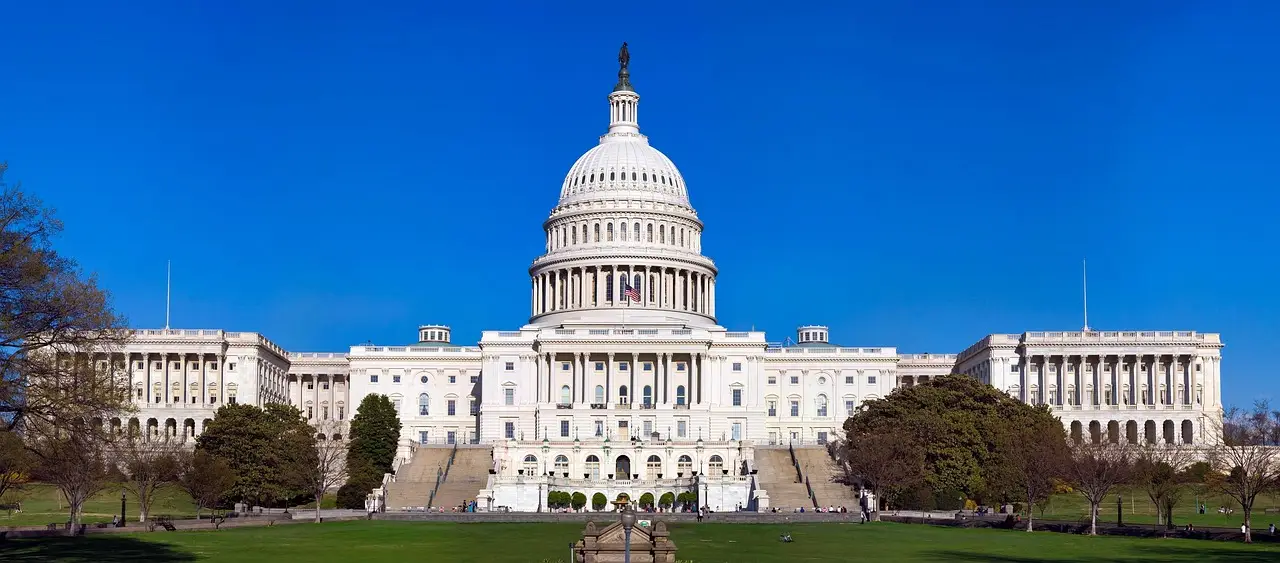
Eight proposed articles of impeachment now sit before the House of Representatives against Defense Secretary Pete Hegseth, and two of them break fresh legal ground: one alleges "extrajudicial killings," the other the suppression of free speech. Rep. Thomas Massie (R–Ky.) introduced the articles, which the House began considering in November 2026.
Most articles concern the prosecution of unauthorized wars. Two do not. Both, however, trace back to a single policy: the Trump administration's practice of summarily executing suspected cocaine smugglers at sea.
How many strikes, how many dead?
President Donald Trump announced the policy in September 2025. Since then, the U.S. military has carried out 72 strikes on suspected drug boats in the Caribbean and the eastern Pacific, killing 244 people. That averages out to roughly one strike every four or five days.
Hegseth defends the attacks as self-defense against members of "designated terrorist organizations" engaged in a "non-international armed conflict" with the United States. Drug policy specialists, law-of-war experts, and members of Congress have questioned that characterization from the outset.
What does the fifth article allege?
Massie's fifth article targets the killings directly. "Secretary Hegseth arrogated to himself and the Executive Branch the roles of judge, jury, and executioner and asserted a unilateral power to determine who may live and who may die," the article states, accusing the secretary of acting "without judicial process, without Congressional authorization, and without establishing a lawful basis for treating such persons or vessels as military targets."
Critics say the policy treats civilians as combatants who can be killed from a distance, in cold blood, without any semblance of due process.
What triggered the free speech article?
Sen. Mark Kelly (D–Ariz.), a former Navy pilot and Armed Services Committee member, repeatedly questioned the legal rationale for the strikes and suggested some may constitute war crimes. In November 2025, Kelly and five other Democratic legislators released a video reminding service members of their duty to "refuse illegal orders."
Hegseth responded with a formal censure. He threatened to reduce Kelly's retirement rank and pension, and warned the senator could face criminal prosecution for continuing his criticism. His stated basis: Kelly's conduct was "prejudicial to good order and discipline in the armed forces." His actual grievances, as catalogued in his own letter, included Kelly's refusal to be silenced, his vow that "intimidation would not work," his pledge that he would "ALWAYS defend the Constitution," and his complaint about "firing admirals and generals" in favor of "yes men."
The sixth article charges that Hegseth "weaponized the Department of Defense to retaliate against and intimidate Senator Mark Kelly" and pursued a course of conduct that would "chill the protected speech of millions of retired United States service members."
What did the courts say?
Kelly sued. In February 2026, U.S. District Judge Richard Leon, a George W. Bush appointee, issued a preliminary injunction barring any disciplinary action against the senator, holding that Kelly's video and comments were "unquestionably protected" by the First Amendment.
"No court has ever extended those principles to retired servicemembers, much less a retired servicemember serving in Congress and exercising oversight responsibility over the military," Leon wrote. "This Court will not be the first to do so!"
Hegseth appealed to the D.C. Circuit, which has not ruled but appeared disinclined at argument to endorse his claimed power over retirees' speech.
What is the constitutional stakes?
Massie's article spells out the arithmetic. Nearly twenty percent of the current Congress consists of retired service members. Subjecting their speech, and that of millions of other retirees, to Pentagon discretion "would constitute one of the most extraordinary expansions of Executive Branch power in the history of the United States."
Hegseth also asserted that the military, rather than Article III courts, holds supremacy to determine the constitutional rights of civilians. Leon disagreed. The D.C. Circuit will have its say.
The House must now decide whether the articles proceed. The numbers alone give the debate weight: 72 strikes, 244 dead, one censored senator.
via reason.com (Source)
More from Amara Osei
Show full bio
Senior reporter covering people, launches and day-to-day practice in International law and legal practice at Global Law Wire.
327 articles
Also before the court
- Ecuadorian Fishermen Sue US Over Caribbean Drone Strike and Detention
- Judge Denies Pseudonyms in Tren de Aragua Habeas Case
- Operation TorNado: 354 Arrests in Largest JCODE Dark-Web Takedown
- US Sanctions the ICC Itself as Trump Announces Russia Fuel Deal
- Trump Escalates Sanctions Campaign Against the ICC