Law report No. GLW-8102 · filed September 29, 2026
Courts & TribunalsReported case
DR Congo Sues Rwanda at International Court of Justice
The Democratic Republic of Congo has filed a case against Rwanda at the International Court of Justice, bringing decades of conflict between the neighbours before the UN's principal court.
By Grace Kim
Holding
- The Democratic Republic of Congo has filed a case against Rwanda at the International Court of Justice.
- The dispute stems from decades of conflict between the two neighbouring states.
- ICJ proceedings will turn first on jurisdiction, followed by written pleadings, hearings, and a binding judgment.
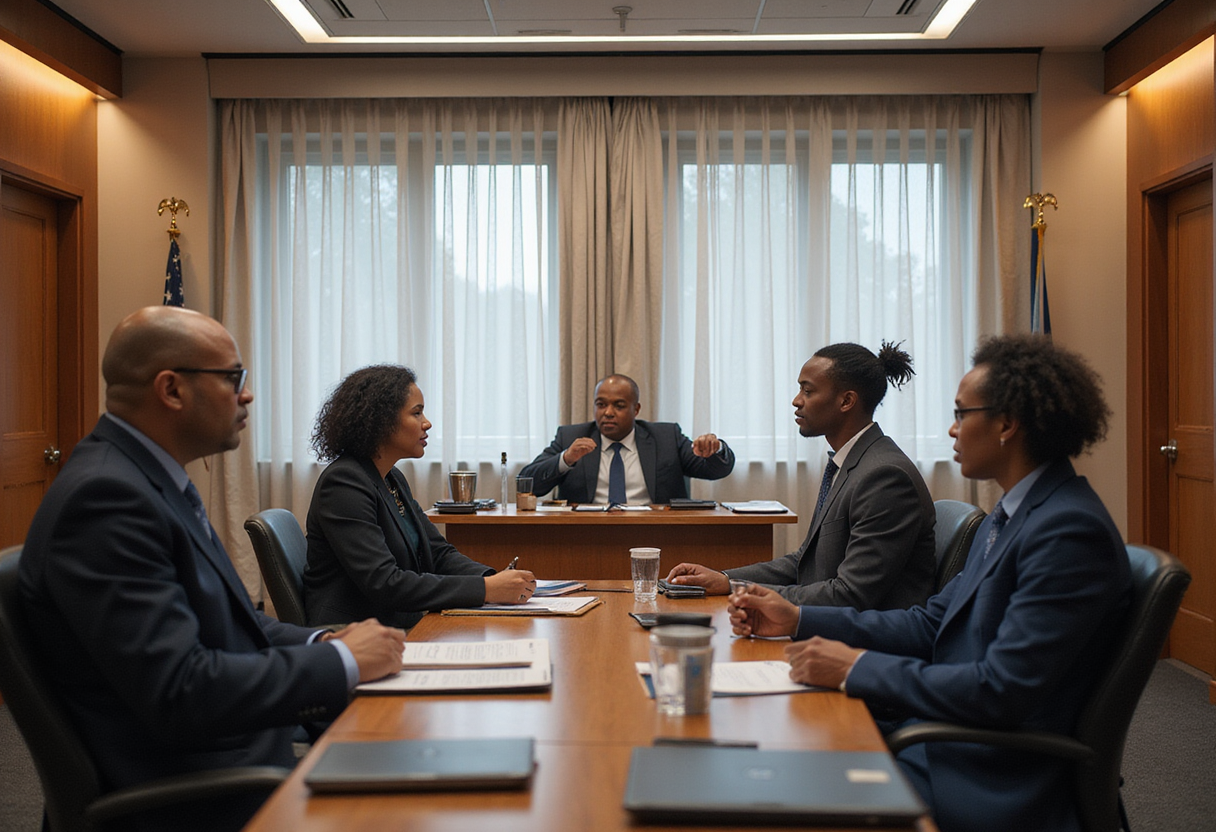
The Democratic Republic of Congo has filed a case against Rwanda at the International Court of Justice (ICJ) in The Hague, escalating a bilateral dispute rooted in decades of conflict between the two neighbouring states.
The filing, reported by the BBC, brings the long-running tensions between Kinshasa and Kigali before the United Nations' principal judicial organ. The ICJ, sometimes called the World Court, resolves legal disputes between states, and its jurisdiction rests on the consent of the parties through treaties, special agreements, or unilateral declarations accepting the court's compulsory jurisdiction.
What the filing means
By initiating proceedings, the Democratic Republic of Congo asks the court to rule on the legal responsibility of Rwanda in connection with the conflict that has destabilised the eastern regions of the country for years. Cases at the ICJ typically proceed in two stages: first, the court determines whether it has jurisdiction over the dispute; second, if jurisdiction is established, it examines the merits and issues a binding judgment.
The applicant state normally files a memorial setting out the facts and legal grounds of its claim. Rwanda, as respondent, will have the opportunity to file a counter-memorial. Proceedings before the court commonly take years from filing to final judgment, and either party may raise preliminary objections to jurisdiction at the outset, which can add further delay.
Practical consequences for practitioners
For counsel and foreign ministries tracking the docket, the case joins a growing list of African interstate disputes before the ICJ. Practitioners will watch closely for the jurisdictional basis Kinshasa invokes — whether a treaty instrument, the declarations under Article 36(2) of the ICJ Statute, or another ground — since Rwanda's consent will be the first battleground. States and organisations with interests in the Great Lakes region should also monitor whether the Democratic Republic of Congo seeks provisional measures under Article 41 of the Statute, which the court can grant on an expedited basis pending a final ruling. Any such request would trigger public hearings within weeks.
Background
The conflict between the two neighbours has persisted for decades, and relations have repeatedly deteriorated over the security situation in eastern DR Congo. The decision to take the dispute to the ICJ represents a formal legal channel for resolving the disagreement, moving it from the diplomatic and regional sphere to adjudication before an international court.
The ICJ's judgments are final and without appeal, and both states are UN members and parties to the court's Statute. Enforcement of judgments rests ultimately with the UN Security Council under Article 94 of the UN Charter, which provides that if a party fails to perform obligations under a judgment, the other party may have recourse to the Council.
The case will now follow the court's standard procedural calendar, with the filing of written pleadings followed by public hearings before the 15-judge bench. Judges ad hoc may be appointed by each party if no judge of their nationality sits on the court.
The filing marks a significant step in the legal dimension of one of Africa's most protracted interstate disputes, and the court's handling of the jurisdictional question will shape the trajectory of the case for years to come.
via GN International Courts (Source)
More from Grace Kim
Show full bio
Correspondent covering consumer brands and retail at Global Law Wire.
206 articles