Law report No. GLW-6426 · filed October 10, 2026
LegislationReported case
CCW Experts Adopt LAWS Report; 70 States Ready for Binding Treaty
The CCW's GGE LAWS reached consensus on 5 September 2026 on its 2024–2026 mandate report, with 70 of 128 States Parties now ready to negotiate a binding instrument on autonomous weapons.
By Sophie Lindqvist3 min read629 words
Holding
- 5 September 2026: GGE LAWS adopted its 2024–2026 mandate report by consensus in Geneva
- The CCW has 128 States Parties; at least 70 are ready to negotiate a legally binding instrument
- The report's operative language sits in paragraphs 25–44, setting out elements 'without prejudging' the instrument's nature
- The CCW Seventh Review Conference is scheduled for 16–20 November 2026
- Ambassador Robert in den Bosch of the Netherlands chaired the GGE LAWS for the full 2024–2026 mandate
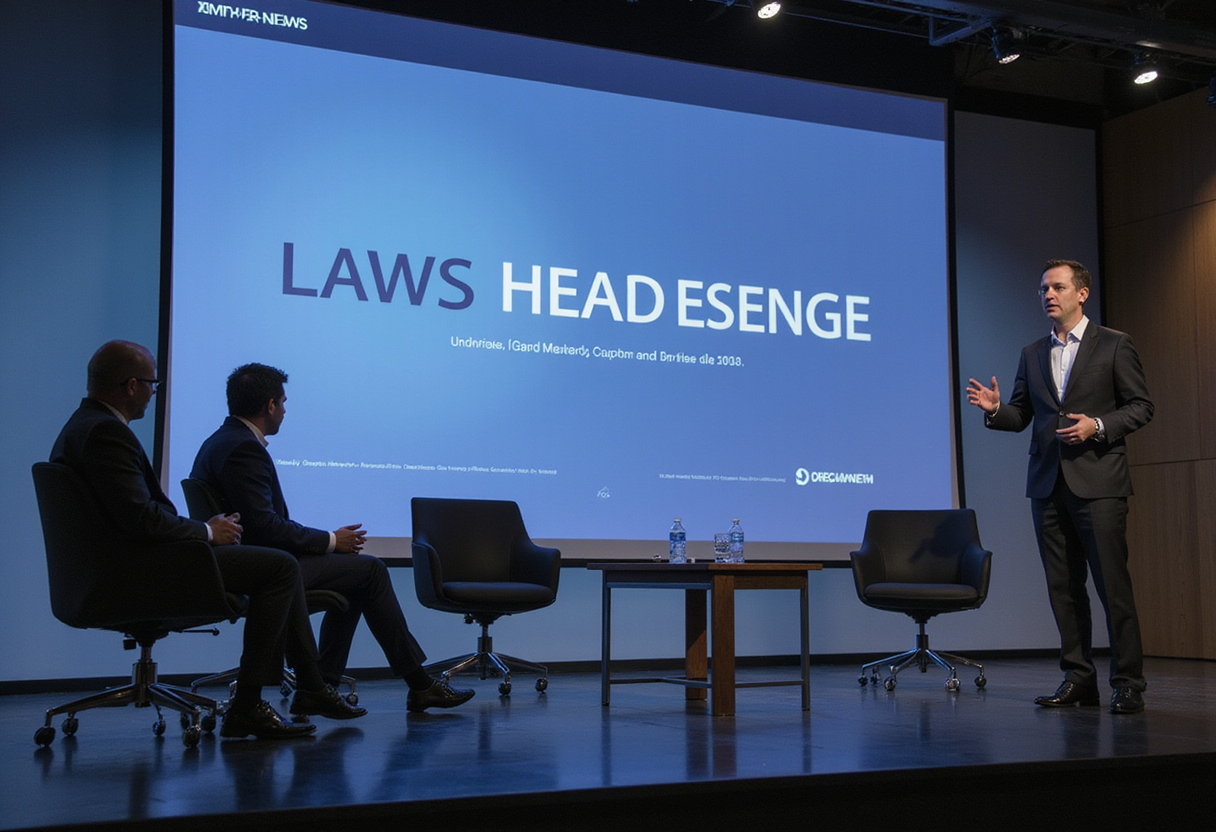
The Group of Government Experts on Lethal Autonomous Weapons Systems (GGE LAWS), operating under the UN Convention on Certain Conventional Weapons (CCW), reached consensus on its 2024–2026 mandate report in the early hours of 5 September 2026.
The agreement closes more than a decade of multilateral discussion on autonomous weapons regulation. It also sets the stage for the CCW's Seventh Review Conference, scheduled for 16–20 November 2026 in Geneva.
What does the report contain?
Paragraphs 25 through 44 of the report set out "a set of elements of an instrument, without prejudging its nature, and other possible measures to address emerging technologies in the area of lethal autonomous weapon systems."
The elements are, in the words of the symposium editors, a "repository of States' views." They record both what was agreed and what was not agreed. The text will likely form the basis of any future multilateral discussion, in any format or forum.
How broad is the support?
The CCW counts 128 States Parties, including major military powers. At least 70 of them now stand ready to move toward negotiations on a legally binding instrument.
The Chair, Ambassador Robert in den Bosch of the Netherlands, guided the process over three years. As he told the formal session in September 2026, the GGE's report represents the "end of the beginning."
What did the September session look like?
The final session was a marathon. Delegations proposed substantive amendments right up to the wire. At several points, consensus appeared out of reach.
The decision to hold much of the negotiation in informal sessions maximised usable time. It also had practical consequences. Delegations worked long hours in English without interpretation, without support from signatory and observer States, and without input from non-state delegations.
Contrary to common fears, the risk of collapse did not come from militarily powerful States. The flexibility of states seeking a strong text was tested by proposals that sought to dilute it.
What are the substantive limits?
The agreement is narrower than some delegations wanted on critical questions of control and human judgment. The editors flag "substantive shortcomings" in the text, portions of which will be examined in the symposium.
Their broader concern is that the narrow substantive agreement portends "how much work there may be in reaching future agreement on the law applicable in the development and use of LAWS."
What will the symposium examine?
The Opinio Juris series, introduced by Jessica Dorsey of Utrecht University, Rain Liivoja of the University of Queensland, Netta Goussac of the Stockholm International Peace Research Institute, Sally Longworth of Stockholm University, and Anna Andersson of the Swedish Defence Research Agency (FOI), will analyse the elements paragraph by paragraph.
- Rain Liivoja: characterization of LAWS in paragraph 25
- Sally Longworth: alignment with international humanitarian law (paragraphs 26–33)
- Anna Andersson: evolution of the "human element" (paragraphs 34–35)
- Netta Goussac: "lifecycle" measures (paragraphs 36–39)
- Jessica Dorsey: responsibility and accountability (paragraphs 40–43)
- Jeroen van den Boogaard: overall process reflections
All contributors participated in the GGE's work. They offer first-hand observations on the context in which the elements were adopted.
What happens next?
The Seventh Review Conference on 16–20 November 2026 will weigh whether to launch formal negotiations on a binding instrument. The September report marks a step beyond the 2019 Guiding Principles and the 2023 GGE report, both earlier milestones.
For practitioners and policy advisors, the practical takeaway is twofold. First, the elements now sit on the table as the working text for any future instrument. Second, the gap between the 70 states ready to negotiate and the 128-party consensus threshold will define the diplomatic terrain through November and beyond.
"The beginning may be over," the editors conclude, "but the work is far from done."
via spoileralerts.substack.com (Original)
More from Sophie Lindqvist
Show full bio
News editor covering industry trends and analytics at Global Law Wire.
201 articles
Also before the court
- GGE LAWS Reaches Consensus: 2026 Report Sets Out Autonomous Weapons Elements
- CCW GGE Adopts Consensus Characterisation of Lethal Autonomous Weapons
- CCW Consensus Text Weakens IHL Prohibitions on LAWS
- CCW GGE Adopts 'Control and Human Judgement' Formula for LAWS Report
- CCW Expert Group Adopts Lifecycle Measures for Autonomous Weapons