Law report · filed November 22, 2026
LegislationReported case
Senate Bans Prediction Markets on War, Terrorism and Death
The Senate unanimously passed the DEATH BETS Act, barring CFTC-regulated exchanges from listing contracts on war, terrorism, assassination and deaths. The House must act before January.
By Priya Raman3 min read659 words
Holding
- Senate passed the DEATH BETS Act by unanimous voice vote on Thursday evening.
- One trader won over $400,000 on Polymarket betting on Maduro's removal before U.S. forces captured him in January.
- Users under 21 wagered $3.9 billion on Kalshi, per Rep. Ro Khanna.
- The bill amends the Commodity Exchange Act but does not restrict sports contracts.
- The House must pass the bill before this Congress ends in January.
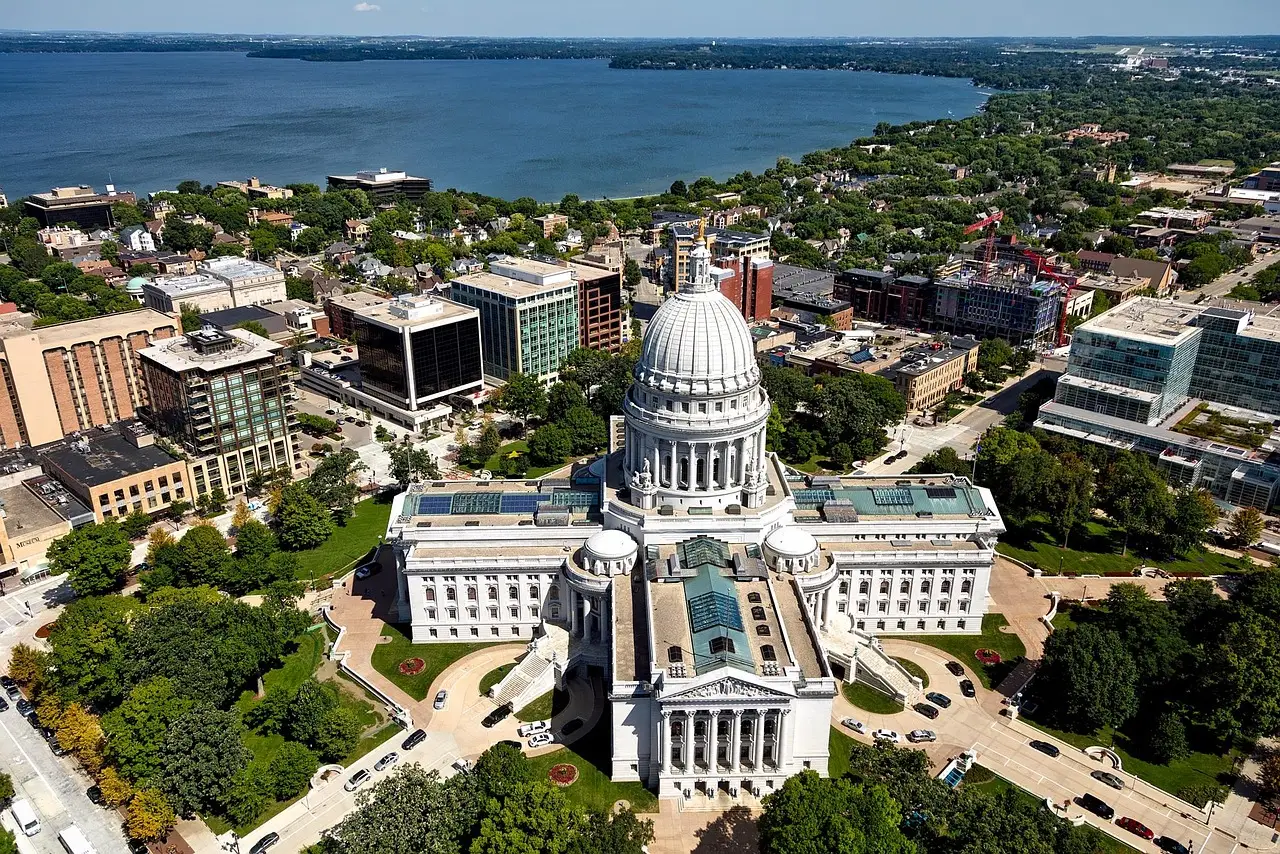
The U.S. Senate on Thursday evening passed the first bill targeting federally regulated prediction markets to clear either chamber of Congress — a bipartisan ban on contracts tied to war, terrorism, assassination and individual deaths.
The DEATH BETS Act, sponsored by Sens. Adam Schiff, D-Calif., and John Curtis, R-Utah, passed by voice vote after Schiff sought unanimous consent. Curtis's office confirmed the vote was unanimous. The measure now moves to the House, which must act before this Congress ends in January.
What does the bill actually prohibit?
The legislation amends the Commodity Exchange Act. It bars exchanges registered with the Commodity Futures Trading Commission from listing or clearing contracts involving terrorism, assassination or war.
The prohibition reaches further than its plain words. It would also block contracts that expressly reference U.S. military operations, or that are expected to settle mainly on whether a person dies — even if the contract wording never mentions death. That second clause matters. It targets the drafting workarounds platforms have already used.
"There should be no financial incentive to profit from terrorism, war, or the death of another human being," Curtis said in floor remarks released by his office.
Schiff went further. Such contracts, he said, "are offered with no regard for national security and in far too many cases, even basic morality." He added: "These markets are operating in a wild West, desperately in need of regulation and guardrails."
Which bets drew scrutiny?
Several concrete cases animated the legislation:
- One trader made more than $400,000 on Polymarket betting on Venezuelan leader Nicolas Maduro's removal, before U.S. forces captured him in January.
- Kalshi faced criticism over a contract on whether Iran's Supreme Leader Ali Khamenei would leave office. His killing triggered a payout dispute when Kalshi declined to pay traders, citing a rule excluding death as a qualifying outcome.
- Schiff pointed to a Polymarket bet on whether NASA's Artemis II mission would explode.
A Kalshi spokesperson told Fortune: "Kalshi has never listed death markets." True as far as it goes. The Khamenei dispute concerned a departure contract, not a listed death market. The distinction is doing quiet work in that statement.
What does the bill leave untouched?
The bill does not directly restrict sports contracts, which account for much of the trading volume on Kalshi and other federally regulated platforms. Senators adopted an amendment stating the bill does not change existing law on other event contracts, including gambling, and does not settle ongoing court fights between the CFTC and states over sports contracts.
The omission is deliberate, not an oversight. Sports is the industry's revenue core, and it remains contested territory rather than prohibited ground.
Other Democrats are pressing on that flank. Sen. Elizabeth Warren, D-Mass., pointed to Kalshi's pause on contracts tied to President Donald Trump's public remarks and wrote that the CFTC "needs to do more to stop insiders from cashing in." Rep. Ro Khanna, D-Calif., called for a ban on sports prediction markets, noting users under 21 had wagered $3.9 billion on Kalshi. "They call it a 'prediction market.' It's gambling," he wrote.
What comes next?
Three separate proposals now await action. Curtis and Schiff have introduced the Prediction Markets Are Gambling Act, which would bar sports-style and casino-style contracts on federally regulated exchanges. Sen. Ted Cruz, R-Texas, plans a separate bill requiring state or tribal approval for sports contracts.
The political backdrop is shifting. Democrats won both chambers in this month's midterms and are stepping up scrutiny of the industry. Kalshi cut ties with Donald Trump Jr. last week as that scrutiny grew. A Senate vote, however, is not a law. The House clock runs out in January, and nothing in Thursday's voice vote guarantees the chamber will move.
In plain words: the Senate has banned death markets, left sports markets alone for now, and handed the House a deadline.
via conservativedailynews.com (Source)
More from Priya Raman
Show full bio
Staff writer covering companies, deals and strategy in International law and legal practice at Global Law Wire.
377 articles