Law report · filed November 25, 2026
Trade LawReported case
USTR Proposes Tariffs Up to 35% on 14 Trading Partners
USTR Jamieson Greer invoked Section 301 to propose tariffs up to 35% on 14 economies including China and the EU. No duty takes effect before hearings that begin January 25.
By Grace Kim3 min read597 words
Holding
- USTR proposed tariffs of up to 35% on 14 trading partners under Section 301 of the Trade Act of 1974.
- Comments are due Jan. 5, 2027; hearings begin Jan. 25.
- China's proposed 20% rate would stack on roughly 25% first-term tariffs, bringing duties near 45%.
- 62% of Americans in a post-midterm Reuters/Ipsos poll support repealing the tariffs.
- The S&P 500 fell 2.2% as investors weighed the tariffs and hotter inflation.
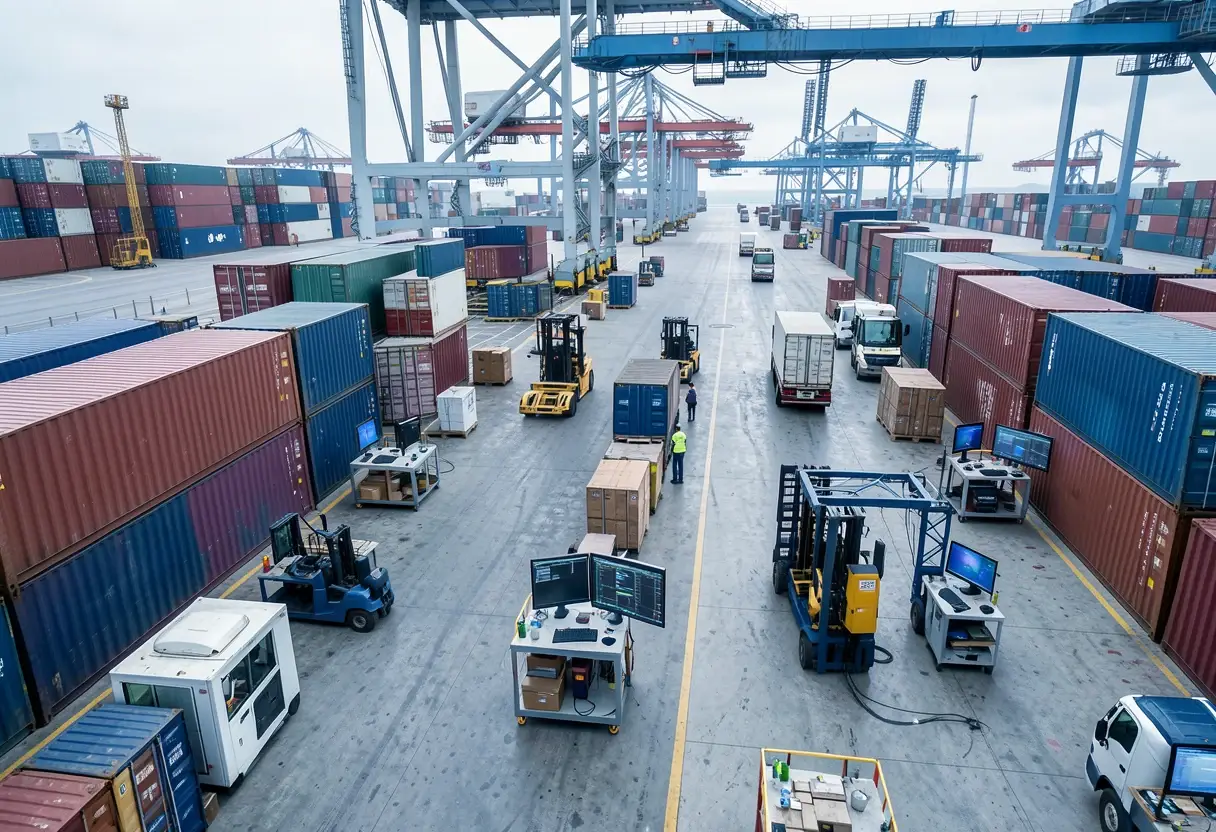
The U.S. Trade Representative proposed tariffs of up to 35% on goods from 14 trading partners on Wednesday, but none of the duties would take effect before public hearings scheduled for late January.
U.S. Trade Representative Jamieson Greer found that the 14 economies' policies building "structural excess capacity" in manufacturing are unreasonable and burden U.S. commerce under Section 301 of the Trade Act of 1974, his office said. The 14 targets include China, the European Union, and Japan.
What rates does each partner face?
The proposed top rates, according to the trade representative's office:
- Vietnam: up to 35%, or 20% if it reaches a trade deal
- India: up to 25%, or 17% with a deal
- China: up to 20% on most goods and 10% on some others
- Singapore: up to 20%
- Bangladesh, Cambodia, Indonesia, Malaysia, Thailand: up to 18%
- European Union: 15%
- Japan, South Korea, Switzerland, Taiwan: up to 15%
Mexico and Norway, part of the original 16-economy probe reported Tuesday, received no determination for now, the office said.
For importers and trade counsel, the practical effect is mostly modest layering rather than wholesale new exposure. Greer said most rates are "not really additive" and generally will not stack on existing duties. "When it all nets out, it really will just top up a few percentage points," he told CNBC.
China is the exception. A senior official said its 20% rate would come on top of first-term tariffs of roughly 25%, putting duties on Chinese goods near 45%, CNBC reported.
What does the ruling change for practitioners?
For every country but China, the proposals exempt goods already covered by Section 232 tariffs. That carve-out covers steel, aluminum, copper, cars, light trucks, auto parts, wood products, patented drugs, and semiconductors, according to a LexBlog summary of the notices.
The tariffs would also skip about $30 billion of Chinese imports that Washington and Beijing are weighing for tariff cuts, Reuters reported.
Practitioners should calendar two dates now. Written comments and requests to testify are due January 5, 2027, and hearings begin January 25, the trade office said. The China rate stays within the 20% cap in a trade truce with Beijing that expires January 10, a U.S. official said, Reuters reported.
Takeaway: companies sourcing from the 14 listed economies have roughly two months to file comments before any duty takes effect.
How did markets and Beijing respond?
Stocks fell as investors weighed the tariffs alongside hotter inflation and a slide in AI shares. The S&P 500 was down 2.2% around noon Eastern, the Associated Press reported.
Core prices in the Federal Reserve's preferred inflation gauge rose 3.3% from a year earlier in October, above the 3.2% forecast, Yahoo Finance reported. Markets close Thursday for Thanksgiving and reopen Friday for a half day.
China rejected the premise of the finding outright. "The so-called 'overcapacity' does not really exist," its foreign ministry said, according to CNBC.
Greer defended the determinations in blunt terms. He said trading partners have used "wage and labor suppression," subsidies, and other practices "that tilt the trade balance in their favor while eroding America's manufacturing base," his office said.
Public opinion also cuts against the existing regime. The administration's tariffs have contributed in part to higher consumer prices, and 62% of Americans in a post-midterm Reuters/Ipsos poll said they would support efforts to repeal them, Reuters reported.
Takeaway: the proposal landed on a market already nervous about inflation, and Beijing shows no sign of accepting the Section 301 premise.
via conservativedailynews.com (Source)
More from Grace Kim
Show full bio
Correspondent covering companies, deals and strategy in International law and legal practice at Global Law Wire.
374 articles
Also before the court
- Trump Administration Prepares Tariffs for 16 Trading Partners
- Trump Proposes New Tariffs on 14 Partners, Doubling China Levy to 40%
- U.S. and China Extend Trade Truce, Move on Tariff Cuts
- Trade Court Rules Trump's 10% Global Tariff Illegal
- Bessent Publicly Faults Commerce Over Nvidia Chip Export Controls