Law report No. GLW-5271 · filed October 14, 2026
Courts & TribunalsReported case
US Judge Blocks Trump Sanctions on Two ICC-Support Groups
A US federal judge has blocked Trump administration sanctions on two organizations supporting the ICC, restoring their access to the US financial system.
By Sophie Lindqvist4 min read768 words
Holding
- A US federal judge blocked Trump administration sanctions on two organizations aiding the International Criminal Court.
- The ruling restores the two groups' access to the US financial system while it stands.
- The decision is a judicial check on the administration's ICC pressure campaign.
- The injunction covers the two plaintiffs; the broader sanctions authority remains intact.
- An appeal by the government is expected.
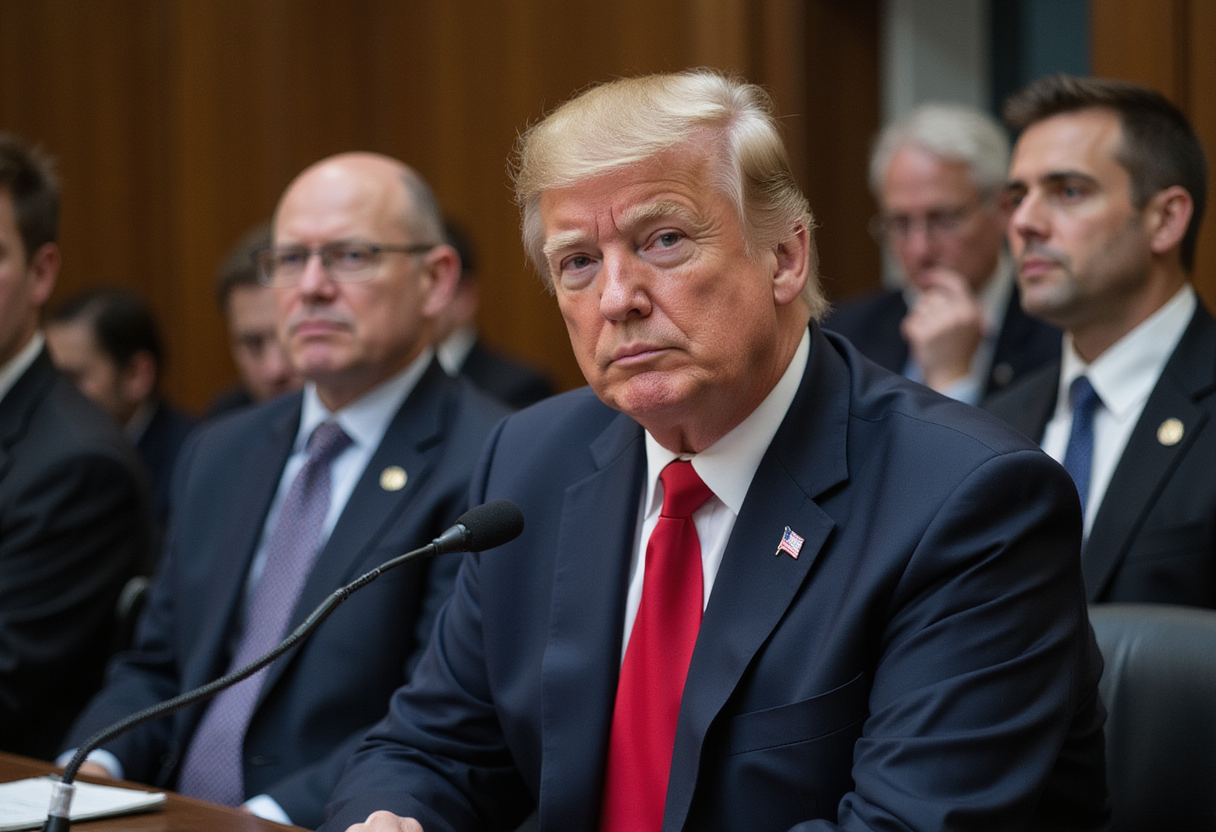
A US federal judge has blocked the Trump administration's sanctions against two organizations that support the International Criminal Court, delivering a legal setback to the White House's effort to punish actors tied to the Hague-based tribunal.
The ruling halts the sanctions in their tracks for the two named groups. It marks the first judicial check on the administration's ICC pressure campaign to reach a court decision, and it gives the affected organizations immediate breathing room to resume work that the sanctions had frozen.
The decision arrives amid an escalating standoff. The Trump administration has targeted the International Criminal Court because of its investigations touching US allies and personnel. Sanctioning aid groups and service providers was one of the pressure points. Now a judge has said no — at least for these two plaintiffs.
What did the court decide?
The court sided with the two organizations that challenged the sanctions. The judge ruled that the administration cannot apply the punitive measures to these groups. The practical effect: their access to the US financial system and their ability to transact with American counterparties is restored while the ruling stands.
Sanctions of this kind (meaning financial restrictions that freeze assets and cut off dollar transactions) work by making a target radioactive for banks. Once a group lands on a sanctions list, private institutions typically refuse to deal with it even where the law would allow it. That over-compliance effect is the real weapon, and the court's order now blunts it for the two plaintiffs.
Why were these groups sanctioned?
The two organizations were punished for aiding the ICC. The administration's stance is that the court lacks jurisdiction over the United States and its allies, and that anyone helping the tribunal investigate Americans or allied nationals exposes themselves to consequences.
That logic treats support services for the ICC — legal assistance, advocacy, technical cooperation — as conduct worth sanctioning. The affected groups disagreed and went to court. They argued the sanctions punished them for activity that is lawful and, in their view, protected.
The judge agreed with enough of that argument to block the measures.
What does the ruling change?
For the two organizations, everything immediate changes. They can bank again. They can receive funds. Partners no longer face the risk of touching a sanctioned entity when they work with these groups.
For practitioners, the ruling opens a lane. Lawyers advising NGOs, law firms, and service providers entangled by ICC-related sanctions now have a court decision they can cite in challenge proceedings. The order signals that courts will scrutinize how the administration wields this sanctions authority, not just whether it holds the power in the abstract.
Three practical takeaways for counsel:
- Compliance desks should re-screen. Entities that de-risked off these two groups after the sanctions were announced can and should reassess, because a court order now shields them.
- Other affected parties have a template. The challenge succeeded once. Organizations in similar positions will study the winning arguments and copy them.
- Expect an appeal. A district-level loss on sanctions policy rarely ends the story, and the government has every incentive to seek reversal.
Is the broader sanctions program dead?
No. The ruling covers the two plaintiffs who sued. It does not, on its own, strike down the underlying authority the administration used to impose sanctions in the first place.
That distinction matters. A targeted injunction (a court order protecting specific parties) is narrower than a program-wide vacatur (wiping the measure off the books entirely). Other organizations could still face sanctions unless they bring their own challenges or a higher court broadens the ruling.
The administration retains the tool. It has simply lost the ability to use it against these two groups, for now.
What comes next?
Two paths. The government can appeal, testing whether higher courts agree that the sanctions overreached. Or it can regroup and re-craft its measures to survive scrutiny — tighter findings, more tailored designations, a stronger administrative record.
Either way, the courtroom fight has begun. The administration's ICC sanctions strategy now has a judge standing in its path, and the two organizations that sued have their operations back. For everyone else watching from the sidelines — NGOs, banks, and law firms weighing exposure — the message is that these sanctions are challengeable, and challenges can win.
The case also previews a wider collision. Executive sanctions power meets judicial review. The administration wants maximal flexibility to punish ICC-linked actors. The courts are signaling that flexibility has limits. Where exactly those limits sit is the question the appeals will have to answer.
via GN War Crimes (Source)
More from Sophie Lindqvist
Show full bio
News editor covering people, launches and day-to-day practice in International law and legal practice at Global Law Wire.
239 articles