Law report No. GLW-4234 · filed October 10, 2026
Courts & TribunalsReported case
US Enters Gaza Genocide Case at ICJ, Calls Allegations 'False'
The United States has intervened in South Africa's genocide case against Israel at the International Court of Justice, publicly labeling the allegations 'false' in a move that signals substantive engagement with the dispute.
By Marcus Bennett3 min read604 words
Holding
- US intervened in South Africa's genocide case against Israel at the International Court of Justice
- US characterized the genocide allegations as 'false'
- South Africa filed the case under the 1948 Convention on the Prevention and Punishment of the Crime of Genocide
- The ICJ, the principal UN judicial organ, sits in The Hague
- More than a dozen states have filed declarations in the case
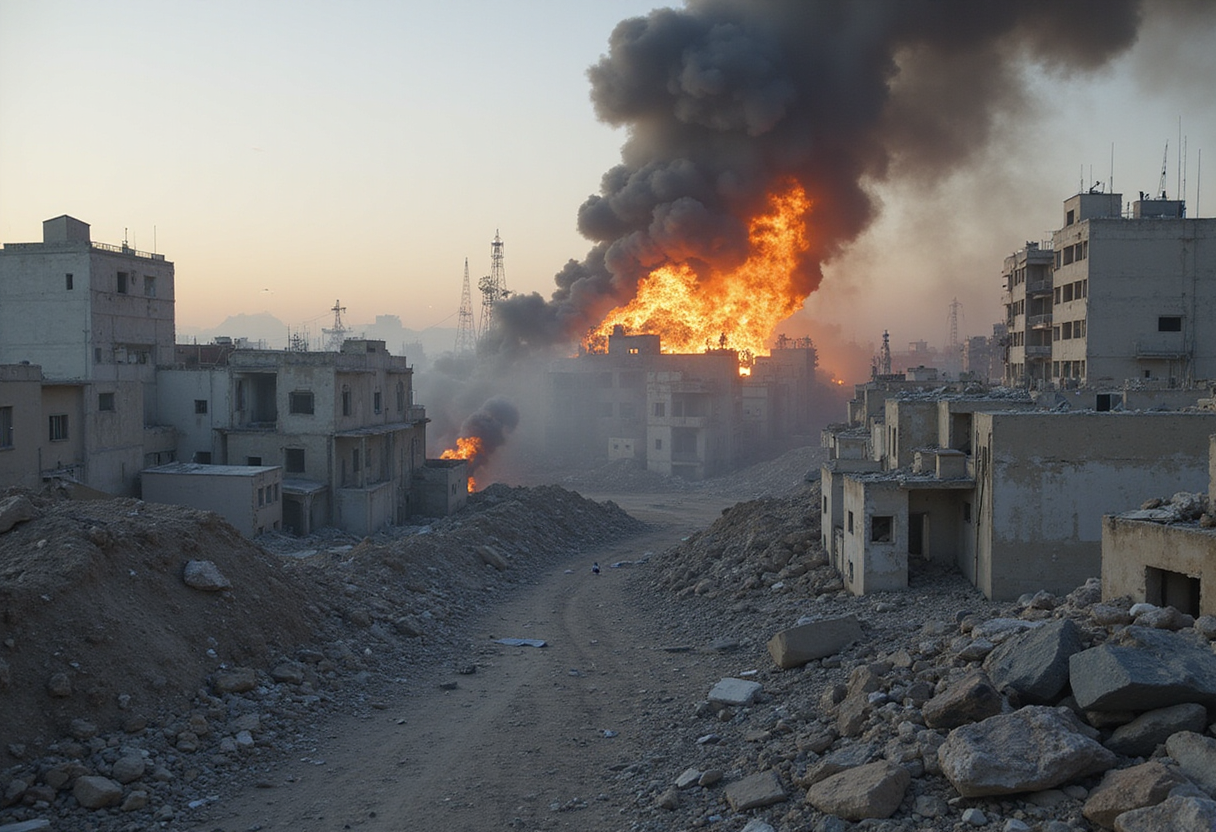
The United States has intervened in the Gaza genocide case at the International Court of Justice, publicly characterizing South Africa's allegations against Israel as "false." The intervention places Washington squarely on the record in the highest-profile international legal dispute of the moment.
The "world court" reference points to the ICJ, the principal judicial organ of the United Nations based in The Hague. The intervention signals substantive engagement with one of the most-watched cases in the court's recent history.
What is the underlying case?
South Africa initiated proceedings against Israel at the ICJ under the 1948 Convention on the Prevention and Punishment of the Crime of Genocide. The application accuses Israel of committing genocide against Palestinians in Gaza. Israel rejects the characterization and calls the case legally baseless.
The court has issued provisional measures ordering Israel to prevent acts of genocide and to enable humanitarian assistance. Hearings on the merits continue in stages.
The case has drawn a record number of third-party submissions. More than a dozen states have filed declarations supporting one side or the other, according to court records. The docket now rivals the ICJ's busiest periods for state-to-state litigation.
What did the US do?
By labeling the genocide allegations "false," the US has moved beyond a routine procedural appearance. The word "false" directly contests the factual premise of South Africa's application. It is a substantive denial, not a procedural footnote.
US participation in ICJ proceedings typically follows one of two procedural paths:
- A declaration of intervention under Article 63 of the ICJ Statute, available to parties to a multilateral convention undergoing construction
- A written submission on preliminary objections or jurisdictional questions
The exact route the US chose will determine the legal weight of its filing and whether the court treats the views as binding interpretive input or as commentary.
Why does it matter for practitioners?
The intervention carries diplomatic and signaling value, even if it does not bind the court's eventual judgment. For governments advising on international obligations, for humanitarian organizations assessing compliance, and for sanctions and export-control practitioners, the filing is a data point on state alignment.
States that share treaty obligations with Israel under the Genocide Convention could follow the US into the proceedings. A cluster of Article 63 interventions would mark a coalition of states contesting the construction South Africa urges on the court.
The filing also reshapes the political backdrop against which the court will weigh the evidence. Practitioners advising on geopolitical risk, sovereign immunity, and treaty compliance now have another state position to factor into client briefings.
What changes for legal teams?
For practitioners monitoring the docket:
- Track the US filing's procedural classification to gauge scope.
- Watch for analogous filings by third states, which often arrive in clusters.
- Treat the "false" characterization as a political signal distinct from any legal finding the court will issue on the merits.
- Note any US reservation or limitation on the scope of its intervention.
- Consider downstream implications for sanctions policy and export-control reviews.
What happens next?
The ICJ continues its consideration of South Africa's application. The court's judgment on jurisdiction, and eventually on the merits, will turn on the evidence and legal arguments the parties present — not on third-party characterizations. Those characterizations often surface in pleadings, in press coverage of hearings, and in the official record.
Until the full text of the US filing becomes public, the precise scope of Washington's submission remains the central question for observers. The court's eventual decision on jurisdiction will shape whether the merits phase proceeds at all.
via GN International Courts (Source)
More from Marcus Bennett
Show full bio
Market editor covering marketplaces and e-commerce at Global Law Wire.
192 articles
Also before the court
- US Intervenes at ICJ to Defend Israel in Genocide Case
- ICJ to Hear Germany's Objections in Nicaragua's Gaza Genocide Case
- Iceland and Netherlands Seek to Intervene in ICJ Genocide Case Against Israel
- Nicaragua urges ICJ to reject Germany's Gaza genocide case dismissal
- Germany Moves to Quash Nicaragua's 'Genocide Facilitation' Case at ICJ