Law report No. GLW-3262 · filed October 16, 2026
Courts & TribunalsReported case
UN General Assembly Backs Landmark Climate Court Opinion
The UN General Assembly has backed a landmark advisory opinion on climate change, adding political weight to a ruling that binds no state but will shape climate litigation worldwide.
By Priya Raman3 min read549 words
Holding
- The UN General Assembly formally backed a landmark advisory opinion on climate change.
- The Assembly had itself requested the advisory opinion before the court issued it.
- Advisory opinions are non-binding on states; the backing adds political, not legal, force.
- Practitioners expect the opinion to be cited in climate litigation, regulatory review and settlement negotiations.
- The resolution sets no emissions ceiling, sanctions or compensation mechanism.
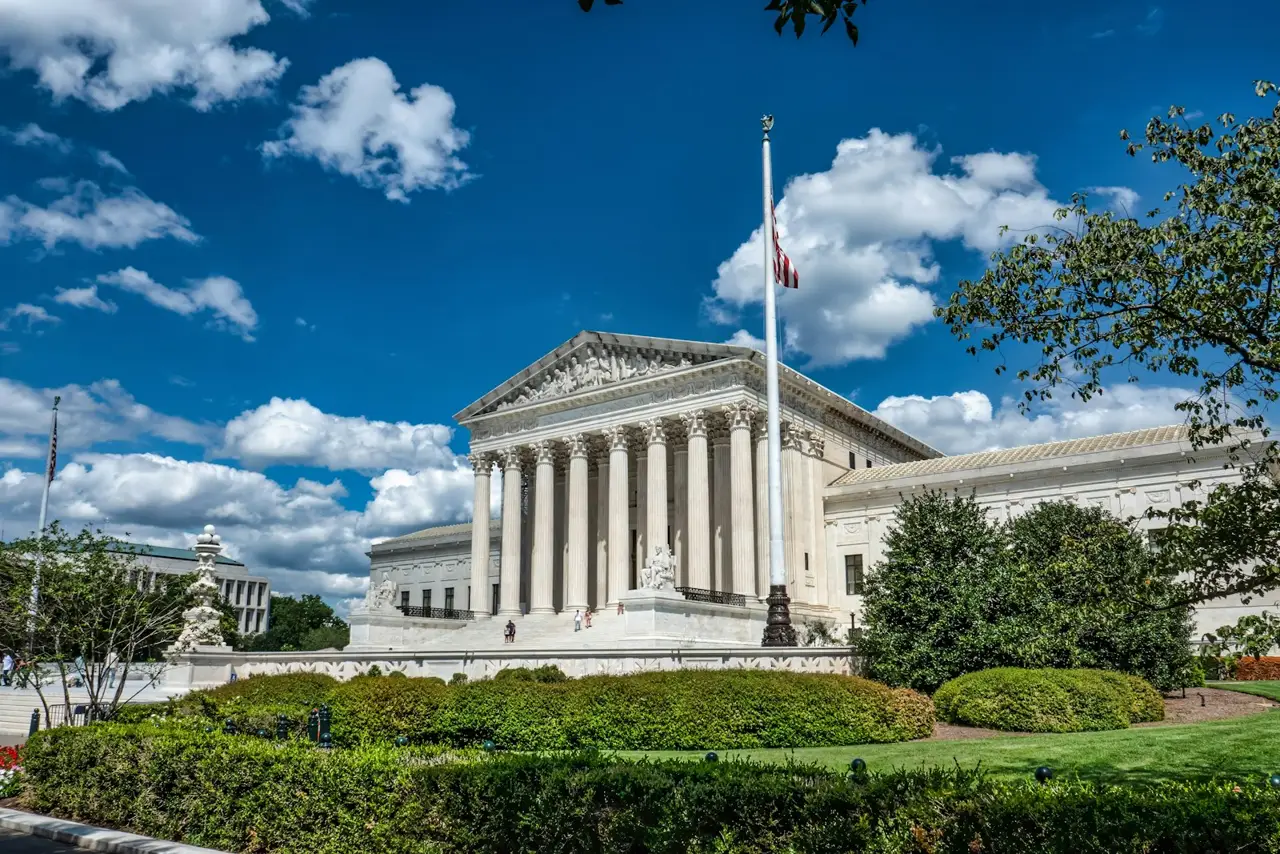
The United Nations General Assembly has formally backed a landmark advisory opinion on climate change, giving political endorsement to a judicial pronouncement that many states and advocacy groups had sought for years. The Assembly's decision does not create new binding law. It does, however, sharpen the legal backdrop against which climate litigation, regulatory design and fossil-fuel project approvals will now be argued.
What did the General Assembly actually decide?
The Assembly adopted a resolution welcoming the advisory opinion, which the world's principal judicial organ had issued at the request of the Assembly itself. That sequence matters. The Assembly asked the court the question; the court answered; the Assembly then endorsed the answer. Whether that endorsement converts soft words into hard obligations is the question practitioners are now testing.
An advisory opinion, by definition, binds no state on its own. The Assembly's backing adds political weight, not legal force. But courts and tribunals confronting climate claims frequently cite such pronouncements as evidence of settled expectations.
Why does this matter for practitioners?
The opinion and its subsequent endorsement give litigants a structured framework for arguing that states owe duties, grounded in international law, to prevent significant harm from greenhouse-gas emissions. Expect three practical consequences.
- Litigation leverage. Claimants in domestic and international fora will cite the opinion when pressing governments on emissions targets and on the adequacy of adaptation measures.
- Regulatory scrutiny. Agencies approving energy and infrastructure projects may face renewed arguments that climate impacts were not assessed against the standards the opinion articulates.
- Settlement posture. States and companies defending climate suits will need to explain why the opinion's reasoning does not apply to their conduct.
Each consequence carries a caveat. None of it is automatic. The gap between endorsement and enforceable duty is where the litigation will live.
What is not said?
The resolution, by its nature, imposes no sanctions, sets no emissions ceiling and creates no compensation mechanism. States that endorsed the opinion did not thereby accept liability for climate harm. Companies received no new compliance checklist. The UN Environment Programme, in reporting the development, framed the opinion's importance in terms of its influence on future legal reasoning rather than its immediate coercive effect.
That framing deserves scrutiny. Influence is measurable only over years, through citation counts in judgments and the content of domestic legislation. Anyone promising overnight transformation of climate law is ahead of the evidence.
What does the backing change?
For governments, the practical effect is reputational and procedural. A state that endorsed the opinion, then legislates inconsistently with it, hands opponents a ready-made argument. For corporations, the opinion supplies a reference point that plaintiffs' counsel will attach to pleadings, disclosure statements and due-diligence reviews. For smaller states vulnerable to climate impacts, the Assembly's move offers diplomatic support for claims they could not previously press with equal force.
Still, the endorsement leaves the hardest questions unanswered: who pays for climate damage, and through what forum. The court's opinion did not, and could not, resolve those questions. The Assembly's resolution did not attempt to.
The bottom line, in plain words: the world's legislature has applauded a court's climate reasoning, and that applause will echo through courtrooms, even though nothing in it compels anyone to act.
via GN International Courts (Source)
More from Priya Raman
Show full bio
Staff writer covering companies, deals and strategy in International law and legal practice at Global Law Wire.
266 articles