Law report No. GLW-6420 · filed September 29, 2026
Courts & TribunalsReported case
UN General Assembly Backs ICJ Advisory Opinion on Climate
The UN General Assembly has endorsed the ICJ's landmark advisory opinion on states' climate obligations, boosting its weight in litigation and treaty interpretation worldwide.
By Marcus Bennett3 min read549 words
Holding
- The UN General Assembly formally backed the ICJ's advisory opinion on the climate crisis.
- The ICJ opinion addresses states' obligations under international law regarding climate change.
- Advisory opinions are non-binding but carry substantial legal and interpretive weight.
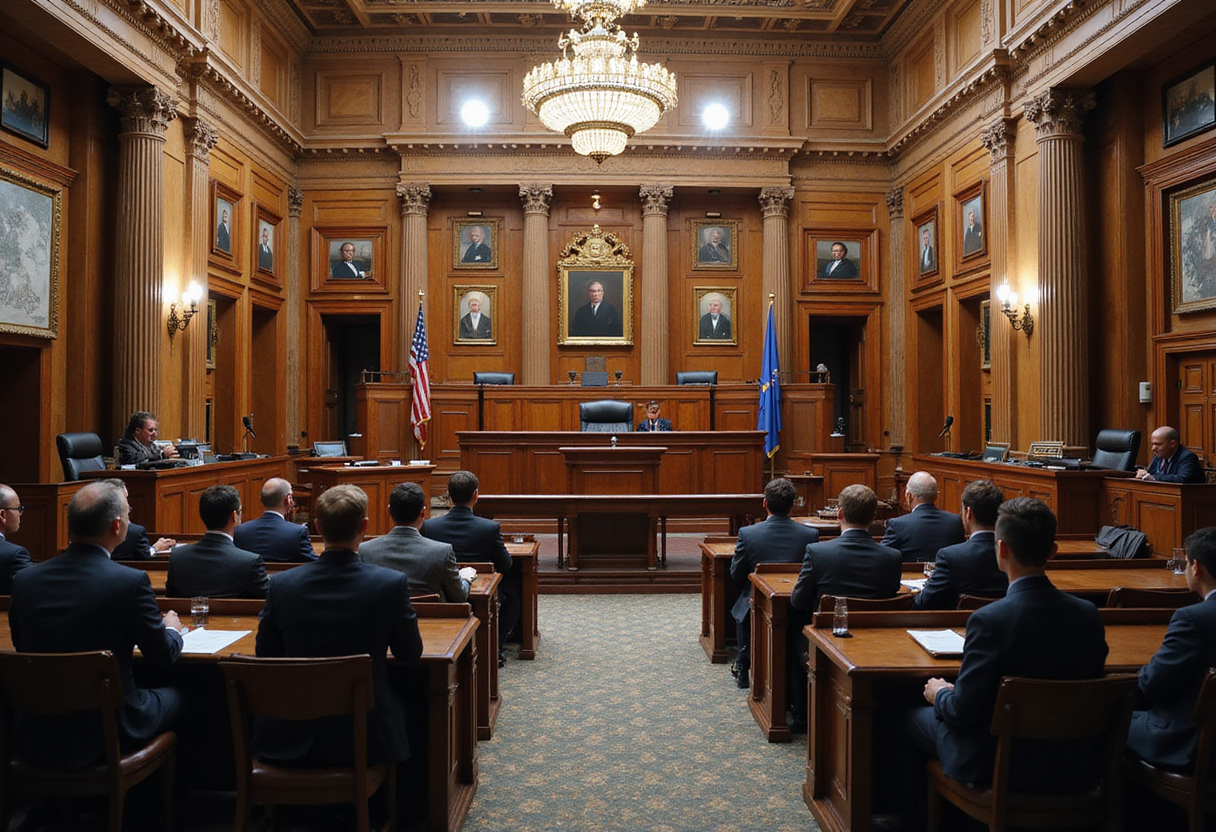
The United Nations General Assembly has formally backed the historic advisory opinion issued by the International Court of Justice (ICJ) on the climate crisis, giving the World Court's findings explicit political endorsement from the UN's principal deliberative body.
The General Assembly's action marks the culmination of a process that the assembly itself set in motion when it requested the ICJ's opinion on the obligations of states under international law with respect to climate change. The court's ruling addressed what states owe one another — and future generations — in limiting emissions, preventing harm, and repairing damage already done.
What the Assembly decided
By adopting the measure, the General Assembly threw its institutional weight behind the ICJ's opinion. While advisory opinions are not binding in the way judgments in contentious cases are, they carry significant legal weight, and the assembly's endorsement signals broad member-state acceptance of the court's reasoning.
The decision places the ICJ's conclusions before the full UN membership and invites governments to align their conduct with the court's articulation of states' climate obligations under international instruments, including the climate treaty regime and the law of the sea.
Why the ruling matters
The ICJ opinion stands as one of the most consequential pronouncements ever issued by the World Court on environmental questions. Campaigners and climate-vulnerable states pursued the advisory route precisely because it allows the court to clarify legal duties across the entire international community, rather than resolving a dispute between specific litigants.
The General Assembly's endorsement strengthens the opinion's practical force. International tribunals, negotiators, and domestic courts routinely cite ICJ advisory opinions when interpreting overlapping obligations, and a resolution of the assembly reinforces the view that the court's reasoning reflects a shared understanding of the law rather than an isolated judicial position.
Consequences for practitioners
For legal advisers and litigators, the opinion — now backed by the assembly — will shape climate litigation and treaty interpretation for years. States preparing defense or advisory memoranda on climate policy, financiers assessing exposure to climate-related claims, and counsel for small island and other climate-vulnerable states can all draw on the court's articulation of the applicable obligations. The opinion is expected to feature in domestic proceedings, in negotiations over loss and damage, and in disputes concerning the marine environment.
The trajectory from assembly request to court opinion to assembly endorsement also demonstrates a deliberate strategy: using the UN's political organs to generate authoritative legal guidance. Legal teams tracking the follow-through — including whether the opinion informs future treaty drafting or state conduct in climate negotiations — will treat the assembly's action as a reference point.
What comes next
Attention now turns to implementation. The General Assembly's backing invites, but does not compel, national action. How states incorporate the court's reasoning into their climate policies, and how domestic and international courts rely on the opinion in subsequent cases, will determine its ultimate significance.
The United Nations has framed the development as historic, reflecting the scale of what the court undertook: a comprehensive statement of states' legal responsibilities in the face of the climate crisis. The assembly's endorsement closes one chapter and opens another, in which the opinion's legal authority meets the test of practice.
via GN International Courts (Source)
More from Marcus Bennett
Show full bio
Market editor covering marketplaces and e-commerce at Global Law Wire.
192 articles