Law report No. GLW-6136 · filed October 16, 2026
LegislationReported case
Ukraine's Parliament Passes Law Imposing VAT on E-commerce and International Parcels
The Ukrainian Parliament has passed a law imposing VAT on e-commerce transactions and international packages, reshaping tax obligations for online sellers and importers.
By Grace Kim3 min read623 words
Holding
- The Ukrainian Parliament, the Verkhovna Rada, has passed a law imposing VAT on e-commerce and international packages.
- The law extends VAT to online purchases of goods and to parcels imported into Ukraine from abroad.
- Foreign sellers, marketplaces and logistics operators handling inbound parcels face new tax obligations under the statute.
- The law awaits presidential signature and official publication before it enters into force.
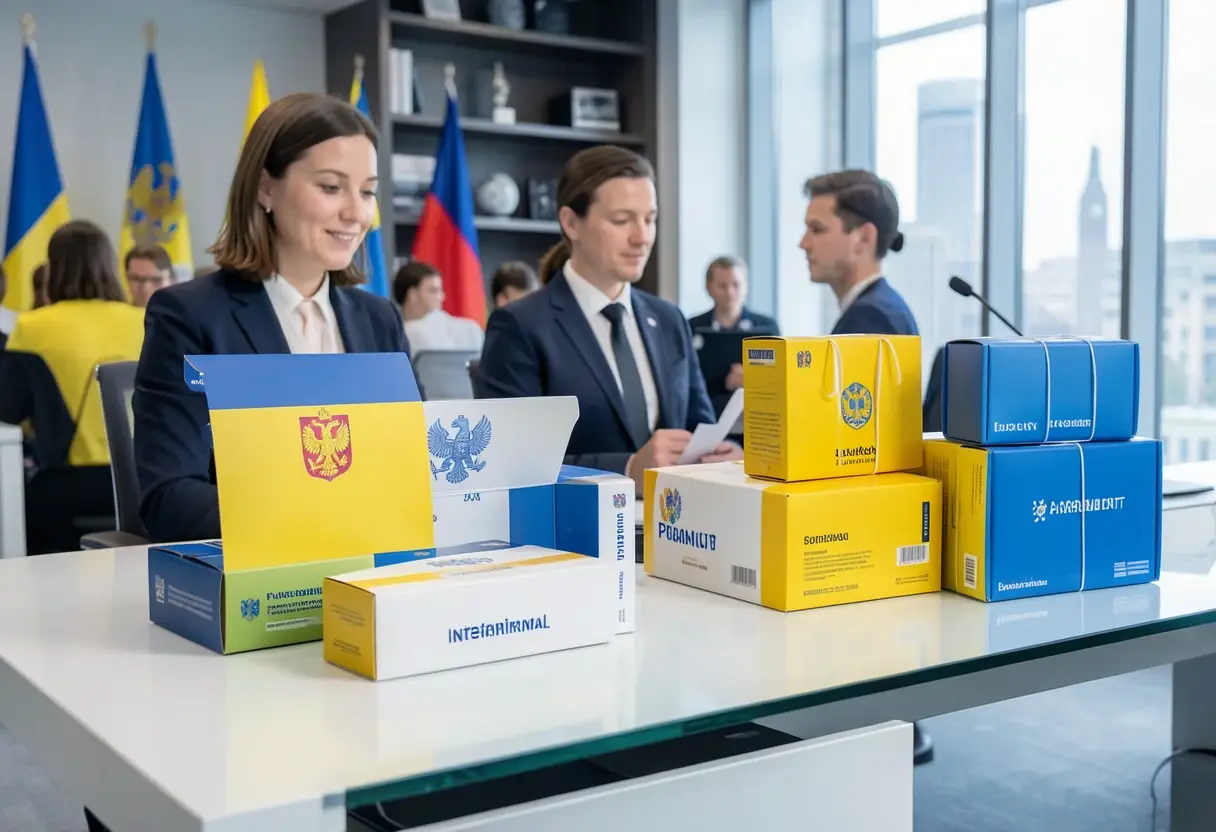
The Ukrainian Parliament has passed a law imposing value-added tax on e-commerce transactions and international packages. The Verkhovna Rada approved the measure in Kyiv. The law extends VAT coverage to goods bought online from foreign sellers and to parcels shipped into Ukraine from abroad. The change targets a segment of cross-border retail that previously operated largely outside the VAT net.
For practitioners, the significance is straightforward. The statute moves e-commerce and parcel imports from a grey zone into the formal tax base. Businesses that sell goods online to Ukrainian consumers, and logistics operators handling inbound international packages, must now assess how the law captures their activities.
What does the law cover?
The law addresses two connected streams of commerce.
- E-commerce transactions. Online purchases of goods fall within the VAT framework established by the new law.
- International packages. Parcels sent from abroad to recipients in Ukraine are brought within the VAT charge.
The legislation treats these streams together because they represent the same economic activity viewed from different ends. A consumer order placed with a foreign online store arrives in Ukraine as an international package. The law closes the gap between the point of sale and the point of delivery.
The exact rates, thresholds and registration mechanics are set by the statutory text as adopted. Tax advisers should verify the final published version before advising clients, because parliamentary amendments during passage can alter operative details.
What does the ruling change?
The practical change is that VAT now applies where it previously did not, or did not clearly. That has consequences for several groups.
- Foreign online sellers must determine whether they cross the threshold that obliges them to register and charge Ukrainian VAT.
- Marketplace platforms may find themselves treated as intermediaries with collection duties, depending on how the law assigns liability.
- Logistics and postal operators handling international parcels face new administrative roles in the VAT chain, potentially including collection at the point of release.
- Ukrainian consumers may see prices on imported online goods rise once VAT is embedded in the transaction.
The law aligns Ukraine with a broader international trend. Many jurisdictions have adopted similar regimes for imported low-value goods, requiring foreign vendors to register locally and remit VAT on distant sales. Ukraine's Parliament has now placed the country in that column.
How should practitioners respond?
Advisers should audit client exposure now. The first step is factual: which clients sell goods online into Ukraine, at what volumes, and through which fulfilment channels. The second step is structural: whether sales occur direct-to-consumer, through a marketplace, or via parcel forwarding, because each path may trigger a different obligation under the new law.
Compliance planning should precede enforcement. Tax authorities in Ukraine have signalled increased attention to cross-border digital commerce in recent years, and a statutory basis removes the ambiguity they previously confronted. Clients who waited for clarity now have it, and with it, a duty to act.
Importers and e-commerce operators should also review contracts. Who bears the VAT cost between supplier, platform and consumer is a commercial question, and the law's arrival makes those clauses operative rather than theoretical.
The takeaway is plain. Parliament has legislated, the grey zone is closing, and every business moving goods into Ukraine through online channels needs a VAT position before the tax authority asks for one.
What happens next?
The law now proceeds through Ukraine's standard legislative process. The President must sign it, and it must be published before entry into force. Practitioners should track the official publication date, because obligations typically begin on a date tied to publication or a fixed period after it.
Grace Kim reports on tax and trade law for Global Law Wire.
via GN Legislation (Source)
More from Grace Kim
Show full bio
Correspondent covering companies, deals and strategy in International law and legal practice at Global Law Wire.
266 articles
Also before the court
- Ukrainian Parliament Passes Bill Taxing International Parcels
- Ukraine's Parliament Votes to Tax International Parcels Up to €150
- Ukraine's Parliament Votes to Tax International Parcels Up to €150
- Parliament Passes Law Taxing International Parcels Up To €150
- EU Moves to Raise Costs of Cheap Imports: E-Commerce Faces New Rules