Law report No. GLW-9484 · filed October 16, 2026
LegislationReported case
Ukraine's Parliament Votes to Tax International Parcels Up to €150
Ukraine's Verkhovna Rada has passed a law taxing international parcels worth up to €150, ending duty-free treatment for low-value imports under the old de minimis threshold.
By Sophie Lindqvist3 min read520 words
Holding
- Ukraine's parliament passed a law taxing international parcels worth up to €150.
- The €150 figure matches the international de minimis norm for duty-free low-value consignments.
- The measure ends duty-free treatment for the parcel stream that has grown around the exemption.
- The law requires presidential signature and publication before it takes effect.
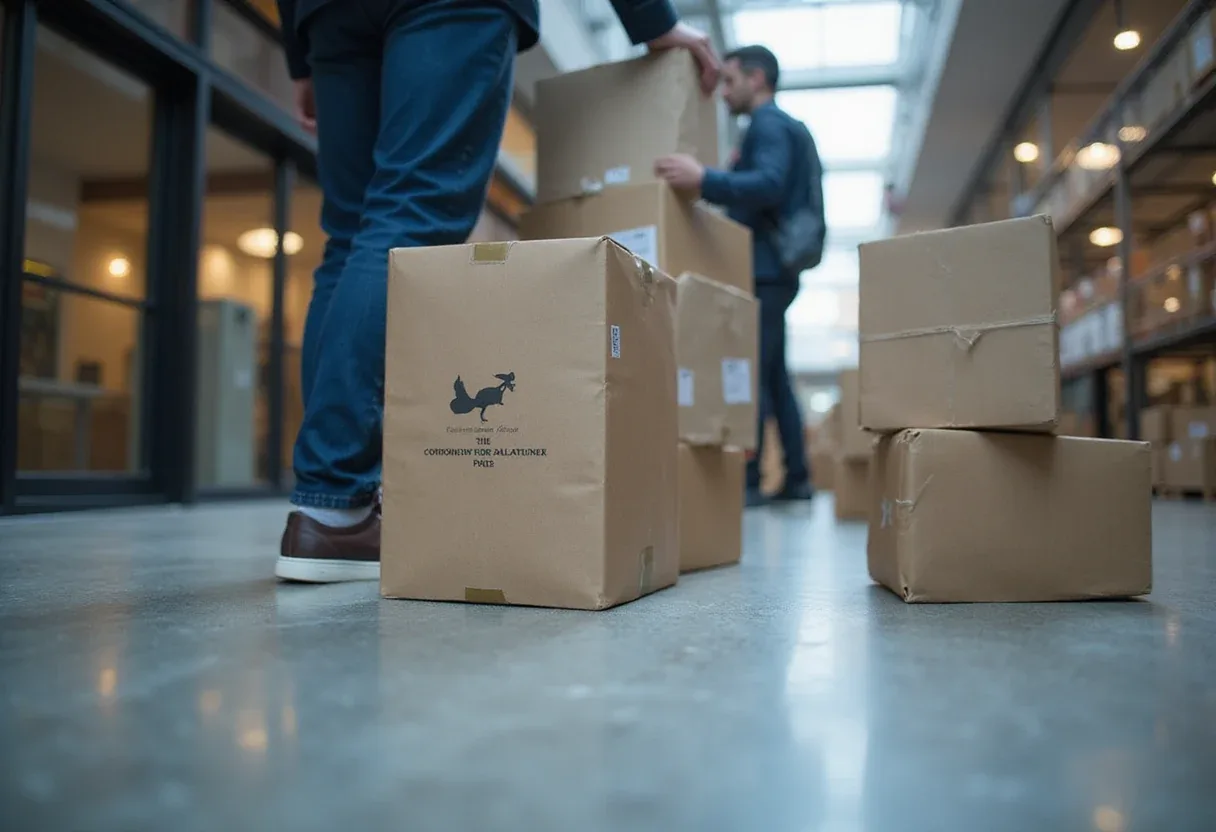
Ukraine's parliament, the Verkhovna Rada, has passed a law imposing tax on international parcels valued at up to €150, Ukrinform reports. The move ends a long-standing exemption that let low-value imports cross the border without a customs charge.
What did the Rada decide?
Lawmakers approved legislation that brings international parcels worth up to €150 into the tax system. Until now, that value band sat under a de minimis threshold (the customs term for a value below which goods enter duty-free) that shielded most consumer parcels from taxation. The decision targets the parcel flow that has grown around that exemption.
The Rada is Ukraine's unicameral legislature, and tax measures of this kind require a simple majority of deputies present. The bill now follows Ukraine's standard legislative path: presidential signature, then publication, before its provisions take effect.
Why target the €150 band?
The €150 figure isn't arbitrary. It matches the international norm for low-value consignments, the level below which many jurisdictions skip formal customs duty collection. Cross-border retailers have built shipping models around it. Shoppers order items priced just under the line. Each parcel arrives individually, untaxed.
Multiply that by millions of deliveries and the numbers get large. Governments lose revenue on one side. Domestic retailers, who charge VAT and duties on their own shelves, complain about unfair competition on the other. Ukraine isn't the first state to confront this; European Union policymakers have debated scrapping the same €150 threshold for years.
Think of the old rule as a turnstile left open for anyone carrying a small enough bag. The new law closes the turnstile. Every bag pays.
What does the law change in practice?
For consumers, the practical effect is straightforward. Parcels that previously arrived without a tax charge will now carry one. The change applies to the international postal and courier stream, the channel most individuals use for foreign purchases.
For businesses, the consequences cut both ways:
- Customs authorities gain a new collection base but face a volume problem — millions of small parcels are harder to process than bulk freight.
- Domestic retailers likely gain a more level playing field against foreign sellers who priced imports tax-free.
- Cross-border sellers shipping into Ukraine must now factor tax into deliveries, which may push some to adjust pricing or logistics.
- Customs brokers (licensed intermediaries who clear goods through customs) could see new work handling parcel-level declarations.
What happens next?
The law requires presidential signature before it takes effect. Implementation details — the exact tax rate applied, who collects it at the border, and any enforcement mechanism for courier companies — will determine how smoothly the change lands.
Enforcement is the real test. A threshold-based tax is only as good as its collection system. Postal operators and courier firms will likely carry compliance duties, as they do in other jurisdictions with similar rules.
For practitioners advising cross-border clients, the message is simple: low-value shipments into Ukraine are no longer a tax-free channel. Contracts, pricing models, and delivery terms that assumed the exemption need review before the law enters into force.
via GN Legislation (Source)
More from Sophie Lindqvist
Show full bio
News editor covering people, launches and day-to-day practice in International law and legal practice at Global Law Wire.
270 articles
Also before the court
- Ukrainian Parliament Passes Bill Taxing International Parcels
- Parliament Passes Law Taxing International Parcels Up To €150
- EU Moves to Raise Costs of Cheap Imports: E-Commerce Faces New Rules
- EU Approves 22nd Russia Sanctions Package; Compliance Clock Restarts
- Ukraine's Parliament Passes Minority Schools Bill Aimed at Hungary