Law report No. GLW-7606 · filed October 21, 2026
Courts & TribunalsReported case
Trump Administration Asks Supreme Court to Restart Big Bend Border Wall
The Trump administration asks the Supreme Court to lift Judge Kathleen Cardone's injunction halting Big Bend border wall construction, calling it "baseless" and "unprecedented."
By Marcus Bennett3 min read684 words
Holding
- Solicitor General D. John Sauer filed the application in Mullin v. Friends of the Ruidosa Church on Wednesday.
- Judge Kathleen Cardone halted construction on Oct. 2 and issued her written opinion on Oct. 14, 2026.
- CBP apprehended over 89,000 migrants in the Big Bend region between 2021 and 2025, the government says.
- The Big Bend region comprises almost one-fourth of the U.S.-Mexico border.
- The 1996 IIRIRA limits judicial review of DHS waiver decisions to constitutional claims.
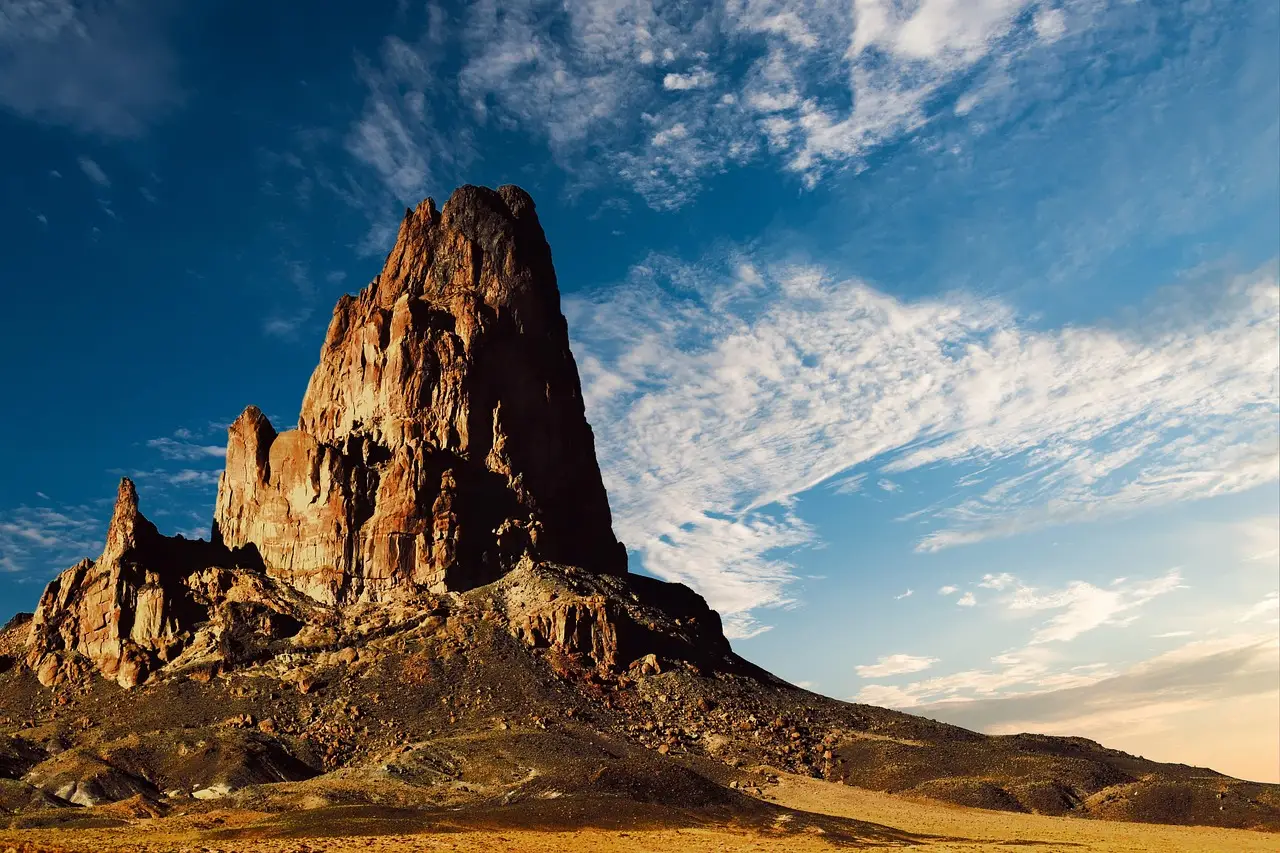
The Trump administration returned to the Supreme Court on Wednesday afternoon, asking the justices to let it resume border wall construction in the Big Bend region of southwestern Texas. U.S. Solicitor General D. John Sauer urged the Court to pause a district court order and to grant review and summarily reverse it, calling the ruling by a federal trial judge in El Paso "baseless" and "unprecedented."
The case, Mullin v. Friends of the Ruidosa Church, reaches the justices after U.S. District Judge Kathleen Cardone temporarily barred construction on Oct. 2 "until and unless" the Department of Homeland Security complies with environmental and other applicable laws. Cardone detailed her reasoning in a written opinion on Oct. 14.
Why did the judge halt the wall?
Cardone concluded that the challengers — an environmental group, a local landowner, and a group formed to preserve a church — were likely to win their claim under the major questions doctrine. That doctrine holds that Congress must speak explicitly before delegating decisions of vast economic or political significance to a federal agency.
She first rejected the government's argument that she lacked authority to hear the claim because it rested on a statute rather than the Constitution. The major questions doctrine, she wrote, is a "constitutional … rule" grounded in the principle that "courts should expect Congress to speak clearly when it delegates major lawmaking authority to the executive."
Congress gave the DHS secretary waiver power only "to deter illegal crossings in areas of high illegal entry into the United States," Cardone reasoned. Because "the evidence shows that the Big Bend Sector has the lowest rate of illegal entry along the entire U.S.-Mexico border," she concluded Congress could not have clearly authorized the Big Bend waivers.
What is the statutory framework?
Under the Illegal Immigration Reform and Immigrant Responsibility Act of 1996, the Secretary of Homeland Security may "waive all legal requirements" necessary "to ensure expeditious construction" of border walls and roads. The statute also limits judicial review: federal courts can hear challenges to waiver decisions only if they allege a violation of the Constitution.
President Donald Trump made the wall central to his immigration agenda in his first campaign and first term. President Joe Biden largely stopped construction after taking office in 2021. Trump moved to resume the effort upon returning to office in 2025.
In 2026, Homeland Security Secretary Kristi Noem and her successor, Markwayne Mullin, issued three waivers of environmental and conservation laws to permit construction in the Big Bend region, including areas of Big Bend National Park. That region comprises almost one-fourth of the U.S.-Mexico border.
The department determined that additional barriers are needed because the area "is an area of high illegal entry." Sauer states that U.S. Customs and Border Protection apprehended more than 89,000 immigrants attempting illegal entry there between 2021 and 2025.
What does the administration argue?
Sauer's filing advances two main positions:
- Jurisdiction. The challengers' complaint alleged the DHS secretary "lacked 'clear congressional authorization' … to issue the waivers" under the IIRIRA. "As this Court has long held," Sauer wrote, a claim that an executive official acted "'in excess of his statutory authority' is not a claim alleging a 'violation of the Constitution'" — and Congress limited review to constitutional challenges.
- Clear authorization. "[E]ven assuming that the Secretary's waiver authority implicates a question of 'vast economic and political significance,'" Sauer argued, "Congress did clearly authorize the Secretary both to build border barriers and to waive legal requirements in order to facilitate their expeditious construction."
What is at stake for practitioners?
The application tests the outer limits of two doctrines now colliding in immigration and environmental litigation. If the justices side with the government, the IIRIRA's bar on statutory challenges would shield waiver decisions from nearly all judicial scrutiny, narrowing the playbook for challengers. If Cardone's reading holds, the major questions doctrine becomes a constitutional gateway through which statutory objections can re-enter federal court. The case also carries practical weight for infrastructure and land-use practice along nearly a quarter of the border.
via supremecourt.gov (Original)
More from Marcus Bennett
Show full bio
Market editor covering regulation, policy and their impact on International law and legal practice at Global Law Wire.
267 articles
Also before the court
- Supreme Court Allows Third-Country Deportations to Proceed
- Cities Ask Supreme Court to Block Texas-DOJ Deal Killing Closure Rule
- Supreme Court Hears Boulder Climate Suit Against Suncor, ExxonMobil
- Trump Administration Revives Immigration Detention Fight at Supreme Court
- Alito Recuses From Climate Case as Trump Returns to Emergency Docket