Law report No. GLW-5949 · filed October 19, 2026
Trade LawReported case
CBP Delays De Minimis Mail Rule; Importers Gain Short Reprieve
U.S. Customs and Border Protection has postponed the implementation date of new rules ending duty-free treatment for international mail shipments, leaving importers awaiting a fresh Federal Register notice.
By Sophie Lindqvist3 min read570 words
Holding
- CBP postponed the implementation date of its de minimis exemption rules for international mail shipments
- The U.S. de minimis threshold remains $800 per parcel
- No new effective date appears in the published notice carried by the trade press
- Express parcels already face stricter entry documentation than postal mail
- The underlying rule remains in force; only the timeline has shifted
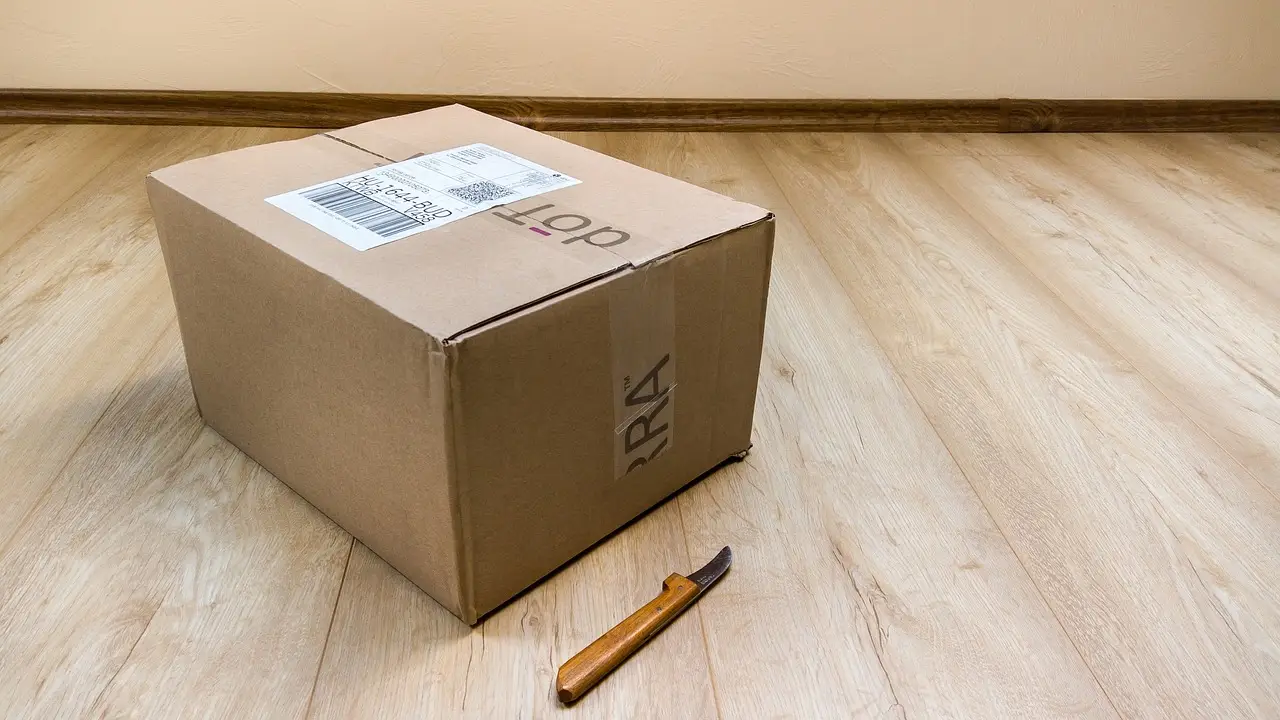
U.S. Customs and Border Protection has postponed the implementation date of its de minimis exemption rules for international mail shipments, according to a Lexology report.
The delay hands importers, postal operators, and customs brokers a short reprieve. Mail shipments enter the U.S. duty-free under the de minimis threshold — a statutory floor of $800 per parcel below which imports face no duty and no formal entry documentation. The agency's pending rule would have stripped that treatment from postal parcels. That change will now arrive later than originally planned.
What did CBP actually do?
The agency moved its go-live date. It did not withdraw the underlying rule. CBP did not publish a new effective date in the material available to the trade. Importers must wait for a follow-up Federal Register notice or a CSMS alert — the agency's automated broker messaging service — before locking in compliance workflows.
Carriers handling international parcel post should hold off on reconfiguring brokerage pipelines. Customs brokers should pause staff training tied to the original cutoff date. In-house trade counsel should brief clients that the rule's effective date is delayed, not canceled.
Why does the de minimis rule matter?
The $800 threshold lets low-value parcels cross the border without formal entry paperwork. That shortcut powered the explosive growth of direct-to-consumer e-commerce from overseas sellers. Chinese platforms in particular depend on the threshold. They funnel tens of millions of low-value parcels into U.S. communities each month, mostly under labels routed through the international postal network.
CBP has spent years arguing the threshold creates enforcement blind spots. Traffickers exploit it to move fentanyl precursors, synthetic opioids, and counterfeit goods through the postal pipeline. Narrowing or ending the de minimis window for mail parcels is one prong of the agency's broader enforcement strategy.
Why mail, and not express parcels?
The rule change targets the international postal system — parcels routed through national post offices rather than private express carriers such as FedEx, UPS, or DHL. Express shipments already face stricter entry documentation under formal entry rules. Postal mail historically enjoyed lighter paperwork because posts lacked the data plumbing customs brokers use.
Closing that gap would have forced formal entry on most cross-border parcels regardless of carrier. Each parcel would carry duties owed, a customs declaration, and possibly duties collected at the point of delivery.
The delay suggests CBP needs more time to coordinate with foreign postal operators. Many partner-country posts still lack the IT plumbing commercial carriers maintain for transmitting customs data. Without that handshake, the agency cannot reliably capture duty revenue or screen parcels for prohibited content.
What should compliance teams do now?
Three concrete steps:
- Watch CBP's Cargo Systems Messaging Service for the next implementation bulletin.
- Reassess any de minimis-dependent fulfillment strategy tied to the original deadline.
- Update client memos to flag the rule's effective date as delayed, not withdrawn.
What remains unclear
The Lexology summary does not specify the new implementation date. It does not detail the precise scope of any exemption carve-out. It does not say whether CBP will publish interim guidance.
Practitioners should treat the delay as procedural. The agency's direction of travel has not changed. The timeline has. Watch the Federal Register and the CSMS feed for the next concrete signal.
Sophie Lindqvist covers customs, trade, and cross-border regulation for Global Law Wire.
via GN Lexology (Source)
More from Sophie Lindqvist
Show full bio
News editor covering people, launches and day-to-day practice in International law and legal practice at Global Law Wire.
279 articles
Also before the court
- CBP Proposed Rule Sets New Framework for Low-Value Shipments
- USTR Opens Comment Window on EU Carbon Border Tax
- Brazil Postpones Enforcement of Fines Under Biofouling Regulation
- Ukraine's Parliament Votes to Tax International Parcels Up to €150
- EU Weighs Response After US Supreme Court Blocks IEEPA Tariffs