Law report No. GLW-8163 · filed November 17, 2026
Courts & TribunalsReported case
Supreme Court Weighs Ending Bivens Suits Against Federal Agents
The Supreme Court heard arguments Monday on ending Bivens damages suits against federal agents, in a case brought by a Hawaii inmate whose broken tailbone went untreated for seven months.
By Priya Raman4 min read788 words
Holding
- Supreme Court heard arguments Monday in Nielsen vs. Watanabe over Bivens damages suits
- Inmate Kekai Watanabe's broken tailbone went undiagnosed for seven months despite complaints of intense pain
- Bivens doctrine dates to 1971; the Court last upheld such a suit in 1980
- Padilla and Blumenthal proposed the Accountability for Federal Law Enforcement Act
- Nurse's counsel urged the Court to 'end the Bivens experiment'
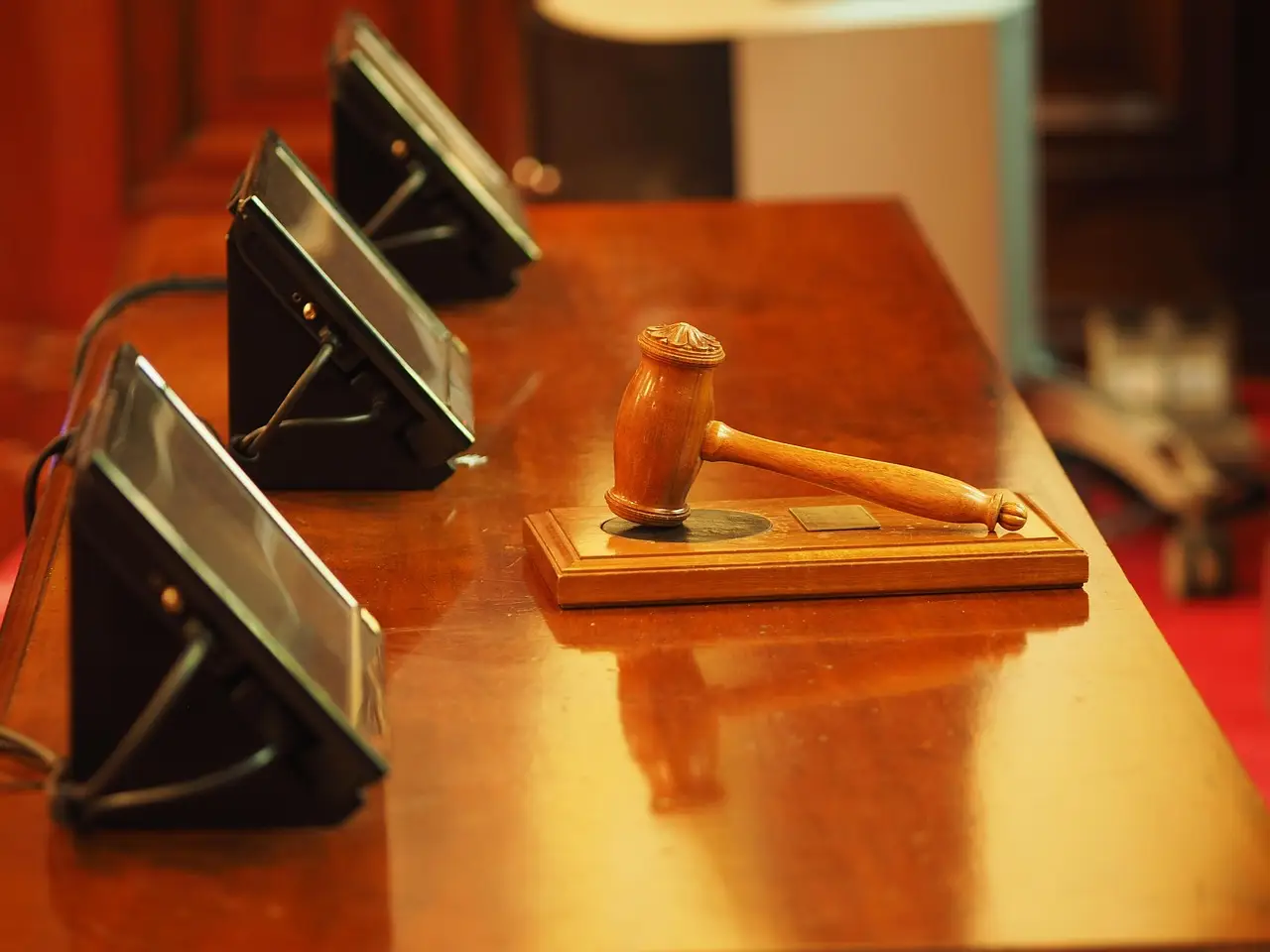
The Supreme Court on Monday heard arguments in Nielsen vs. Watanabe, a case that could narrow or entirely eliminate the ability of individuals to sue federal agents for money damages over constitutional violations. The dispute concerns a Hawaii inmate's broken tailbone, an over-the-counter painkiller, and a doctrine the Court has doubted for nearly 50 years.
At issue is the fate of Bivens, the Court's 1971 decision that first allowed a constitutional claim for money damages against a federal agent. In that case, the plaintiff sued several FBI agents over an unreasonable search during a drug raid in violation of the Fourth Amendment. The doctrine has been on life support ever since.
What happened to Kekai Watanabe?
Watanabe, a federal prison inmate in Hawaii, suffered a broken tailbone in a gang fight. He told prison nurse Francis Nielsen he was in intense pain. He received only over-the-counter pain medication. Seven months later, an X-ray finally revealed the fracture damage and the source of his continuing agony.
Acting on his own, Watanabe sued Nielsen for cruel and unusual punishment under the Eighth Amendment. A federal judge dismissed the suit, citing the Supreme Court's decades of skepticism toward such claims. The 9th Circuit Court of Appeals revived it, relying on a 1980 Supreme Court ruling that allowed a similar suit by a mother whose son died of an asthma attack in a federal prison.
That 1980 decision was the last time the high court upheld a damages lawsuit against a federal agent for a constitutional violation. Four and a half decades have passed without another.
What did the justices hear?
The Court's conservatives argue that only Congress can authorize damages suits against federal agents and employees. They point to the Federal Tort Claims Act, in which Congress authorized damage suits against the United States for such claims.
Lucas Walker, the attorney for the prison nurse, pressed the point directly: "The power to create damages remedies belongs to Congress, not federal courts. It's time to end the Bivens experiment."
Walker urged the Court to overturn both Bivens and the later ruling that allowed suits involving gross medical negligence. Joshua Wesneski, the attorney for Watanabe, countered that the prospect of being sued for wrongdoing "has a powerful deterrent effect."
The stakes extend beyond one inmate's compensation.
Why does this matter now?
The issue has taken on new significance because of aggressive and sometimes violent actions by federal immigration agents. Those agents may face criminal charges, but victims and their families cannot currently sue them for damages.
The asymmetry is structural. After the Civil War, Congress passed an enforcement law authorizing suits against state and local officials who violate constitutional rights under color of law. No comparably broad statute exists for federal officers. That is why a Los Angeles police officer who uses excessive force can be sued in federal court, while a federal immigration agent performing the same act cannot.
Is Congress about to act?
Senate Democrats may try to close the gap. Sens. Alex Padilla of California and Richard Blumenthal of Connecticut have proposed the "Accountability for Federal Law Enforcement Act," which would allow victims to sue for "damages for constitutional and civil rights violations committed by federal law enforcement agents."
The senators argue Congress must extend to federal agents the same legal accountability that has long applied to state and local police.
"Recent incidents — from violent ICE and CBP raids to abuses by federal task forces — have underscored this gap in accountability," Padilla said. "These events have eroded public trust and shown how federal officers can act with impunity even when their conduct clearly violates constitutional protections."
A word of caution follows that promise. A Senate proposal is not a statute; the bill's prospects depend on a Congress that has not passed comparable legislation in over 150 years of trying. Practitioners should note what the Court has not said: no ruling has issued yet, and the justices weighed narrowing the doctrine rather than only killing it outright. Either outcome would leave federal plaintiffs with tort claims against the government itself, but not personal constitutional remedies against individual agents.
What is the practical consequence?
If the Court overturns Bivens, constitutional damages claims against federal officers vanish from the docket entirely. If it merely narrows the 1980 medical-negligence extension, Watanabe's claim fails, but a sliver of the doctrine survives. Civil rights litigators with pending federal-agent cases should prepare dismissal motions either way, while monitoring the Senate bill as the only legislative path to restoration. In plain words: the last door for suing federal agents over constitutional violations may be about to close, and only Congress can reopen it.
via police1.com (Source)
More from Priya Raman
Show full bio
Staff writer covering companies, deals and strategy in International law and legal practice at Global Law Wire.
324 articles
Also before the court
- Supreme Court Denies Trump Bid on Transgender Inmate Policy
- Supreme Court Narrows Alien Tort Statute in Cisco Falun Gong Case
- Eleventh Circuit Upholds Florida's Higher Bar Fees for Veteran Lawyers
- Supreme Court Hints at Curbing Agency Power to Impose Penalties
- Alito Recuses From Climate Case as Trump Returns to Emergency Docket