Law report No. GLW-5254 · filed November 10, 2026
Courts & TribunalsReported case
Supreme Court Clears Way for West Texas Border Wall Construction
The Supreme Court on Monday let the Trump administration resume border wall construction in west Texas, dissolving an injunction and leaving Justice Jackson as the lone dissenter.
By Sophie Lindqvist4 min read720 words
Holding
- The Supreme Court on Monday allowed border barrier construction to resume across hundreds of miles of west Texas.
- Justice Ketanji Brown Jackson was the lone dissenter in the five-page unsigned decision.
- A federal judge in El Paso had issued the temporary injunction halting 30-foot-tall steel barriers.
- The Big Bend Sector spans nearly 500 miles, over a quarter of the U.S.-Mexico border, yet sees the fewest Texas encounters per CBP data.
- The government filed its emergency application to the Supreme Court in late October.
By Sophie Lindqvist
The U.S. Supreme Court on Monday allowed the Trump administration to resume border barrier construction across hundreds of miles of west Texas, dissolving a temporary injunction that had blocked the work since a federal judge in El Paso issued it. Justice Ketanji Brown Jackson was the lone dissenter. The unsigned, five-page decision holds that the lower-court judge lacked authority to rule on the matter at all.
What did the court actually decide?
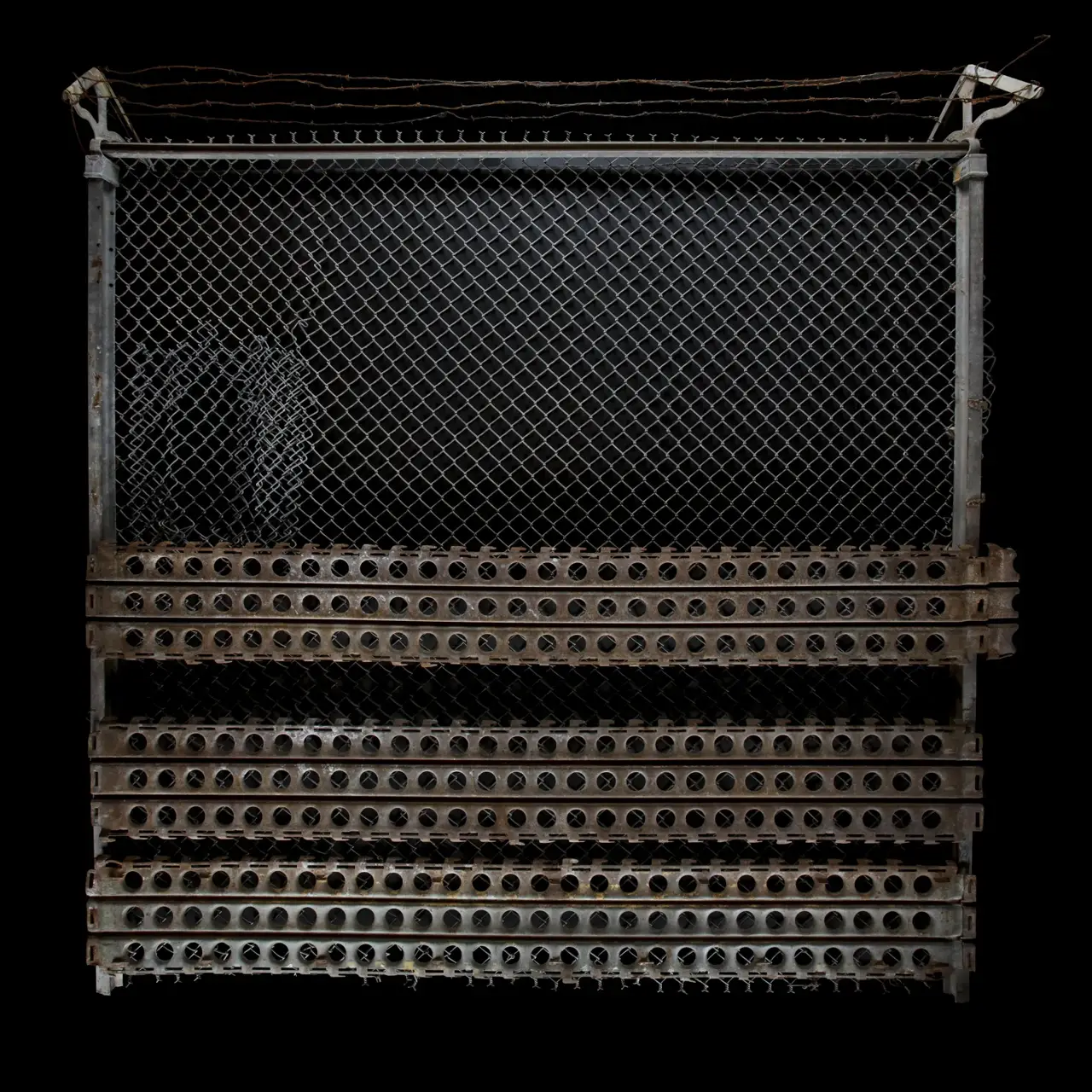
The mechanism here is jurisdictional. The justices found the El Paso federal judge didn't have the power to weigh in on the challenge to the construction plans. That stripped the injunction of legal force, and the work — 30-foot-tall steel barriers, patrol roads, surveillance systems and other infrastructure — can proceed while the underlying litigation continues.
The court quoted its operative reasoning directly: "The injunction thus impedes the Government from advancing its 'compelling interests' in border security and integrity."
The decision also leaned on federal statute. Under existing law, the court wrote, Homeland Security Secretary Markwayne Mullin may waive environmental protections and conservation laws. The justices described that statutory scheme as a "clear preference for expeditious border construction over the very harms respondents assert."
Think of it as Congress having pre-paid for speed: the waiver authority exists precisely so environmental suits can't slow the wall down, and the majority read it that way.
Who brought the case?
The Center for Biological Diversity, an environmental advocacy group, filed the lawsuit alongside two co-plaintiffs:
- an area nonprofit working to preserve a historic church near the U.S.-Mexico border;
- a landowner who stands to lose his border property.
The suit argued the Department of Homeland Security's plans are unconstitutional and that Big Bend residents would be "irreparably harmed" if construction continues.
Laiken Jordahl of the Center for Biological Diversity condemned the ruling in blunt terms. "This decision greenlights the contractors and allows the bulldozers to come roaring back into the region," Jordahl said. "It allows the dynamiting of national park canyon walls, the bulldozing of pristine desert."
Why did the government rush to the Supreme Court?
In an emergency application filed in late October, the federal government pressed the justices to intervene and let work begin again. It warned that a gap in "border defenses" in the Big Bend region "would act as a dangerous magnet for cartels and other bad actors."
Solicitor General John Sauer, signing the administration's emergency request, called the injunction "baseless" and "unprecedented." He argued any pocket of Big Bend without a barrier would "become a funnel point for illegal alien crossings that are thwarted by barriers elsewhere."
What's the practical consequence for practitioners?
For litigators challenging federal border construction, the ruling is a serious blow. It signals the current Court will treat the Homeland Security secretary's statutory waiver power as near-dispositive against environmental and constitutional claims at the injunction stage, and it warns district judges against halting wall projects before merits review concludes.
Parties seeking to stop construction will likely need to reframe their theories — takings claims from affected landowners, for example, may fare differently than public-interest environmental arguments. Meanwhile, the underlying case in the lower courts moves forward, so the merits fight isn't over. It's just that the bulldozers won't wait for it.
Why does Big Bend matter politically?
The project has drawn an unusual bipartisan backlash. Big Bend National Park is a beloved stretch of public land known for sweeping canyons and unspoiled desert. Opponents across the political spectrum argue a wall isn't needed there, citing the region's tough terrain and unforgiving desert heat. They point to threats to the environment, Indigenous sites, wildlife and a tourism-based local economy.
The enforcement data cuts in the challengers' favor. The Big Bend Sector — a nearly 500-mile stretch covered by U.S. Customs and Border Protection — accounts for over a quarter of the U.S.-Mexico border. Yet according to CBP data, it regularly records the fewest encounters along the Texas border, a function of landscape that has historically deterred crossings.
That's the paradox at the heart of the case: the government is deploying its fastest legal weapon to build barriers where, by its own agency's numbers, the fewest people cross.
via feeds.npr.org (Source)
More from Sophie Lindqvist
Show full bio
News editor covering people, launches and day-to-day practice in International law and legal practice at Global Law Wire.
287 articles
Also before the court
- Supreme Court Clears Trump Border Wall Construction in Texas Big Bend
- Supreme Court stays injunction blocking Big Bend border barriers
- Supreme Court Pauses Texas Block on Big Bend Border Wall
- Supreme Court Lifts Big Bend Wall Injunction, Citing No 'Major Questions' Claim
- Trump Administration Asks Supreme Court to Restart Big Bend Border Wall