Law report No. GLW-5525 · filed November 12, 2026
Trade LawReported case
Sudan Lifts 20-Month Ban, Reopening Market for Kenyan Tea
Sudan lifted a 20-month ban on Kenyan tea, but the lifting date, a government statement and the timetable for shipments remained unspecified in a 12 November 2026 report.
By Sophie Lindqvist3 min read648 words
Holding
- Sudan lifted a 20-month ban on Kenyan tea; the exact lifting date was not specified.
- The ban began in March 2025 after diplomatic tensions over Kenya hosting RSF leader Mohammed Hamdan Dagalo and other Sudanese political groups.
- Kenya exported 15.9 million kilograms of tea worth Ksh3.8 billion to Sudan in 2023.
- Exports fell to 6.8 million kilograms worth Ksh1.5 billion by 2025.
- More than 3.4 million kilograms, worth over Ksh1.34 billion, remained in Mombasa warehouses as of August 2026.
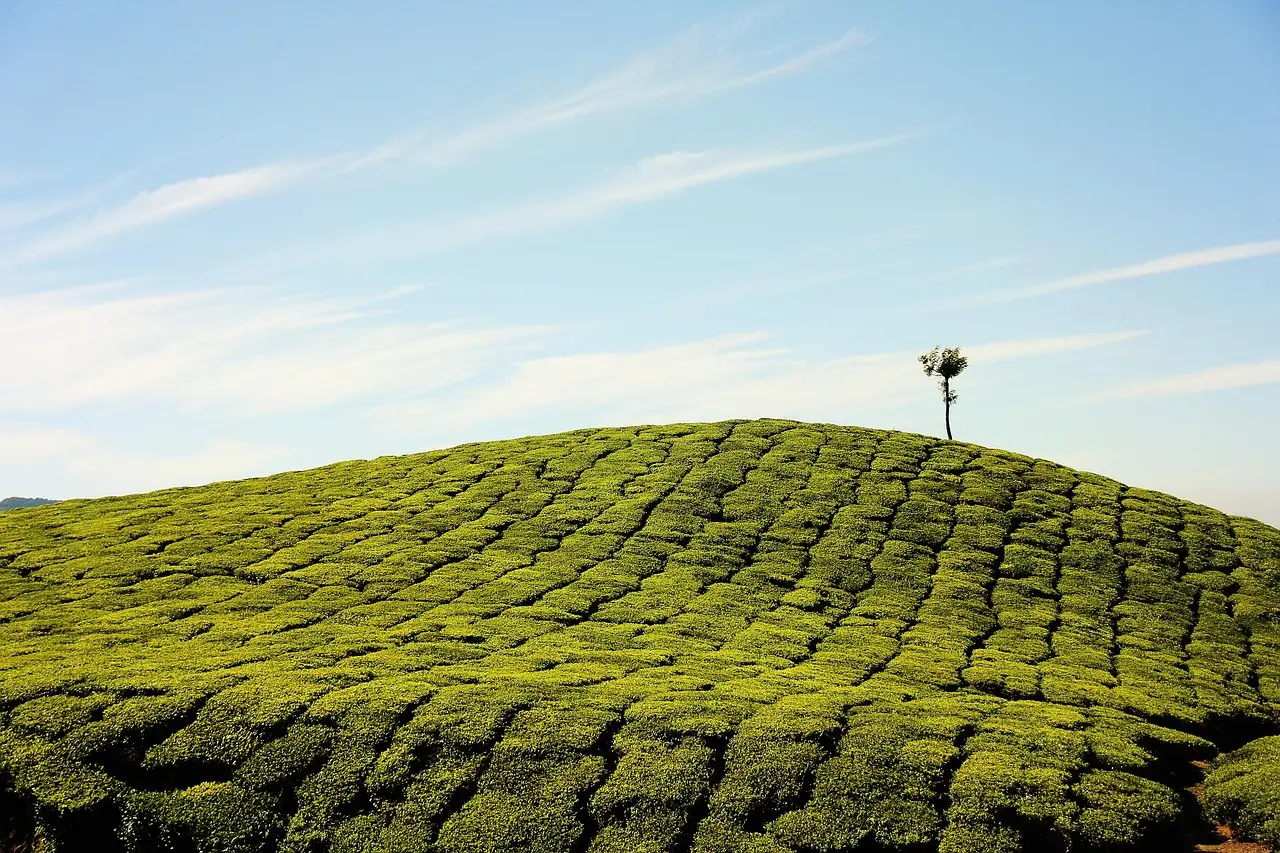
As of 12 November 2026, Sudan’s government had lifted a 20-month ban on Kenyan tea, clearing the way for exporters to regain access to one of Kenya’s key regional buyers. The exact decision date remained unspecified.
What changed, and under what authority?
The report identifies the Sudanese government as the authority behind the measure, but names no ministry, regulator, statute, regulatory notice or case reference supporting either the original restriction or its removal. The ban began in March 2025. The published account did not specify the date on which Sudan ended it.
No court appears in the account, and the source provides no judicial ruling to quote. For legal readers, that leaves the measure’s formal scope, procedural basis and any conditions attached to resumed trade outside the available record.
Why was the ban imposed?
Sudan imposed the restriction after diplomatic tensions arising from Kenya’s decision to host Mohammed Hamdan Dagalo, leader of the paramilitary RSF, and other Sudanese political groups in Nairobi. The report describes a political sequence without alleging that hosting alone produced a legal breach.
Once trade stopped, the ban disrupted shipments and stranded billions of shillings worth of tea. Exporters found it difficult to redirect those stocks to other international markets, closing off a regional buyer for Kenyan tea.
How much tea trade changed?
- In 2023, Kenya exported 15.9 million kilograms of tea to Sudan. Those shipments were worth Ksh3.8 billion.
- By 2025, exports had fallen to 6.8 million kilograms. Their reported value was Ksh1.5 billion.
- As of August 2026, more than 3.4 million kilograms remained in Mombasa warehouses. The stock carried a reported value of over Ksh1.34 billion and proved hard to redirect elsewhere.
The figures show the restriction’s commercial reach before any confirmed new shipments. They also show why the stock remained exposed: Mombasa held a large volume while access to Sudan was closed.
What reopened the route?
The reopening followed diplomatic engagements between Kenyan President William Ruto and Sudanese Prime Minister Camille Idris on the sidelines of a COMESA Summit. The report gave neither the summit’s date nor its location. It also set out no conditions for renewed trade.
A declaration of restored access does not explain the administrative mechanism. Exporters still need the operative government instrument before they can determine what changed for shipping approvals or customs clearance.
What did Musyoka tell Sudan?
On Thursday, 6 August 2026, Wiper Party leader Kalonzo Musyoka visited Sudan’s embassy in Nairobi. He presented Kenya’s plea to lift the ban. Musyoka warned that the measure had “dealt a severe blow to Kenya’s tea industry.”
He said the products “could not easily be redirected.” That constraint had produced mounting losses, lower auction prices and reduced earnings for farmers. In Musyoka’s account, restoring Sudan access would protect livelihoods, support farmers and preserve economic ties between the two countries.
What remains unresolved for exporters?
The exact date of the lifting remained unspecified. The Kenyan government had not issued a statement about the development, and it was unclear when shipments would resume. The account announced no cargo allocation, customs protocol or payment arrangement.
For practitioners, the position is closer to a warehouse door opening than a confirmed delivery date. Trade counsel, brokers and exporters should obtain the implementing notice and shipping timetable before releasing stored tea or advising clients on new exposure. The report does not establish immediate sales, treatment of inventory held since March 2025, or payment and enforcement risk.
That leaves two practical questions. Has Sudan formally removed every restriction on Kenyan tea, and what must exporters do to move the Mombasa stock? The current public account answers neither. It supports only a cautious position: Kenya’s exporters can prepare for renewed access, but cannot treat the market as fully operational until the government confirms the legal and commercial details.
via nairobiwire.com (Source)
More from Sophie Lindqvist
Show full bio
News editor covering people, launches and day-to-day practice in International law and legal practice at Global Law Wire.
333 articles
Also before the court
- Guinea's mining crackdown sends up to 160,000 miners into Mali
- Kenya's High Court Rejects Challenge to Ruto's Foreign-Trader Directive
- Kenya's Proposed Standards Bill Targets Online Sellers With Heavier Fines
- Kenya Extends Relaxed Sulphur Limits for Petrol and Diesel
- OJK Orders Rp5.07 Billion Repayment in Panorama Share Manipulation