Law report No. GLW-3456 · filed November 17, 2026
Antitrust & CompetitionReported case
Samsung, SK Hynix, Micron Must Face DRAM Price-Fixing Class Action
Judge Noël Wise denied dismissal of claims that Samsung, SK Hynix and Micron colluded to cut DRAM supply, driving prices up 700% as the trio pivoted to AI memory.
By Sophie Lindqvist4 min read714 words
Holding
- Judge Noël Wise denied dismissal of the DRAM antitrust class action on Friday.
- The three defendants hold about 91% of global DRAM sales.
- DRAM prices rose 700% over four years, plaintiffs claim.
- All three firms shifted capacity to HBM for AI starting in 2023.
- Samsung and Hynix paid hundreds of millions in DOJ fines for 1998–2002 price fixing; Micron won whistleblower immunity.
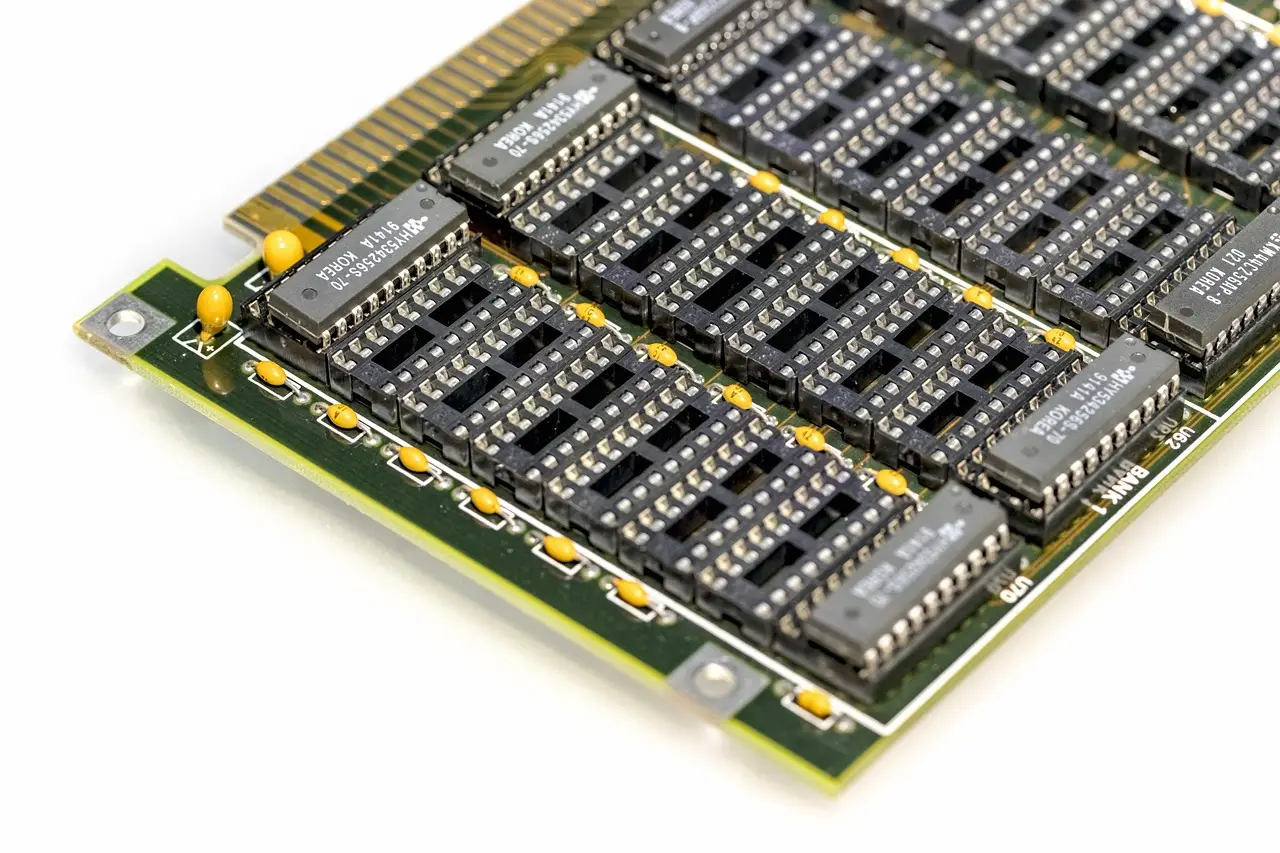
A federal judge in San Jose, California has refused to dismiss a class action claiming the three largest DRAM makers colluded to cut production, helping drive a 700% price surge over four years. U.S. District Judge Noël Wise, a Joe Biden appointee, denied the motion to dismiss filed by Samsung Semiconductor Inc., SK Hynix Inc. and Micron Technology Inc. on Friday, in Garciaguirre v. Samsung.
The plaintiffs are a group of consumers and small businesses. They accuse the chipmakers of conspiring over dynamic random access memory, or DRAM — the standard memory chip found in personal computers and cell phones.
What did the judge actually decide?
Wise ruled the complaint survives the motion-to-dismiss stage. That's an early, procedural threshold. She didn't find collusion occurred. She found the plaintiffs pleaded a plausible enough case to proceed.
The key conduct: all three companies almost simultaneously curtailed output of conventional DRAM, pivoted to higher-margin memory products for AI customers, and declined to ramp conventional DRAM production back up when it became extremely profitable.
Wise quoted her own operative language directly: "While it is possible that each of defendants' decisions, even ones made near-simultaneous, was made independently by each defendant, at the motion to dismiss stage, a plaintiff need not allege a fact pattern that tends to exclude the possibility of lawful, independent conduct."
In plain terms, the defendants' innocent explanation doesn't kill the case at the pleading stage. The plaintiffs only need a plausible story, not proof.
What's the alleged scheme?
The three defendants account for about 91% of global DRAM sales, according to the June complaint. The plaintiffs call them oligopolists — a market dominated by a handful of sellers who can, if they coordinate, restrict supply without a formal agreement.
The alleged timeline:
- 2022: DRAM demand was weak and prices falling. SK Hynix cut output and investment in conventional DRAM first, followed by Micron and eventually Samsung.
- 2023: AI applications took off. All three simultaneously redirected significant manufacturing capacity and capital expenditure from commodity DRAM to high bandwidth memory (HBM), a specialized high-margin product used in AI accelerators.
- Afterward: Conventional DRAM prices surged, and none of the three redirected capacity back to capture the record prices.
"The growth of artificial intelligence drove buyers to acquire memory in volumes the industry had not seen — both the HBM that accelerators require and the commodity DRAM that every server, computer, and phone still needs," the plaintiffs say. "Meeting the supply the three firms had withdrawn, conventional DRAM prices surged."
The foregone profit is the heart of the economic argument. "The conventional DRAM sales defendants declined to make were not a low-margin afterthought; they were, on defendants' own numbers, worth hundreds of millions to billions of dollars in annual operating profit," the plaintiffs claim. "Leaving that profit unclaimed, in unison, while commodity prices set records, is difficult to reconcile with independent profit maximization."
Entry barriers did the rest. Building DRAM capacity requires enormous capital expenditure. No competitor could step in, expand supply, and push prices back down. Consumers and businesses paid more for their phones and laptops.
Why does the 1998–2002 precedent matter?
This isn't the industry's first price-fixing case. The plaintiffs note Samsung, SK Hynix and Micron, plus two other companies, ran a criminal enterprise fixing DRAM prices from 1998 to 2002. The U.S. Justice Department imposed hundreds of millions of dollars in fines on Samsung and Hynix. Micron escaped punishment as the whistleblower.
For the court, that history supports inference. Past coordination makes present parallel conduct easier to read as collusion rather than coincidence — like hearing the same alibi twice from the same suspects.
What happens next for practitioners?
The case now moves into discovery. That means document production, depositions and, realistically, settlement pressure. Defendants facing 91%-market-share evidence and a prior criminal conspiracy often settle rather than risk treble damages at trial. Antitrust counsel for the chipmakers will likely renew independence arguments at summary judgment, where the standard is far heavier than plausibility. Plaintiffs' lawyers, meanwhile, gain leverage from the court's acceptance that leaving billions unclaimed in unison can itself suggest agreement.
Representatives of the chipmakers and an attorney for the plaintiffs didn't immediately respond to requests for comment.
via Courthouse News (Source)
More from Sophie Lindqvist
Show full bio
News editor covering people, launches and day-to-day practice in International law and legal practice at Global Law Wire.
333 articles
Also before the court
- Judge Mehta Dismisses Antitrust Suits Targeting Google's AI Overviews
- Google Must Face Consumer Antitrust Suit Over Search, US Judge Rules
- AI Use Does Not Cut $115,000 Fee Award, 10th Circuit Rules
- Tenth Circuit: AI Use Does Not Automatically Cut Legal Fees
- Apple Wins Transfer of Rave Antitrust Suit to California Federal Court