Law report No. GLW-8315 · filed November 12, 2026
Regulation & EnforcementReported case
Police watchdog warns facial recognition errors risk wrongful arrests
HMICFRS found investigators treating retrospective facial recognition results as evidence rather than intelligence, risking wrongful arrests of ethnic minorities. It calls for a statutory framework.
By Grace Kim4 min read766 words
Holding
- HMICFRS published its report on retrospective facial recognition on Wednesday
- Investigators in some cases treated RFR results as evidence rather than intelligence
- The report found the algorithm is more likely to wrongly flag people from ethnic minorities
- Custody images that should have been deleted were retained in police databases
- No comprehensive statutory framework governs police use of facial recognition
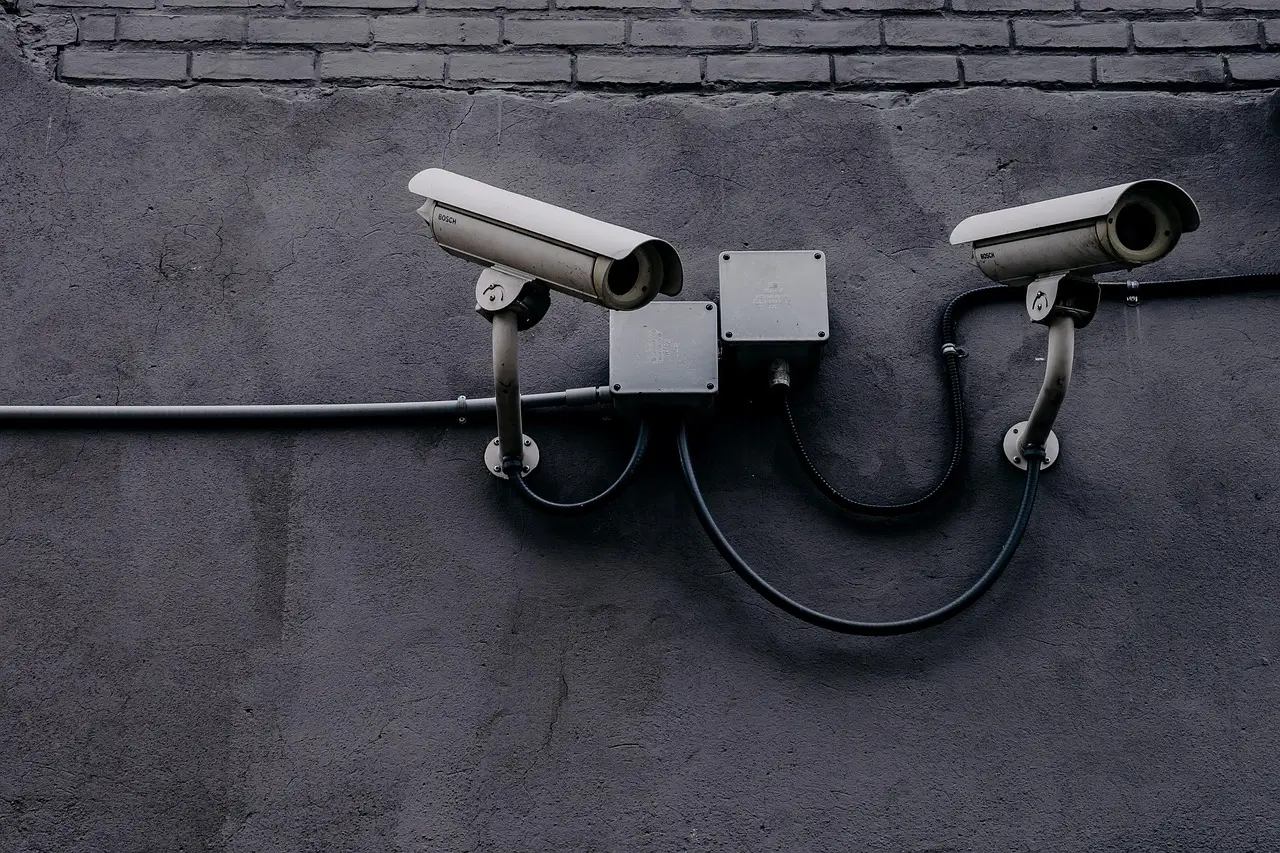
Police risk arresting innocent people, particularly from ethnic minorities, because officers treat inaccurate facial recognition data as evidence, HMICFRS has warned. His Majesty's Inspectorate of Constabulary published the report on Wednesday. It covers England and Wales policing and examines only retrospective facial recognition (RFR), the technique used after crimes occur rather than in real time.
The finding goes to the heart of how forces use algorithmic outputs. Some investigators did not understand that RFR results are intelligence, not evidence.
What did the inspectorate find?
"Some investigators didn't know that RFR results were intelligence rather than evidence and required further enquiries before officers took enforcement action," the report said. "This creates a risk that people could be incorrectly identified or arrested, which could undermine public confidence in the technology."
Inspectors also found weak corroboration practices. "We found that some investigators didn't always carry out enough corroborative enquiries before acting on potential matches," the report said. "In a small number of cases, officers relied too heavily on RFR results, which led to inappropriate investigative action."
The report identifies three practical failures:
- Investigators not knowing RFR results require further enquiries before enforcement action
- Bias in the algorithm, which is more likely to wrongly flag people from ethnic minorities as suspects
- Users uploading poor-quality or unsuitable probe images, including blurred images and images containing multiple faces
The image-quality problem matters because degraded inputs reduce the system's ability to return reliable matches. An officer who uploads a blurred CCTV frame may receive a confident-looking answer built on weak foundations. The report's own words: "More needs to be done to reduce the risks of people being wrongly arrested."
Takeaway: the technology is only as sound as the verification discipline around it.
How serious is the data-retention problem?
Inspectors found a separate risk to public confidence. Custody images that should have been deleted were in fact kept. This matters legally as well as reputationally.
Civil liberties group Big Brother Watch put the point sharply. Jasleen Chaggar said: "Police cannot be allowed to continue using the algorithm with so few safeguards and at biased settings that are more likely to misidentify women, Asian and black people and search against millions of unlawfully held custody images."
She also flagged an accountability gap. "Police aren't even logging their use of retrospective facial recognition, meaning people could wrongfully become suspects in criminal investigations without even realising why they've been accused," Chaggar said.
Takeaway: retained images plus unlogged searches means individuals can become suspects without any record they can challenge.
Is there a legal framework?
No. The report states this plainly: "Inspectors found that legislation hasn't kept up with changes in facial recognition technology and there is no comprehensive statutory framework governing this technology's use. This makes it more difficult for forces to understand the lawful basis for RFR's use and what safeguards are needed to protect the public."
His Majesty's Inspector of Constabulary Kathryn Stone said continued public support depends on demonstrable safeguards: "Police forces must be able to show that appropriate safeguards are in place, risks relating to bias and data retention are effectively managed, and decisions are still subject to human judgment. A clearer statutory framework, stronger national standards and improved governance and oversight arrangements are essential to maintaining public confidence."
Takeaway: without legislation, each force must work out the lawful basis for itself.
What does this change for practitioners?
For criminal practitioners, the report supplies fresh material for challenges to identifications built on RFR matches. Ask what enquiries followed the match before arrest or charge. Ask what the probe image quality was. Ask whether the custody image relied on should lawfully still have been on the database. The report concedes each of these steps failed in some cases.
For police legal teams, the gap Stone identifies creates exposure. Human review of algorithmic output is not optional. Prof Pete Fussey of the University of Southampton, formerly a police adviser on facial recognition, said: "Meaningful human scrutiny of AI systems is a legal requirement, yet the report gives examples of investigators taking the computer's suggestions at face value without further checks."
Ben Russell, lead on facial recognition for the National Police Chiefs' Council, defended the technology: "Policing remains committed to the ethical, proportionate and responsible use of retrospective facial recognition to help investigate crime, bring offenders to justice and keep communities safe and we are pleased that HMICFRS has recognised the exciting possibilities of this technology."
Takeaway: expect litigation over RFR-based identifications and legislative pressure for a statutory framework.
via theguardian.com (Source)
More from Grace Kim
Show full bio
Correspondent covering companies, deals and strategy in International law and legal practice at Global Law Wire.
320 articles
Also before the court
- UK Government Opens Consultation on Facial Recognition Legal Framework
- Home Office to Deploy Live Facial Recognition for Immigration Enforcement
- Clearview AI Faces Criminal Charges After Fines Miss the Mark
- CMA Fines Individual Employees Over Dawn Raid Evidence Cover-Up
- Roberts-Smith War-Crime Case: BBC Calls It Historic for Australia