Law report · filed November 25, 2026
Regulation & EnforcementReported case
Ofgem Expected to Award Subsidies to China-Linked Battery Projects
Ofgem is set to confirm subsidies for 11 China-linked lithium-ion battery projects out of a 16-strong shortlist, despite warnings that Europe is 'sleepwalking' into reliance on Chinese green tech.
By Priya Raman4 min read823 words
Holding
- 11 of 16 projects on Ofgem's June shortlist rely on lithium-ion batteries typically made in China and run on Chinese software.
- Field Energy has five shortlisted projects and Statera Energy three; both have previously sourced batteries from Chinese manufacturers including Envision Energy and Sungrow.
- German cybersecurity researchers claimed an ethical hack of Sungrow accessed hundreds of thousands of solar installations across Europe earlier this year.
- Ofgem's assessment weighs cost heavily and considers security only as it affects delivery timelines in the early 2030s, not project lifetime breach risk.
- A report by former Cabinet Office official Michael Collins warned Europe is 'sleepwalking' into national security problems from overreliance on Chinese green technology.
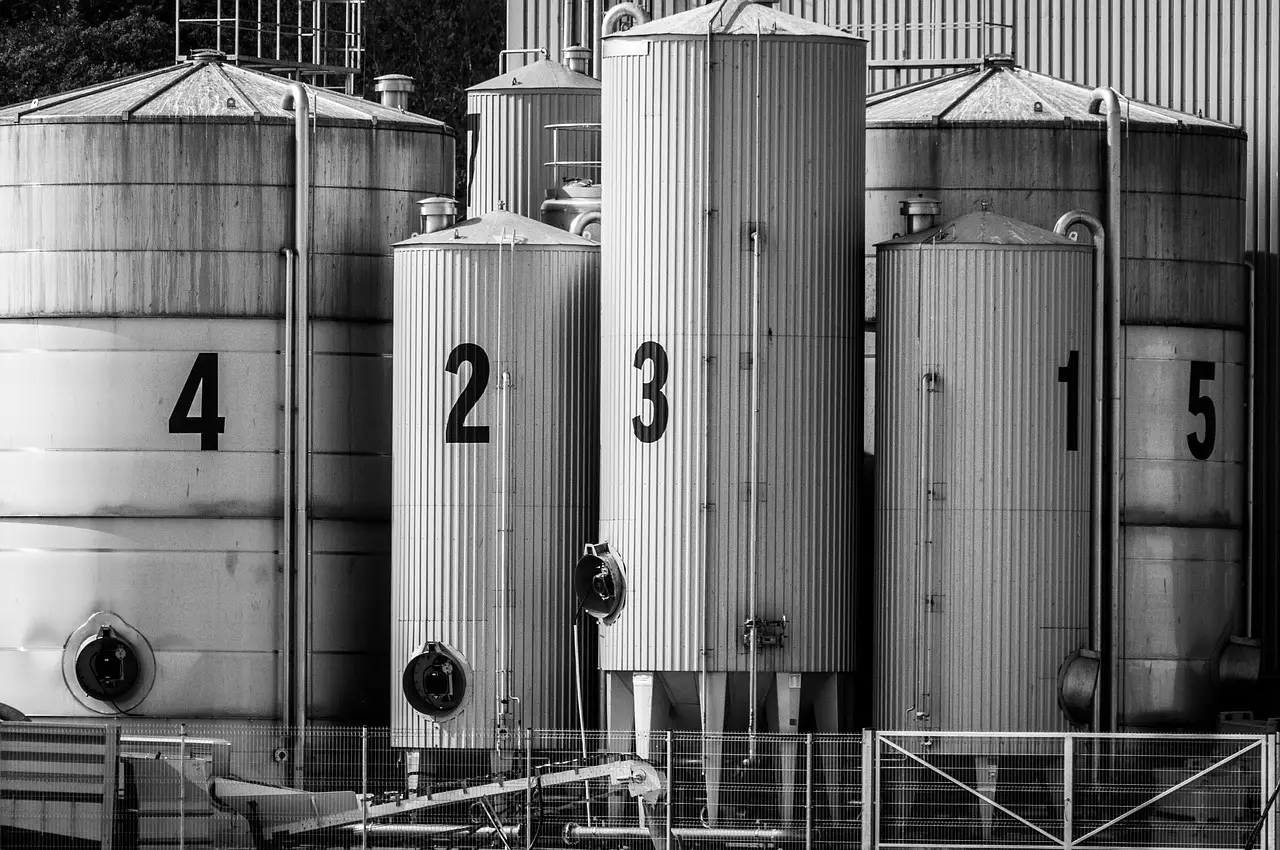
Ofgem, Great Britain's energy regulator, is expected to confirm state funding within weeks for a majority of battery projects that depend on Chinese-manufactured lithium-ion technology, despite mounting warnings over foreign interference risks to Europe's energy systems. Eleven of the sixteen projects on the regulator's provisional shortlist, published in June, rely on lithium-ion batteries typically manufactured in China and operated with Chinese software.
The shortlist stems from Ofgem's new "long duration" energy storage scheme, which the regulator is under pressure to advance because it needs projects capable of storing renewable energy and releasing it back to the grid for at least eight hours at a time. That capability would help reduce the cost of balancing the grid. Ofgem is expected to finalise its selections in the coming weeks.
Who is behind the shortlisted projects?
Two developers dominate the lithium-ion entries. Field Energy is behind five projects, and Statera Energy has three, including one pumped hydro project and two lithium-ion batteries. Both companies have long-established links to Chinese manufacturers that supplied batteries for their past projects.
Field Energy has typically sourced its battery technology from Envision Energy, which US senators have identified as one of six companies closely linked to the Chinese Communist party. Statera has previously sourced batteries from Envision and from Sungrow, the Chinese solar and battery maker that was the subject of an "ethical hack" by a German cybersecurity company earlier this year. The hackers claimed to have accessed hundreds of thousands of solar installations across Europe.
Both developers said they took security seriously and complied with all national security guidance at their sites. Amit Gudka, the chief executive of Field and the former boss of collapsed energy supplier Bulb, said the company wanted to play a part in creating a UK-based battery manufacturing industry to support future projects. The claim is a stated ambition, not a delivered commitment, and no UK manufacturing timeline accompanied it.
Why did lithium-ion dominate?
Cost decided the contest. The low price of lithium-ion batteries allowed the eleven projects to outcompete homegrown renewable energy storage technologies for places on the sixteen-strong shortlist. Ofgem's assessment is heavily weighted towards the cost of each project.
The weighting has consequences. Invinity Energy Systems, a British producer of vanadium flow batteries, threatened to reconsider its plans to manufacture batteries in the UK after Ofgem selected just one project using its alternative storage technology. One British technology made the list. Eleven Chinese-dependent projects did.
Senior industry sources have said the regulator's assessment criteria did not adequately consider the security and economic benefits of backing British storage technologies over cheaper Chinese imports.
What does the assessment actually cover?
The regulator considers each project's proposed IT and security measures, but only to the extent those systems might delay "their stated delivery timelines" in the early 2030s. That framing is narrow. It tests whether security systems slow construction, not whether they work.
The regulator does not appear to specifically consider the risk of security breaches during the lifetime of the projects once they are delivered, although developers would be expected to comply with the government's general cybersecurity guidance. The gap sits between commissioning and decades of operation, and nothing in the published criteria addresses it.
An Ofgem spokesperson said: "We assessed projects against the legal and policy framework set by government and parliament, and are carefully considering consultation responses before reaching final decisions." The statement describes process. It does not address the lifetime security question.
A UK government spokesperson said: "The security of our energy system is our priority and we are taking action to build secure and resilient battery supply chains and reduce vulnerabilities, while investment in the UK's energy sector is subject to the highest levels of national security scrutiny." No detail on the specific action accompanied the statement.
What warnings preceded the decision?
The final selection is expected months after a report by Michael Collins, a former deputy head of national security strategy at the UK Cabinet Office, warned that Europe was "sleepwalking" into a series of economic and national security problems because of an overreliance on Chinese-made green technology. Collins wrote as a former official. His report preceded, and did not alter, the shortlist's composition.
For practitioners and developers, the outcome carries practical weight. Companies betting on non-lithium storage technologies now face a subsidy framework that prices their product against Chinese hardware, while those with Chinese supply chains face no project-level lifetime security test beyond general guidance. Final decisions in the coming weeks will set the template for the next funding rounds, and consultation responses remain the last formal avenue to shift the criteria before the money moves.
In plain terms: the cheapest batteries are set to win British subsidy money, and the security test they face ends the day the project's delivery timetable is judged.
via theguardian.com (Source)
More from Priya Raman
Show full bio
Staff writer covering companies, deals and strategy in International law and legal practice at Global Law Wire.
376 articles
Also before the court
- WTO Panel Faults US in China Clean Energy Subsidies Dispute
- UK Car Industry to Demand Two-Year Delay to Brexit EV Tariffs
- China Escalates WTO Challenge to India's EV Subsidy Regime
- India Bans Export of Battery Waste and Lithium-Ion Black Mass
- Bessent Publicly Faults Commerce Over Nvidia Chip Export Controls