Law report No. GLW-4634 · filed October 2, 2026
Courts & TribunalsReported case
Myanmar Opens Defence at ICJ in Landmark Rohingya Genocide Case
Myanmar told the ICJ that Gambia's genocide case rests on "unsubstantiated allegations" as merits hearings opened in The Hague on 16 January 2026.
By Marcus Bennett3 min read589 words
Holding
- Myanmar opened its defence at the ICJ in The Hague on 16 January 2026, rejecting Gambia's allegations as "unsubstantiated allegations."
- Gambia filed the application in November 2019, alleging violations of the 1948 Genocide Convention during military operations in Rakhine state.
- The hearings mark the first time the ICJ is examining the merits; the final judgment, expected months after hearings conclude, will be legally binding.
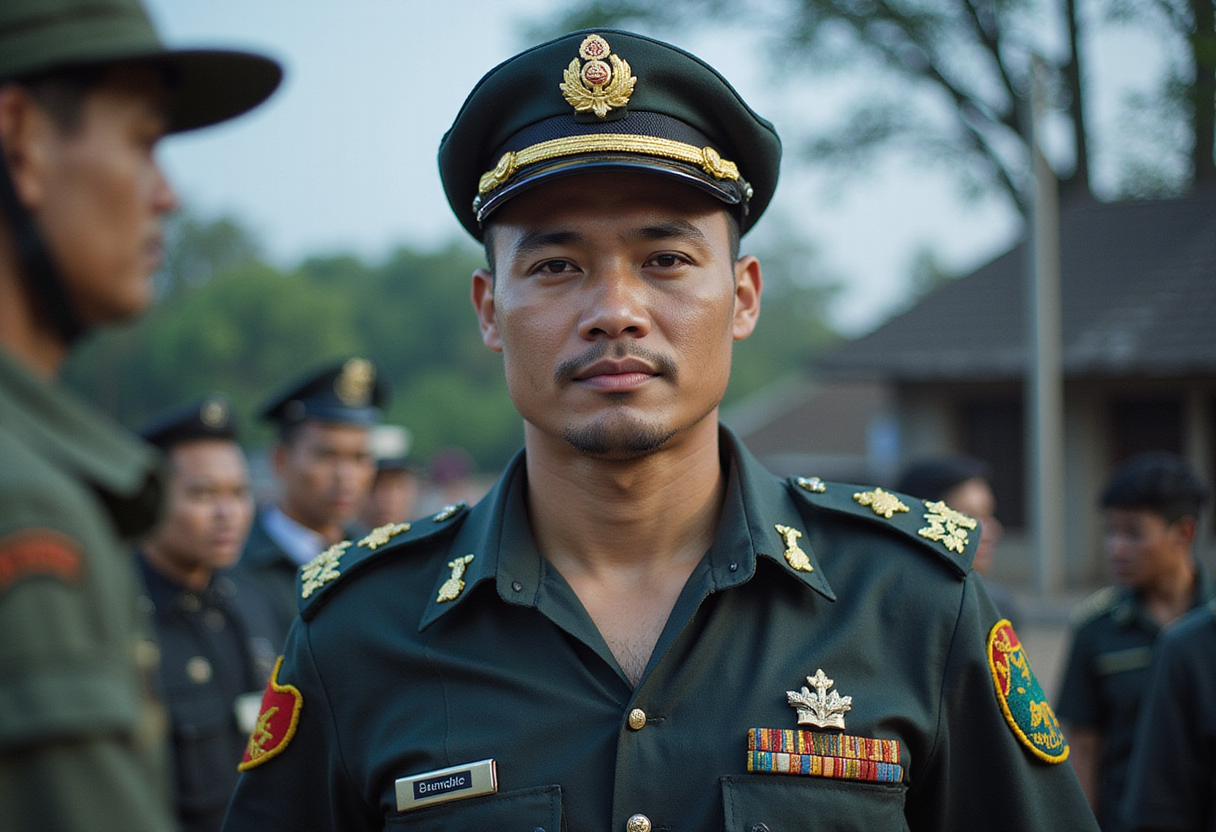
The International Court of Justice on Friday, 16 January 2026, heard Myanmar open its defence in the landmark genocide case brought by Gambia, with the respondent state rejecting the allegations outright and telling the Court in The Hague that the case rests on "unsubstantiated allegations."
Speaking as Myanmar's agent before the ICJ, Ko Ko Hlaing said his country fully recognizes the importance of the 1948 Convention on the Prevention and Punishment of the Crime of Genocide but firmly denies breaching its obligations under international law. The public hearings, which continue through late January, mark the first time the Court is examining the merits of the dispute.
"A finding of genocide would place an indelible stain on my country and its people," Ko Ko Hlaing told the judges, describing the proceedings as "of fundamental importance for my country's reputation and future."
Attacks on the evidentiary record
Myanmar's agent accused the applicant of relying on material he called rudimentary and partisan, including reports by a fact-finding mission, "which are neither reliable nor objective, and were a condemnation without trial of Myanmar."
The defence also targeted the core characterisation of the military's "clearance operations" in northern Rakhine state in 2016 and 2017. Myanmar rejected claims that the operations were genocidal in intent, maintaining they were counter-terrorism operations launched in response to attacks by armed groups.
"Obviously, Myanmar was not obliged to remain idle and allow terrorists to have free rein of northern Rakhine state," Ko Ko Hlaing told the Court. He acknowledged that civilians were killed and that large numbers of people fled to Bangladesh as a result of the clashes.
On questions of citizenship, terminology and identity for the Muslim population in northern Rakhine state, Myanmar's agent argued these issues "have nothing to do with genocide," disputing allegations that the state denies the existence or rights of that population.
Compliance and repatriation
Myanmar told the Court it has complied with all of the Court's procedural orders, including the provisional measures issued in January 2020, and has submitted regular reports on the steps taken. The state also reiterated its stated commitment to the repatriation of displaced people from Bangladesh, citing bilateral agreements and pointing to delays caused by the COVID-19 pandemic and natural disasters.
The case before the ICJ
Gambia filed the application in November 2019, accusing Myanmar of violating the Genocide Convention through acts allegedly committed during military operations in Rakhine state. Those operations escalated in 2017, forcing more than 700,000 Rohingya to flee to Bangladesh amid widespread killings, sexual violence and village burnings, according to UN investigations. Nearly one million Rohingya remain refugees in Bangladesh today.
The Court's final judgment, which could take months after the hearings conclude, will be legally binding on the parties.
What this means for practitioners
For international law practitioners, the hearings open the merits phase of one of the most consequential interstate genocide cases in the ICJ's recent history. The case tests how the Court weighs fact-finding mission reports and third-party evidence against a respondent state's rebuttal, and how the intent requirement under the Genocide Convention is applied to counter-insurgency operations. Parties monitoring compliance with the 2020 provisional measures should track the evidentiary record on reporting and repatriation. Because the eventual judgment binds the parties, the ruling will shape state responsibility analysis under the 1948 Convention and set a precedent for interstate genocide claims brought by states without direct involvement in the disputed conduct, as Gambia has done here.
via news.un.org (Original)
More from Marcus Bennett
Show full bio
Market editor covering marketplaces and e-commerce at Global Law Wire.
192 articles
Also before the court
- ICJ Opens Merits Hearings in Gambia v. Myanmar Genocide Case
- Gambia v Myanmar Genocide Case Enters Final Phase at ICJ
- World Court to Hear Myanmar Genocide Case in January
- Gambia v. Myanmar at the ICJ: How a 2019 Filing Reshaped Genocide Litigation
- ICJ Set to Rule in Gambia v. Myanmar Rohingya Genocide Case