Law report No. GLW-6225 · filed October 10, 2026
Courts & TribunalsReported case
Gambia v. Myanmar at the ICJ: How a 2019 Filing Reshaped Genocide Litigation
The ICJ's January 2026 hearings in Gambia v. Myanmar cap a case that has already reshaped who may enforce the Genocide Convention and how courts grant emergency relief.
By Amara Osei3 min read645 words
Holding
- ICJ held three weeks of merits hearings in Gambia v. Myanmar in January 2026; a final ruling is at least six months away.
- The Gambia filed against Myanmar in November 2019 under the Genocide Convention.
- In January 2020, the ICJ held that 'any State party to the Genocide Convention may invoke the responsibility of another State party,' a position it reaffirmed in 2022.
- South Africa instituted proceedings against Israel in December 2023, citing the Gambia precedent; the ICJ ordered provisional measures in January 2024.
- In Ukraine v. Russia, 33 states sought to intervene under Article 63 of the ICJ Statute; the court admitted all but one.
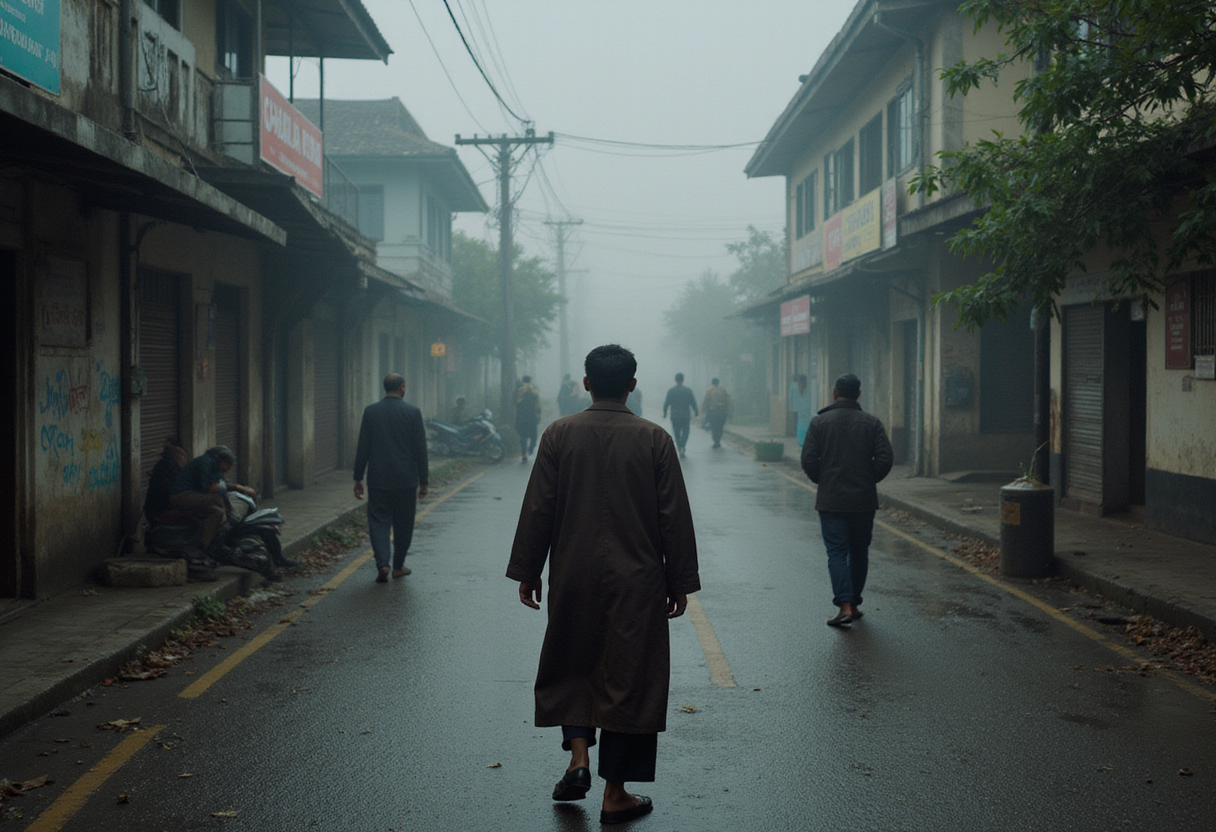
The International Court of Justice devoted three weeks in January 2026 to hearings on the merits of the Rohingya genocide case, brought by The Gambia against Myanmar in November 2019 under the Convention on the Prevention and Punishment of the Crime of Genocide. A final ruling is at least six months away, but the case has already redrawn the procedural map of international human rights litigation.
The court's most consequential step came early. Myanmar asked the ICJ to throw out the case, arguing that The Gambia had no link to the Rohingya or to Rakhine State. The court refused in January 2020 and reaffirmed the point in 2022, holding that "any State party to the Genocide Convention may invoke the responsibility of another State party." The obligation to prevent and punish genocide, the judges reasoned, runs to every state collectively.
What does the standing ruling change for practitioners?
The decision gave litigants a new tool: the erga omnes partes doctrine, which permits any state party to a multilateral human rights treaty to enforce it on behalf of the community of parties. The Gambia v. Myanmar marked the doctrine's first definitive application to the Genocide Convention. Earlier ICJ rulings — the 1970 Barcelona Traction case and the 2012 Belgium v. Senegal decision under the Torture Convention — laid the groundwork.
The practical effect arrived quickly. In December 2023, South Africa filed a case against Israel over alleged genocide in Gaza. South Africa cited The Gambia's precedent. Israel did not challenge South Africa's standing, even though Pretoria had no direct link to the alleged victims. Without the 2020 ruling, the filing would likely have stalled in preliminary litigation.
How did the Myanmar case shape provisional measures?
The ICJ also expanded its use of emergency orders. For the first time in a Genocide Convention dispute, the court applied a plausibility standard imported from other jurisprudence. It ordered Myanmar to prevent acts of genocide against the Rohingya, finding that the right to protection and The Gambia's right to seek compliance were plausible on the record before it.
The court drew on its 2007 Bosnia merits ruling, which permitted inference of genocidal intent from a pattern of conduct, and on UN fact-finding reports on killings and systematic village burnings in Myanmar. South Africa relied on similar UN documentation in its filing. When the ICJ ordered provisional measures against Israel in January 2024, the order tracked The Gambia's case closely and added new elements, including a reporting requirement on humanitarian aid delivery.
What does the Ukraine intervention ruling signal?
Thirty-three states sought to intervene in Ukraine's case against Russia under Article 63 of the ICJ Statute. The court admitted all but one. The scale of third-state participation reflects the judges' view that the Genocide Convention's interpretation now carries consequences for every state party.
Ukraine's case is narrower. The court is testing whether Russia falsely invoked the Genocide Convention to justify its 2022 use of force, not whether Russia committed genocide.
What does the merits ruling still need to decide?
The pending judgment will address the evidentiary threshold for genocidal intent and may produce a formal finding and reparations framework for the Rohingya. Adam Simpson and Juliette McIntyre, both senior lecturers at Adelaide University, write that the ruling "will carry significant weight" when it issues later this year. Enforcement, however, will remain difficult.
Why does this case matter beyond Myanmar?
Even before the merits decision, the case has clarified who may enforce multilateral human rights treaties and how the ICJ frames emergency relief in genocide disputes. The Gambia v. Myanmar has become the spine of the court's emerging genocide docket — cited in Pretoria's filing, echoed in The Hague's provisional measures order against Israel, and embedded in the intervention ruling that drew 32 states into Ukraine's suit against Moscow.
via doi.org (Original)
More from Amara Osei
Show full bio
Senior reporter covering industry trends and analytics at Global Law Wire.
186 articles