Law report · filed November 22, 2026
Courts & TribunalsReported case
Madras High Court Clears Way for Bangladesh's Challenge to Bengal's Tangail Saree GI Tag
Justice PB Balaji dismissed the weavers' society's standing objection on November 20, sending Bangladesh's challenge to the Tangail saree GI tag to a December 7 hearing.
By Grace Kim3 min read692 words
Holding
- Justice PB Balaji dismissed the Society's rejection application on November 20, 2026.
- The GI Registry in Chennai granted the Tangail saree GI tag on January 2, 2024.
- The Deputy Commissioner of Tangail, Bangladesh, filed the challenge; hearing set for December 7.
- The Society filed its GI application on September 8, 2020, calling the saree a Shantipur–Dhaka-Tangail hybrid.
- The standing argument relied on Section 27 of the GI (Registration and Protection) Act, 1999.
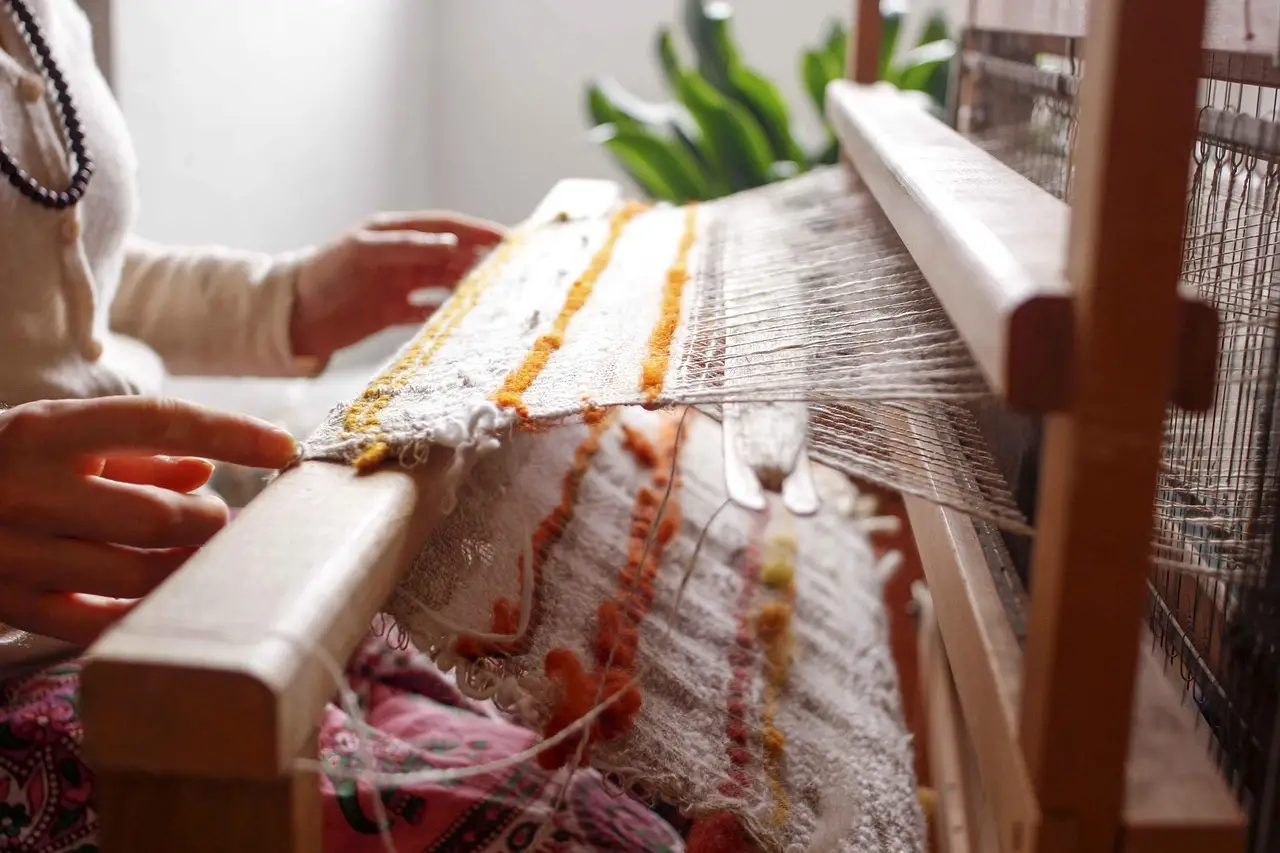
The Madras High Court on November 20 refused to reject Bangladesh's challenge to the Geographical Indications (GI) tag granted to West Bengal's Tangail saree. Justice PB Balaji dismissed an application by the West Bengal State Handloom Weavers Co-operative Society, which had argued the Bangladeshi official behind the petition lacked standing. The court will now hear the main petition on December 7.
The dispute reaches across the partition-era history of a single textile tradition and tests who may claim ownership of a GI-protected craft that spans two nations.
Who brought the case?
The petitioner is the Deputy Commissioner of Tangail district in Bangladesh. He filed the challenge after the Registrar of Geographical Indication at the GI Registry in Chennai issued a certificate on January 2, 2024. That certificate granted the GI tag to the Tangail saree and named the West Bengal State Handloom Weavers Co-operative Society Limited as its registered proprietor.
The Deputy Commissioner asked the Madras High Court to cancel the GI tag outright. In the alternative, he sought rectification — a direction that the GI registry take note of his plea and correct the register.
The Society responded with an application to reject the petition at the threshold. It argued the Deputy Commissioner was not an "aggrieved person" under Section 27 of the Geographical Indications of Goods (Registration and Protection) Act, 1999. That provision governs who may apply for cancellation or variation of a registered GI.
Justice Balaji dismissed that application on Friday. The Bangladeshi petition therefore proceeds on its merits.
The takeaway: the standing objection is gone, and the GI tag itself is now squarely in issue.
What is the history behind the saree?
The Tangail saree is traditionally woven on fly shuttle pit looms. Weavers use 100s cotton yarn, silk yarn, tassar yarn and synthetic filament yarn. The saree traces its origin to Tangail district, which now lies in Bangladesh.
After partition, large numbers of weavers migrated from Bangladesh to Shantipur in West Bengal, particularly to the Fulia area. There they began weaving sarees that blended Shantipur designs with Dhaka-Tangail designs.
That hybrid heritage sits at the centre of the dispute. When the Society filed its GI application on September 8, 2020, it stated that the Tangail saree of Bengal did not originate in Tangail in East Bengal, now Bangladesh. Instead, it described the product as a hybrid of Shantipur design and Dhaka-Tangail weaving traditions.
The Indian registry accepted that account and registered the tag in January 2024. Bangladesh's district administration now says that account improperly appropriates a Bangladeshi geographical name.
The takeaway: both countries claim the same craft, and the name of a Bangladeshi district now sits on an Indian GI register.
What does the ruling change for practitioners?
For GI practitioners, the December 7 hearing carries weight well beyond textiles. If the Madras High Court entertains a foreign district authority's challenge to an Indian GI registration, it signals a broader reading of who counts as aggrieved under Section 27 of the 1999 Act — one that may extend across borders when a geographical name is shared by two countries.
Registered proprietors of GIs tied to partition-era migrations, colonial-era boundaries or cross-border craft traditions should track the case closely. A rectification order here would create a template for similar challenges to other hybrid-origin tags. Conversely, a dismissal would confirm that production within the registering jurisdiction, backed by a documented migration history, can sustain a GI claim despite the foreign place name.
The takeaway: cross-border GI claims are now live litigation risk, not academic debate.
What happens next?
The main petition comes up for hearing on December 7 before the Madras High Court. The court will consider both the cancellation request and the alternative rectification relief against the GI registry's January 2, 2024 certificate.
The West Bengal Society retains its position as registered proprietor unless and until the court orders otherwise. Its sarees continue to carry the Tangail GI tag in the interim.
The takeaway: the tag stands for now, but December 7 will decide whether it survives contact with a rival claim from Dhaka.
via livelaw.in (Source)
More from Grace Kim
Show full bio
Correspondent covering companies, deals and strategy in International law and legal practice at Global Law Wire.
373 articles
Also before the court
- Gauhati High Court rejects claim over missing family linkage
- MP High Court Rebukes State Over Fabricated Case Name in AI Pleadings
- Forged High Court Orders Triggered Blocking of 129 Websites
- Jharkhand HC Lets ED Pursue PMLA Action After Acquittal in Predicate Offence
- Gauhati High Court: PAN, voter ID alone cannot prove citizenship