Law report No. GLW-1892 · filed November 11, 2026
LegislationReported case
Leaked Draft Revives German Bid to Carve Up Freedom of Information
A September 30 draft leaked on November 5 proposes excluding critical infrastructure from Germany's Freedom of Information Act. Civil society calls it a Trojan horse.
By Amara Osei3 min read590 words
Holding
- A draft law dated September 30 was leaked publicly on November 5.
- The proposal would exempt critical infrastructure records from Germany's Freedom of Information Act.
- A previous attempt to gut the Act stalled in June after pushback, including from within the Social Democrats.
- FragDenStaat called the exclusionary clause a 'Trojan horse.'
- The Act already exempts information that could jeopardize public security.
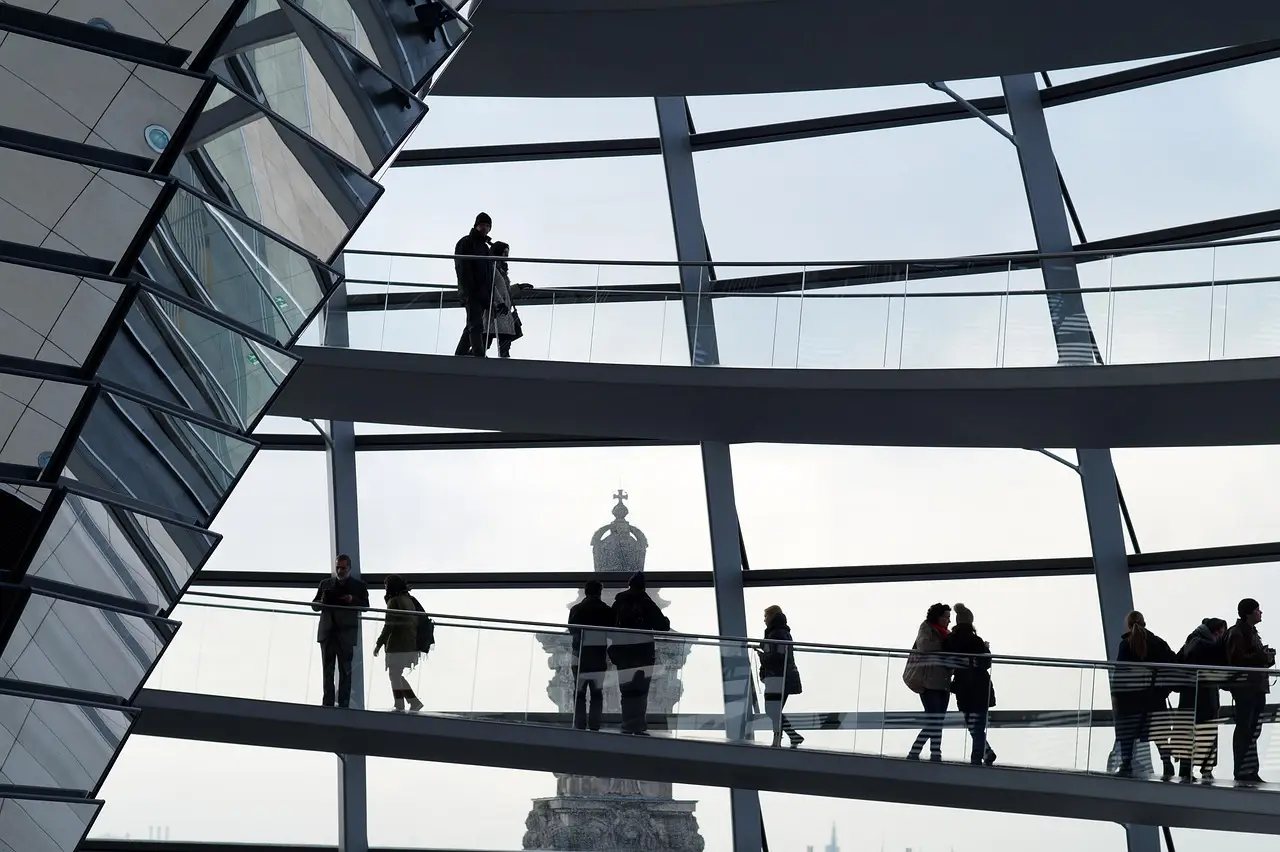
A draft law dated September 30 and leaked on November 5 proposes to exempt all information about critical infrastructure from Germany's Freedom of Information Act, reviving a transparency fight that the coalition government appeared to have lost only months earlier.
The document comes from the Interior Ministry. Its full title is a study in bureaucratic deterrence: the Law on the Adjustment of Transparency, Disclosure, and Information Duties to Ensure Adequate Protection of Critical Infrastructure. The name is long. The intent, critics say, is blunt.
What does the draft actually change?
The proposed amendment would exclude the Freedom of Information Act's application to any requests about state actions relating to "critical infrastructure" or infrastructure deemed "in particular need of protection to maintain public security."
Neither term is precisely defined. That vagueness is the point, according to the platform FragDenStaat, a German civil society organization focused on freedom of information. It called the exclusionary clause a "Trojan horse" that risks allowing blanket rejection of requests touching "energy, transportation, healthcare, finance, water, food, and much more."
In practice, authorities receiving information requests would gain broad discretionary powers to refuse them. The list of potentially affected sectors is not narrow. It covers, on FragDenStaat's reading, most of the machinery of daily life.
Why now? A June retreat, a September return
This is the government's second attempt in under a year. In June, an earlier draft that would essentially have gutted the Freedom of Information Act stalled after wide pushback from civil society. The resistance came not only from outside. It came from within the Social Democrats themselves, a partner in the coalition government.
The June bill retreated. The September 30 draft reappears, narrower in form and, critics argue, no narrower in effect.
What is at stake for practitioners?
Germany's Freedom of Information Act currently allows anyone to request access to public records. Human rights organizations and journalists rely on such laws as an effective, and sometimes the only, avenue to scrutinize state actions and hold authorities to account. Overbroad exclusions of the kind now proposed would curtail that access and reduce state transparency.
The redundancy is notable. The Act already stipulates that official information capable of jeopardizing public security is exempt from disclosure. A new infrastructure carve-out would add discretion where a targeted security exemption already exists. Practitioners handling access requests in the energy, transport, health, finance, water and food sectors should expect, if the draft passes, refusals to become the default rather than the exception, and litigation over the meaning of two undefined phrases to follow.
What does international law require?
Under international human rights law, Germany is obliged to protect the right to seek and receive information as part of the right to freedom of expression. The established standard is that information about government action should be withheld only in exceptional cases, not through blanket exceptions.
A categorical exclusion for critical infrastructure inverts that structure. It makes secrecy the rule and disclosure the exception.
What happens next?
No date for parliamentary consideration appears in the leaked material. What is known is the trajectory: a June defeat, a September redraft, a November leak. Access to information, as human rights groups note, is essential for effective public participation and for ensuring the public has reliable information that strengthens trust in democratic institutions.
The government's own civil society partners, and at least one coalition party, have said as much. The government, human rights advocates argue, should drop its efforts to undermine the right it is obliged to protect.
via hrw.org (Source)
More from Amara Osei
Show full bio
Senior reporter covering people, launches and day-to-day practice in International law and legal practice at Global Law Wire.
327 articles
Also before the court
- German Parliament Approves Sweeping Expansion of Intelligence Powers
- Canada's Parliament Passes Cybersecurity Bill With Privacy Caveats
- Supreme Court's Trump v. Slaughter Ruling Puts EU-US Data Transfers in Focus
- EU Expands Russia Sanctions Blacklist in Record Designations
- EU Court Puts Authorities' Information Powers Under Legal Microscope