Law report · filed November 20, 2026
Regulation & EnforcementReported case
Kenyan MPs Approve Open Access Power Market Rules With Conditions
Kenya's delegated legislation committee conditionally approved the 2026 open access electricity regulations, opening direct IPP-to-industry sales subject to EPRA revisions and participation proof.
By Grace Kim2 min read440 words
Holding
- National Assembly Committee on Delegated Legislation conditionally approved the Energy (Electricity Market, Supply and Open Access) Regulations, 2026 on Thursday.
- EPRA must incorporate committee recommendations and prove public participation was properly done.
- Regulation 11 on performance security will be refined to protect buyers if a supplier fails to deliver.
- Kenya has had a structurally separated power sector since 1997.
- EPRA was directed to submit seven upcoming upstream energy regulations before publication.
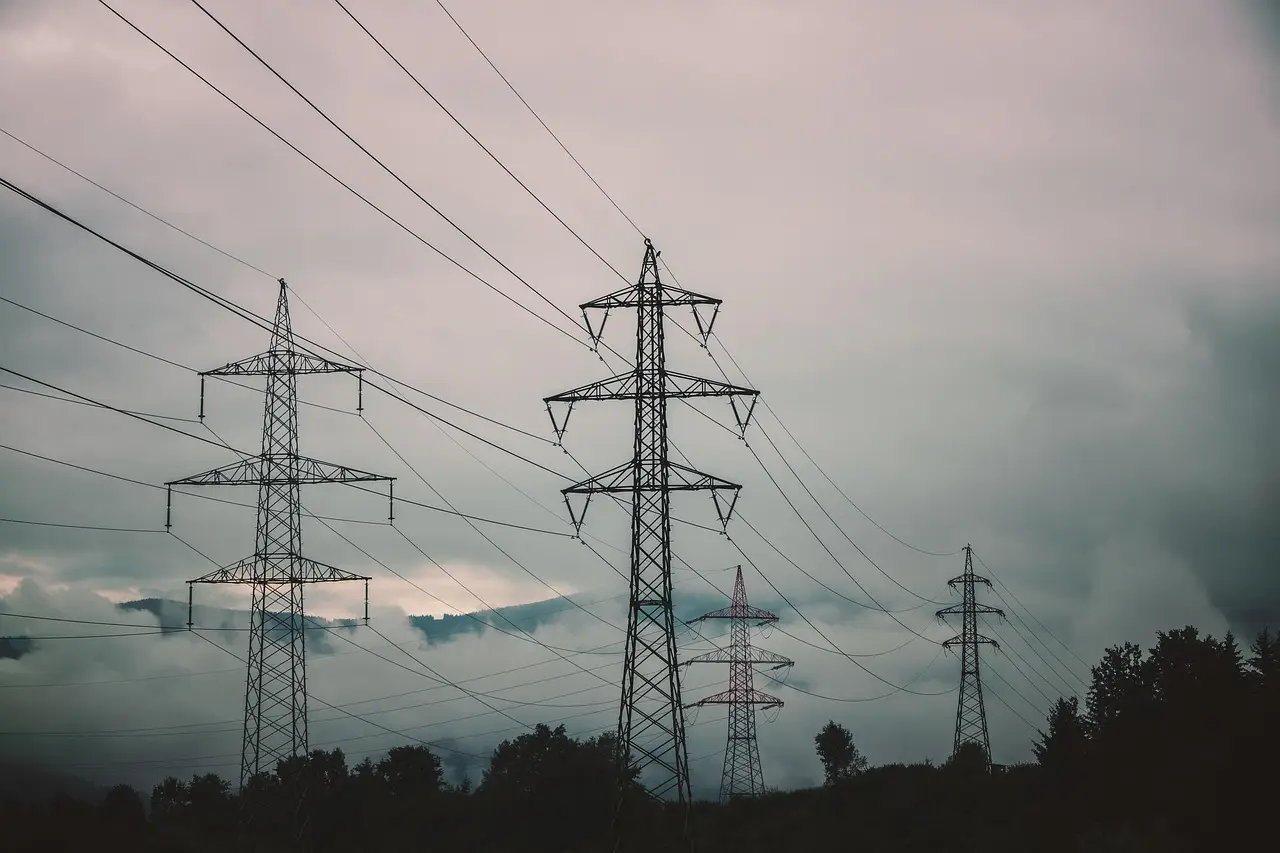
Kenya's National Assembly Committee on Delegated Legislation on Thursday conditionally approved the Energy (Electricity Market, Supply and Open Access) Regulations, 2026, clearing a path for independent power producers to sell electricity directly to factories and other large consumers.
The endorsement carries two conditions. The Energy and Petroleum Regulatory Authority (EPRA) must fold the committee's recommendations into the draft, and it must produce proof that public participation was properly conducted.
What does the approval change?
Under the proposed rules, IPPs would bypass the current bulk-purchase arrangement and trade directly with industrial consumers and retail buyers. They would still move that power over the existing transmission and distribution grid, paying regulated charges for wheeling.
EPRA Director General Edward Kinyua told the committee the market has long been monopolised. He argued the reforms would shift how electricity is traded and could bring tariffs down.
That optimism comes with a caveat. Whether bills actually fall will depend on how the framework is implemented and how much competition it attracts.
For energy-sector practitioners, the practical consequence is straightforward: clients with generation assets gain a route to commercial and industrial offtake contracts outside the single-buyer model, while grid users will face a new regulated wheeling-charge regime that will shape contract pricing.
How did MPs scrutinise the draft?
Ainabkoi MP Samuel Chepkonga, who chairs the committee, anchored the review in Article 94 of the Constitution, which gives Parliament authority over subsidiary legislation.
MPs examined the draft clause by clause during the session.
- Kathiani MP Robert Mbui questioned why Regulation 11, on performance security, needed to separate supplier obligations from consumer obligations. Kinyua explained the security exists to protect buyers if a supplier fails to deliver, and undertook to refine the provision.
- Bonchari MP Charles Onchoke pressed for tighter statutory definitions of key terms, among them electricity market, ancillary services and open access. He warned that loose wording would create problems later.
The drafting requests matter for lawyers. Definitions of open access and ancillary services will determine licensing scope, dispute exposure and wheeling-rights enforcement once the rules take effect.
What is the wider context?
Kenya has run a structurally separated power sector since 1997, when generation, transmission and distribution were split into distinct functions. The new framework is also expected to deepen Kenya's participation in regional trading under the East African Power Pool.
The committee also directed EPRA to bring seven upcoming upstream energy regulations to it for scrutiny before publication.
The takeaway is plain: the open access market has parliamentary backing in principle, but only after EPRA redrafts, documents participation and submits its next tranche of rules for vetting.
via nairobiwire.com (Source)
More from Grace Kim
Show full bio
Correspondent covering companies, deals and strategy in International law and legal practice at Global Law Wire.
373 articles
Also before the court
- Kenya's Proposed Standards Bill Targets Online Sellers With Heavier Fines
- Kenya Extends Relaxed Sulphur Limits for Petrol and Diesel
- Kenya and Singapore Sign Article 6.2 Carbon Trading Agreement
- Kenya Overhauls Used-Car Import Clearance After Ruto Directive
- Kenya Awards Mrima Hill Rare Earths Bid to US Consortium