Law report No. GLW-9620 · filed November 20, 2026
Regulation & EnforcementReported case
California Subpoenas Nvidia Over Chip Leaks to China
California AG Rob Bonta subpoenaed Nvidia Thursday over whether its chips or secrets reached China and whether it misled investors, citing 'bright red flags' in the Huang spy scandal.
By Sophie Lindqvist3 min read650 words
Holding
- California AG Rob Bonta served an investigative subpoena on Nvidia on Thursday, Oct. week.
- Nvidia shares have fallen 22% in nine trading days; the stock is down 38% over seven straight weekly losses.
- Jensen Huang resigned last week and is set for a closed-door House interview on Dec. 1; GC Tim Teter follows Dec. 2.
- Megaspeed, the Singapore firm linked to the scandal, is under investigation in the U.S. and Singapore and denies smuggling chips.
- No publicly disclosed evidence shows Nvidia technology was improperly transferred to China.
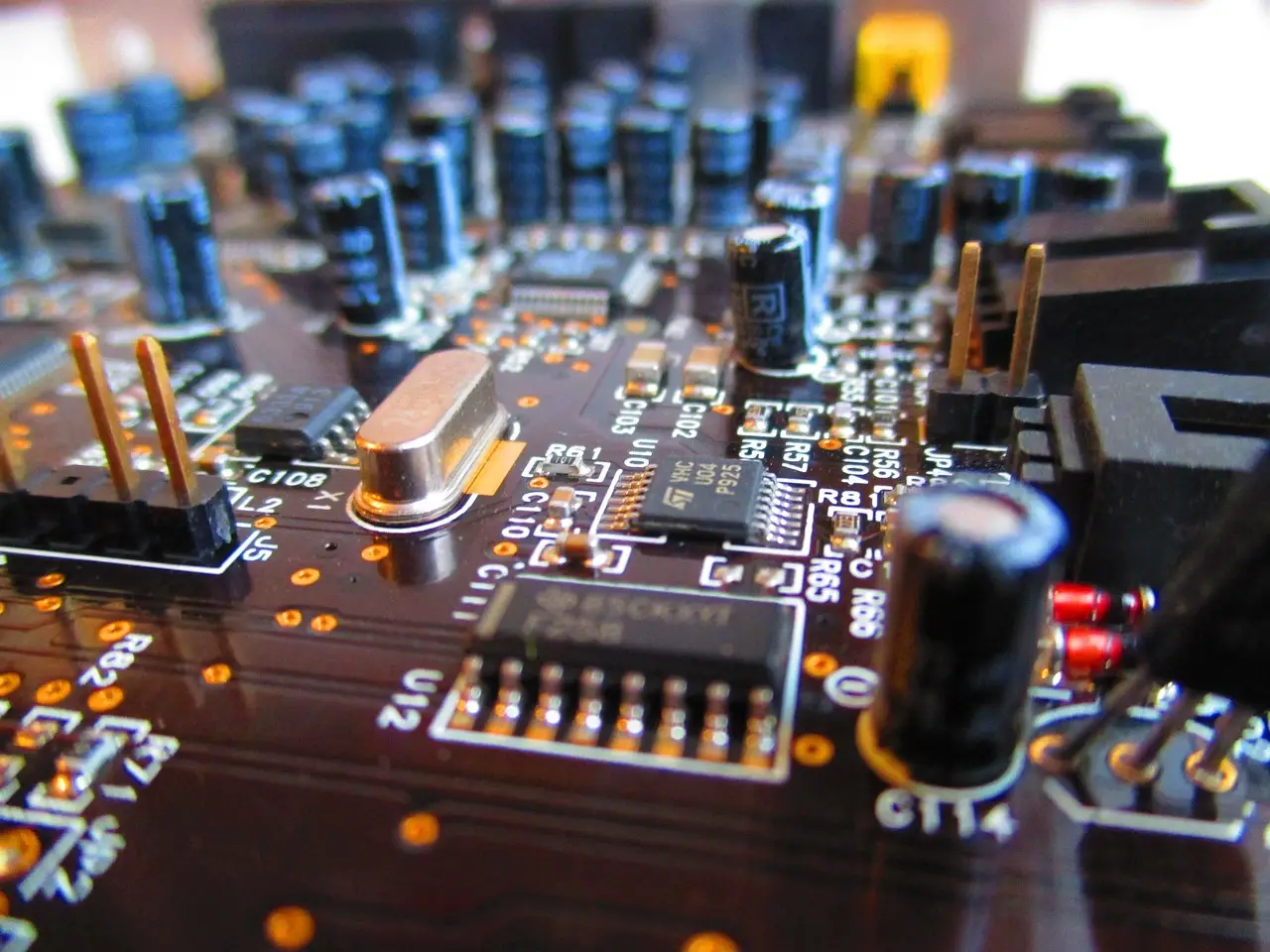
California's attorney general served an investigative subpoena on Nvidia on Thursday, seeking evidence on whether the company's advanced chips or confidential information reached China and whether it misled investors about that risk.
Attorney General Rob Bonta announced the action against the Santa Clara chipmaker himself. His office wants to know if Nvidia broke California corporate securities law (the state rules barring companies from deceiving their shareholders).
"The conduct of Nvidia and its former CEO raises bright red flags, including about the ways in which the company may have misled investors," Bonta said in a statement.
"Nvidia is in a messy, transnational situation but the underlying principle of our corporate securities law is clear: Companies cannot mislead their investors," he added.
Bonta had flagged possible action Tuesday in a Bloomberg Television interview, Newsweek reported. He told Politico his office is "specifically investigating whether Nvidia's advanced chips or their confidential information may have gone to China and whether Nvidia misled investors and the public." Nvidia did not immediately respond to a request for comment, according to CNBC.
What triggered the investigation?
The subpoena escalates fallout from a scandal that has already cost Nvidia its CEO. Jensen Huang resigned last week after reports of extramarital affairs, including one with Alice Huang, an executive at Singapore-based Megaspeed. She is not related to him.
U.S. intelligence officials have reportedly suspected her of working for China's Ministry of State Security, the country's main civilian intelligence agency. Nvidia sold chips to Megaspeed, and Washington officials worry at least some were later diverted to China, CNBC reported earlier this week.
Megaspeed is under investigation in the U.S. and Singapore over alleged chip smuggling into China. The company has denied the allegations, CBS News reported.
The subpoena landed two days after Nvidia's board ruled out bringing Huang back as chief executive, despite a campaign by prominent business and political figures to restore him.
Is anyone guilty of anything yet?
No. That point matters. A subpoena is a demand for information, not a finding of wrongdoing. No publicly disclosed evidence has shown that Huang knowingly helped Chinese intelligence or that Nvidia technology was improperly transferred.
Think of the subpoena as an intake valve, not a verdict: it lets Bonta's investigators compel documents and testimony before deciding whether to file a case.
What's the market damage?
The numbers are stark. Nvidia shares have fallen 22% in the nine trading days since Huang admitted the affair, according to CNBC. The stock is on pace for a seventh straight weekly loss, down 38% over that stretch.
That slide frames the securities angle. If Nvidia knew its chips faced diversion risk and said nothing, California law gives the state attorney general a route to pursue the company over statements to shareholders.
What happens in Washington?
Congress is moving on a parallel track. Huang is set to sit for a closed-door transcribed interview with the House Foreign Affairs, China Select and Intelligence committees on Dec. 1. Nvidia general counsel Tim Teter follows on Dec. 2, the committee chairmen announced.
"The American people need answers on Mr. Huang and Nvidia's role in allowing dangerous PRC actors to access our most advanced chips," said Reps. Brian Mast, John Moolenaar and Rick Crawford.
Huang has also agreed to testify publicly before the Senate Banking Committee, CBS News reported. No date has been set.
What should practitioners watch?
Three things. First, the scope of Bonta's subpoena: whether it targets export-control exposure, disclosure failures, or both. Second, whatever emerges from the Dec. 1-2 House interviews, which could hand state investigators ready-made material. Third, the shareholder litigation that typically follows a 38% drawdown tied to a disclosure controversy.
For now, Nvidia faces a state probe, congressional scrutiny and a sliding stock — with no public proof yet that any chip or secret actually reached China.
via conservativedailynews.com (Source)
More from Sophie Lindqvist
Show full bio
News editor covering people, launches and day-to-day practice in International law and legal practice at Global Law Wire.
361 articles
Also before the court
- Nvidia Investor Sues Over CEO's Affair With Suspected Chinese Spy
- Nvidia Review Follows Alleged Foreign Intelligence Targeting of Huang
- Justice Department Takes Lead in Criminal Probe of Chip Firm Megaspeed
- Nvidia Loses $430bn and Hires Wachtell to Probe Spy Claims
- Nvidia CEO resignation brings US scrutiny of China chip controls