Law report No. GLW-4973 · filed November 4, 2026
Courts & TribunalsReported case
ICJ to Rule November 19 on Myanmar Genocide Case
The International Court of Justice will rule on November 19 on Gambia's case alleging Myanmar violated the Genocide Convention over the Rohingya. Eleven states intervened.
By Sophie Lindqvist3 min read546 words
Holding
- ICJ judgment due November 19 at 10 a.m. in The Hague.
- Gambia filed the case against Myanmar in 2019; 11 states intervened.
- Over 700,000 Rohingya fled Rakhine State after the August 2017 military crackdown.
- Case concerns the 1948 Genocide Convention; proceedings stream on UN Web TV.
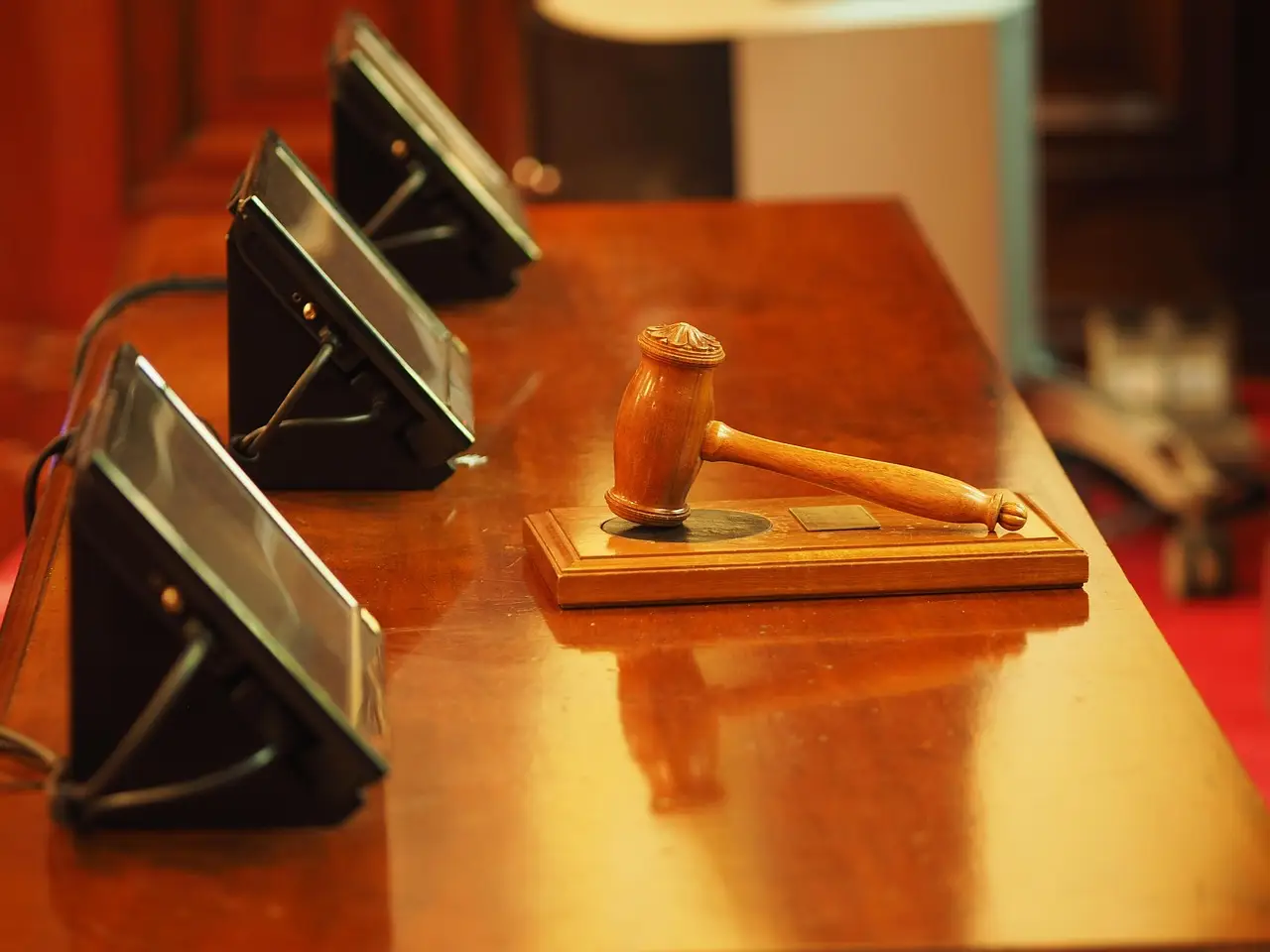
The International Court of Justice will deliver its judgment on November 19 on whether Myanmar violated the UN Genocide Convention in its treatment of the Rohingya Muslim minority, the court announced on Tuesday.
The ruling is scheduled for 10 a.m. local time in The Hague. The case was brought by Gambia in 2019. Eleven states have intervened in the proceedings (a formal step letting third countries submit legal arguments to the court). The proceedings will stream live on UN Web TV.
The case's full title is Application of the Convention on the Prevention and Punishment of the Crime of Genocide (The Gambia v. Myanmar).
What does the case allege?
The lawsuit accuses Myanmar of breaching its obligations under the 1948 Convention on the Prevention and Punishment of the Crime of Genocide (the treaty defining genocide as acts intended to destroy a national, ethnic, racial or religious group, in whole or in part). The alleged breaches occurred during military operations against the Rohingya.
More than 700,000 Rohingya fled Myanmar's Rakhine State after a military crackdown began in August 2017. Most sought refuge in neighbouring Bangladesh.
The Rohingya are a stateless Muslim minority. They have faced decades of discrimination and displacement in Myanmar. The UN has described them as the world's most persecuted minority.
A report by the Ontario International Development Agency estimated that thousands were killed by Myanmar's security forces.
Why did Gambia bring the case?
Gambia filed the suit in 2019. Members of the Rohingya community hailed the move as a "historic achievement."
The case is an example of state-party dispute under the Genocide Convention. Any state party to the treaty may sue another state party, even without a direct link to the victims. That mechanism let a small West African nation act as a proxy claimant for the Rohingya before the UN's highest court.
What happens on November 19?
The ICJ will read its judgment from the bench at the Peace Palace in The Hague, beginning at 10 a.m. The decision will address whether Myanmar violated the Genocide Convention during the 2017 military operations.
The court confirmed the date in a press release on November 3:
"The #ICJ will deliver its Judgment in the case concerning Application of the Convention on the Prevention and Punishment of the Crime of Genocide (The #Gambia v. #Myanmar: 11 States intervening) on 19 November at 10 a.m."
What's at stake?
The judgment closes a chapter in one of the most significant human rights cases on the ICJ's current docket. For the Rohingya, it offers a formal judicial reckoning for the 2017 exodus. For international lawyers, it tests how far the Genocide Convention's dispute-resolution clause can reach.
A finding of violation would carry significant legal and diplomatic weight. ICJ judgments are binding on the parties, though the court has no enforcement arm of its own. Compliance depends on political pressure and, where relevant, the UN Security Council.
For practitioners, the ruling on November 19 will be essential reading. It will shape how genocide claims are pleaded, how state-party standing is framed, and how intervening states can influence proceedings. Watch the operative paragraphs closely. They set out what Myanmar must do — or refrain from doing — next.
via t.co (Original)
More from Sophie Lindqvist
Show full bio
News editor covering people, launches and day-to-day practice in International law and legal practice at Global Law Wire.
297 articles
Also before the court
- ICJ Set to Rule in Gambia v. Myanmar Rohingya Genocide Case
- Gambia v Myanmar Genocide Case Enters Final Phase at ICJ
- ICJ Concludes Genocide Hearings in The Gambia v. Myanmar Case
- Gambia v. Myanmar at the ICJ: How a 2019 Filing Reshaped Genocide Litigation
- ICJ to Rule November 19 on Myanmar Genocide Claims