Law report No. GLW-8892 · filed November 4, 2026
Courts & TribunalsReported case
ICJ to Rule November 19 on Myanmar Genocide Claims
The ICJ rules November 19 on The Gambia's genocide case against Myanmar over the Rohingya. The final judgment could redefine how courts prove genocidal intent.
By Sophie Lindqvist3 min read622 words
Holding
- The ICJ delivers judgment in The Gambia v. Myanmar on November 19.
- At least 730,000 Rohingya fled to Bangladesh after Myanmar's August 2017 military campaign.
- The Gambia filed the case in November 2019 under the 1948 Genocide Convention.
- The ICJ ordered provisional measures in January 2020 and rejected Myanmar's preliminary objections in July 2022.
- Merits hearings ran from January 12 to 29, 2026, with 11 states permitted to intervene.
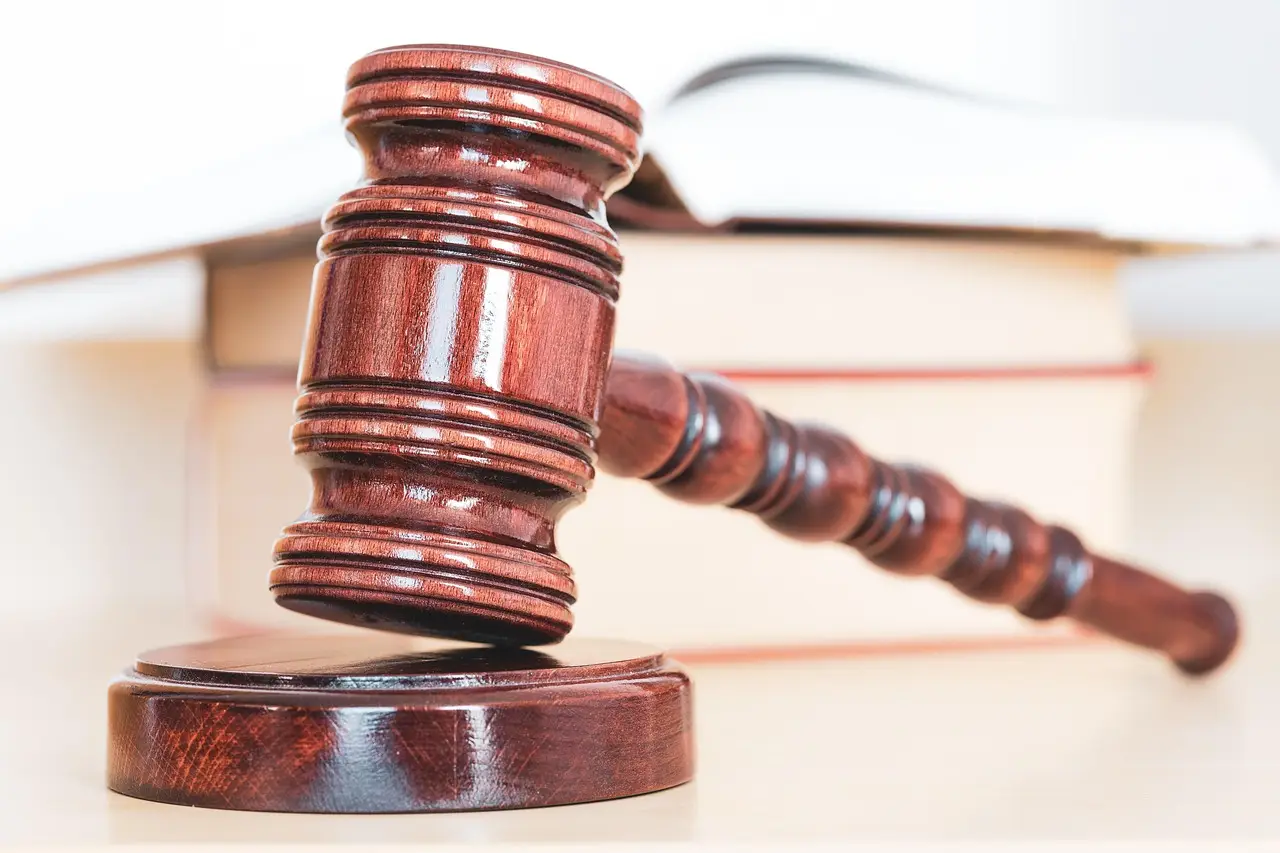
The International Court of Justice will deliver judgment on November 19 in The Gambia v. Myanmar, the landmark case testing whether Myanmar bears state responsibility for alleged genocide against the Rohingya minority. The ruling will be final, with no avenue for appeal.
The Hague-based court, the United Nations' principal judicial organ, has been weighing the case since The Gambia filed it in November 2019. At least 730,000 Rohingya fled Myanmar into Bangladesh after a military campaign launched in August 2017 in northern Rakhine State. Refugees reported killings, sexual violence and the destruction of entire villages.
Myanmar denies the allegations. Its government has maintained the operations were a legitimate counter-terrorism response.
What must the court actually decide?
The core legal question isn't whether mass violence occurred. It's whether the evidence establishes dolus specialis — the specific intent to destroy, in whole or in part, a national, ethnic, racial or religious group.
The 1948 Genocide Convention defines genocide through prohibited acts committed with that intent. Those acts include killing members of a protected group, causing serious bodily or mental harm, and deliberately imposing conditions of life calculated to bring about the group's physical destruction. Think of it as a homicide statute that turns entirely on motive: the same acts, without the destructive intent, fall outside the definition.
That intent threshold makes genocide cases notoriously hard to prove. Judges must sift the evidence and decide whether it crosses the legal line.
Human Rights Watch has called the upcoming decision a significant moment for the Rohingya's pursuit of justice. The organization also stressed a point practitioners should keep in mind: this case concerns the responsibility of the Myanmar state, not criminal charges against individual officials or soldiers. Those questions belong to other forums.
How did the case get here?
The procedural history matters for anyone tracking interstate litigation under the Convention.
- January 2020: The ICJ ordered provisional measures. Myanmar had to take steps to prevent acts prohibited under the Genocide Convention against the Rohingya and to preserve relevant evidence.
- July 2022: The Court rejected Myanmar's preliminary objections, clearing the case to proceed on the merits.
- January 12–29, 2026: Public hearings on the merits took place, with both sides presenting arguments and evidence.
- November 19: Judgment day.
Eleven other countries were permitted to intervene in the proceedings on questions concerning the interpretation of the Genocide Convention — a measure of how closely states are watching the case.
What does the ruling change for practitioners?
Plenty. Reuters reported that the decision could influence how the Court approaches other genocide proceedings, including the separate case South Africa brought against Israel over Gaza. Israel denies the allegations in that case. Whatever the ICJ says here about proving genocidal intent at the state level will echo through every future Genocide Convention filing. The judgment could clarify how international law assesses genocidal intent and allocates state responsibility — the two questions that dominate this docket.
But a final, unappealable ruling doesn't guarantee enforcement. Questions surrounding implementation and the practical enforcement of international judgments may remain. The ICJ has no enforcement arm of its own; compliance depends largely on political pressure and the UN Security Council.
Why this matters beyond The Hague
For the Rohingya, the judgment caps years of displacement and uncertainty with a formal legal reckoning. For the international community, it tests whether the Genocide Convention — drafted in the shadow of the Second World War — still functions when a state stands accused of responsibility for mass atrocities.
The Court's findings will determine the legal outcome of this case while contributing to the wider debate over accountability, protection of vulnerable populations and the enforcement of international law. November 19 is the date to watch.
via GN International Courts (Source)
More from Sophie Lindqvist
Show full bio
News editor covering people, launches and day-to-day practice in International law and legal practice at Global Law Wire.
293 articles
Also before the court
- ICJ Concludes Genocide Hearings in The Gambia v. Myanmar Case
- ICJ Set to Rule in Gambia v. Myanmar Rohingya Genocide Case
- The Hague Orders Protection for Rohingya; OIC Faces Its Own Test
- Gambia v Myanmar Genocide Case Enters Final Phase at ICJ
- Gambia v. Myanmar at the ICJ: How a 2019 Filing Reshaped Genocide Litigation