Law report No. GLW-6429 · filed October 10, 2026
Courts & TribunalsReported case
ICC Opens Confirmation Hearings Against El Hishri on War Crimes Counts
ICC Pre-Trial Chamber has opened hearings to confirm charges of war crimes and crimes against humanity against El Hishri, according to a publication by Centro di Ateneo per i Diritti Umani.
By Priya Raman3 min read555 words
Holding
- ICC has opened confirmation of charges hearings against a suspect identified as El Hishri
- Charges cover war crimes and crimes against humanity under the Rome Statute
- Proceedings governed by Article 61 before a three-judge Pre-Trial Chamber
- Confirmation standard under Article 61(7) is "substantial grounds to believe"
- Source item: Centro di Ateneo per i Diritti Umani, University of Padova human rights centre
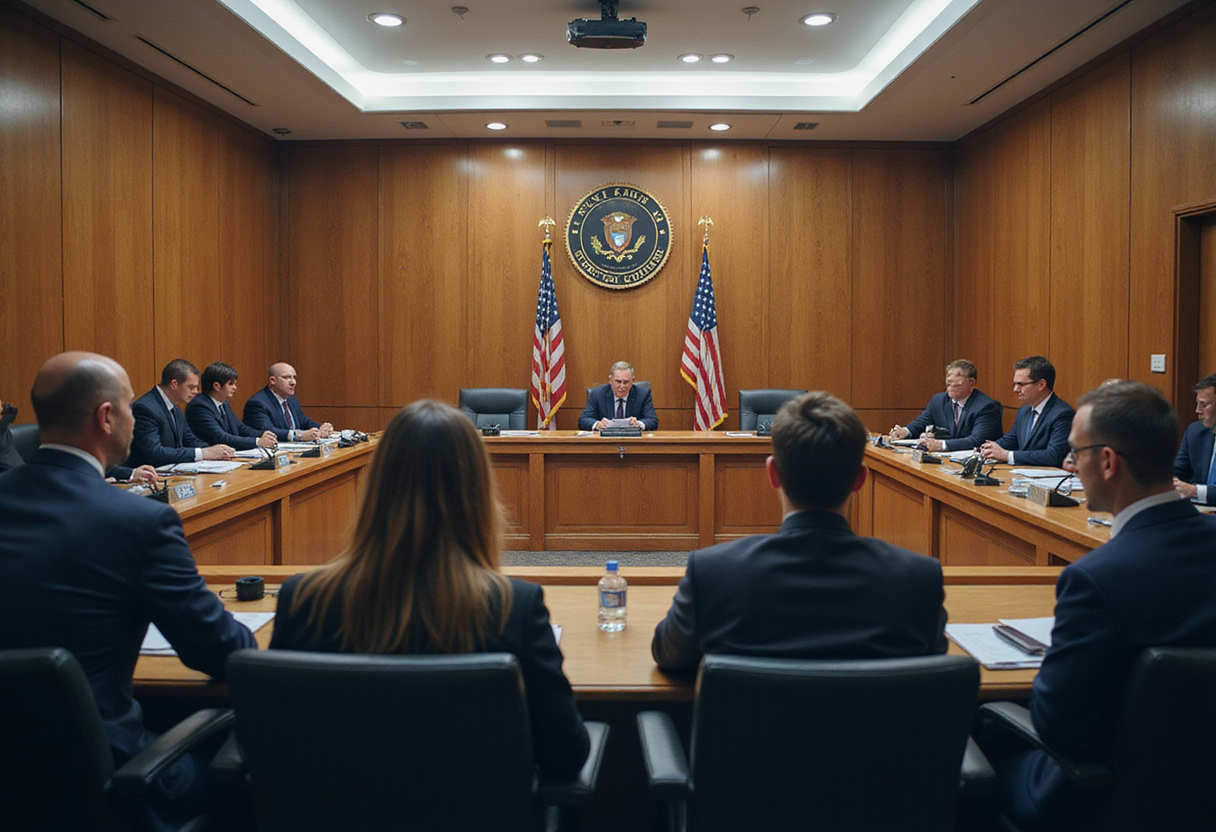
The International Criminal Court has opened hearings to confirm charges of war crimes and crimes against humanity against a suspect identified as El Hishri, according to an item published by the Centro di Ateneo per i Diritti Umani.
Confirmation of charges hearings at the ICC proceed under Article 61 of the Rome Statute before a Pre-Trial Chamber composed of three judges. The chamber reviews the prosecutor's evidence and hears submissions from the defence before determining whether each count may proceed to trial.
What is the legal standard?
Under Article 61(7), the Pre-Trial Chamber must find "sufficient evidence to establish substantial grounds to believe" that the accused committed each crime charged. The threshold falls well below the proof beyond a reasonable doubt standard that governs conviction at trial.
The chamber evaluates the sufficiency of the evidence, not its weight. It does not resolve credibility disputes or weigh conflicting testimony at the confirmation stage. The prosecutor must show that a reasonable trier of fact could sustain a conviction on the record presented.
If the chamber confirms the charges, the case moves to a Trial Chamber for trial on the merits. If it declines to confirm any count, that count ends without prejudice, although the prosecutor may seek leave to appeal.
What does the source tell us?
The published item identifies the suspect as El Hishri and frames the alleged crimes as war crimes and crimes against humanity. The item does not specify the underlying conduct, the relevant time period, or the geographic context of the alleged acts.
The item does not include a case reference number, a hearing date, or a chamber composition. The Centro di Ateneo per i Diritti Umani is the human rights centre of the University of Padova, which monitors international criminal proceedings.
The Rome Statute permits confirmation proceedings in absentia where the accused is not in the custody of the Court. The statute requires that the accused has been notified of the proceedings or that reasonable steps have been taken to notify him.
What does this mean for practitioners?
For practitioners, confirmation proceedings illustrate the procedural architecture of the Rome Statute system. The chamber's decision determines whether the Office of the Prosecutor may proceed toward trial. A refusal to confirm does not bar the prosecutor from presenting a strengthened evidentiary record at a later stage.
Defence teams participating in confirmation hearings should note the limited scope of review. Counsel may challenge the admissibility and reliability of evidence, but the chamber will not weigh that evidence at this stage. Defence submissions focus on whether the evidence, taken at face value, is capable of supporting conviction.
For practitioners advising on referrals and complementarity, confirmation decisions provide an early test of the evidentiary record. The chamber's reasoning often identifies the factual findings the prosecutor must prove at trial.
What happens next?
The Pre-Trial Chamber will issue a written decision confirming or declining to confirm each charge. The decision will state the factual basis the prosecutor has established and the chamber's reasoning. Following confirmation, the Presidency constitutes a Trial Chamber.
The article's appearance signals that the prosecutor has met the threshold required to advance the case to a Pre-Trial Chamber review. Practitioners should watch for the chamber's written decision and any subsequent trial-stage scheduling order.
via GN War Crimes (Source)
More from Priya Raman
Show full bio
Staff writer covering consumer brands and retail at Global Law Wire.
187 articles
Also before the court
- ICC Confirms War Crimes Charges Against Joseph Kony, Still At Large
- ICC Pre-Trial Chamber I Confirms All Charges Against Duterte
- ICC Concludes Confirmation of Charges Hearing in Duterte Case
- ICC Presidency Constitutes Trial Chamber III for Duterte Case
- ICC to Deliver Trial Judgment in Said Case on 23 September 2026