Law report No. GLW-6157 · filed September 29, 2026
Courts & TribunalsReported case
ICC Issues Arrest Warrants for Netanyahu and Ex-Defense Minister
The International Criminal Court has issued arrest warrants for Israeli Prime Minister Benjamin Netanyahu and former Defense Minister Yoav Gallant over alleged war crimes in Gaza.
By Marcus Bennett3 min read643 words
Holding
- The ICC issued arrest warrants for Netanyahu and former Defense Minister Yoav Gallant on 21 November 2024.
- The warrants require all 124 ICC member states to arrest the two men if they enter their territory.
- The standard applied — reasonable grounds to believe — is an early-stage threshold, not a determination of guilt.
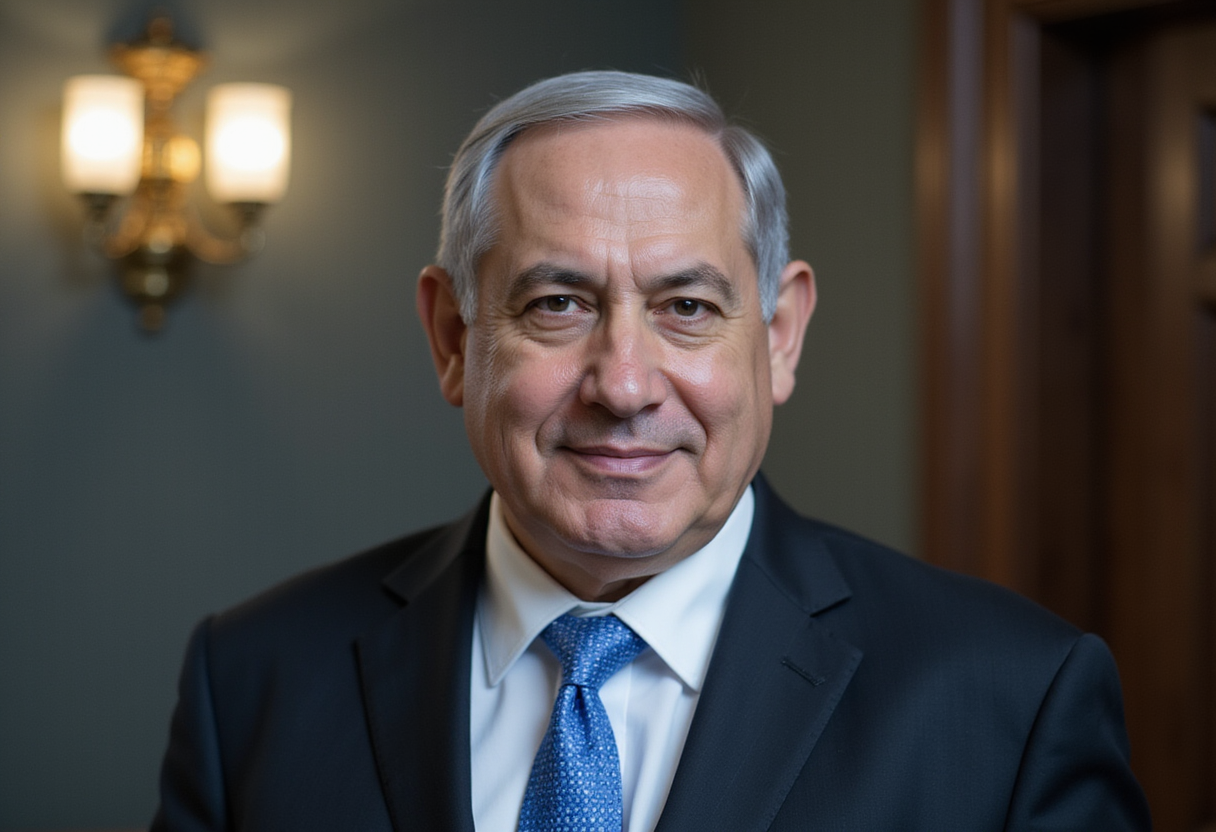
The International Criminal Court has issued arrest warrants for Israeli Prime Minister Benjamin Netanyahu and former Defense Minister Yoav Gallant, the tribunal announced on 21 November 2024.
A Pre-Trial Chamber of the ICC signed off on the warrants in connection with the court's investigation into alleged war crimes and crimes against humanity committed in the Gaza Strip. The warrants render both men subject to arrest in any of the court's 124 member states, a legal exposure that follows Netanyahu and Gallant for the rest of their lives unless the warrants are withdrawn or vacated.
What the court decided
The chamber found reasonable grounds to believe that the two men bear criminal responsibility for alleged atrocity crimes stemming from Israel's military campaign in Gaza. Under the Rome Statute, an arrest warrant at this stage requires only "reasonable grounds to believe" — a threshold far below the standard of proof needed at trial. The issuance of warrants is not a verdict of guilt, and the ICC operates on the presumption of innocence for all suspects.
The warrants mark the first time the ICC has charged the sitting head of government of a close Western ally. They follow years of jurisdictional contestation over whether the court may lawfully exercise authority over Israeli nationals, given that Israel is not a Rome Statute party. Prosecutors have rested jurisdiction on Palestine's membership in the court, which the Assembly of States Parties recognized in 2015.
The chamber's reasoning
Judges weighing the prosecutor's applications had to be satisfied on two fronts: that the alleged crimes fall within the court's subject-matter jurisdiction, and that the suspects' alleged responsibility is supported by reasonable grounds. The chamber concluded both tests were met.
Israel rejects the court's jurisdiction outright and has denounced the proceedings. The United States, also not a Rome Statute party, has likewise criticized the warrants. Neither state's objection, however, blocks the legal effect of the warrants within member states that accept the court's authority.
Practical consequences for practitioners
For legal teams advising multinational clients, governments, and NGOs, the warrants carry immediate operational significance. First, all 124 ICC member states are now formally obliged to arrest Netanyahu and Gallant should they enter their territory and to surrender them to The Hague. That obligation extends to state visits, stopovers, and even airport transits, forcing travel planners and counsel to audit itineraries country by country.
Second, the warrants complicate diplomatic engagement. Advisers to heads of state and foreign ministries in member states — including much of Europe and Latin America — must now weigh arrest obligations against bilateral relations, and some states may seek to negotiate or litigate questions of immunity for sitting officials. International law recognizes no blanket immunity from ICC prosecution for sitting heads of state under the Rome Statute framework, but national courts will inevitably be asked to reconcile competing obligations.
Third, defence counsel, prosecutors, and amici now face a procedural horizon dominated by one question: will the accused ever appear? The ICC conducts no trials in absentia under its current rules, so the case will advance through confirmation-of-charges proceedings only if the defendants are surrendered or arrange voluntary appearance — an outcome Netanyahu has vowed will never happen.
The road ahead
The warrants put sustained pressure on member states to take a public position on enforcement. They also invite litigation before national courts over arrest duties and immunities, and they keep the underlying investigation open, meaning additional charges or additional suspects could follow.
For the court itself, the decision represents a defining test of its willingness to act against senior officials of powerful non-member states. Whether the warrants are ever executed or not, they have already reshaped the legal calculus surrounding Israeli officials' international travel and set the stage for years of jurisdictional skirmishing between The Hague, Jerusalem, and Washington.
via GN War Crimes (Source)
More from Marcus Bennett
Show full bio
Market editor covering marketplaces and e-commerce at Global Law Wire.
192 articles
Also before the court
- ICC Issues Arrest Warrants for Netanyahu and Others Over Israel-Hamas War
- ICC Issues Arrest Warrants for Netanyahu, Gallant and Deif
- ICC Judges Reject Israel's Jurisdiction Challenges, Issue Netanyahu Arrest Warrants
- ICC Issues Arrest Warrants for Netanyahu and Gallant
- Gaza Conflict Raises Question: When Will 'Lords of War' Face Trial?