Law report No. GLW-8118 · filed September 29, 2026
Criminal JusticeReported case
Hague War Crimes Trial Hit by Court Blunder Threatening Fairness
A procedural blunder by a court in The Hague could jeopardise the fairness of an ongoing war crimes trial, raising possible appeal grounds for the defence.
By Sophie Lindqvist3 min read521 words
Holding
- A court in The Hague committed a procedural blunder in an ongoing war crimes trial, Balkan Insight reported.
- The error is attributable to the court itself, not to the prosecution or defence, and could jeopardise the fairness of the proceedings.
- The blunder may give the defence grounds to challenge the trial record or seek remedies such as exclusion of evidence or a retrial.
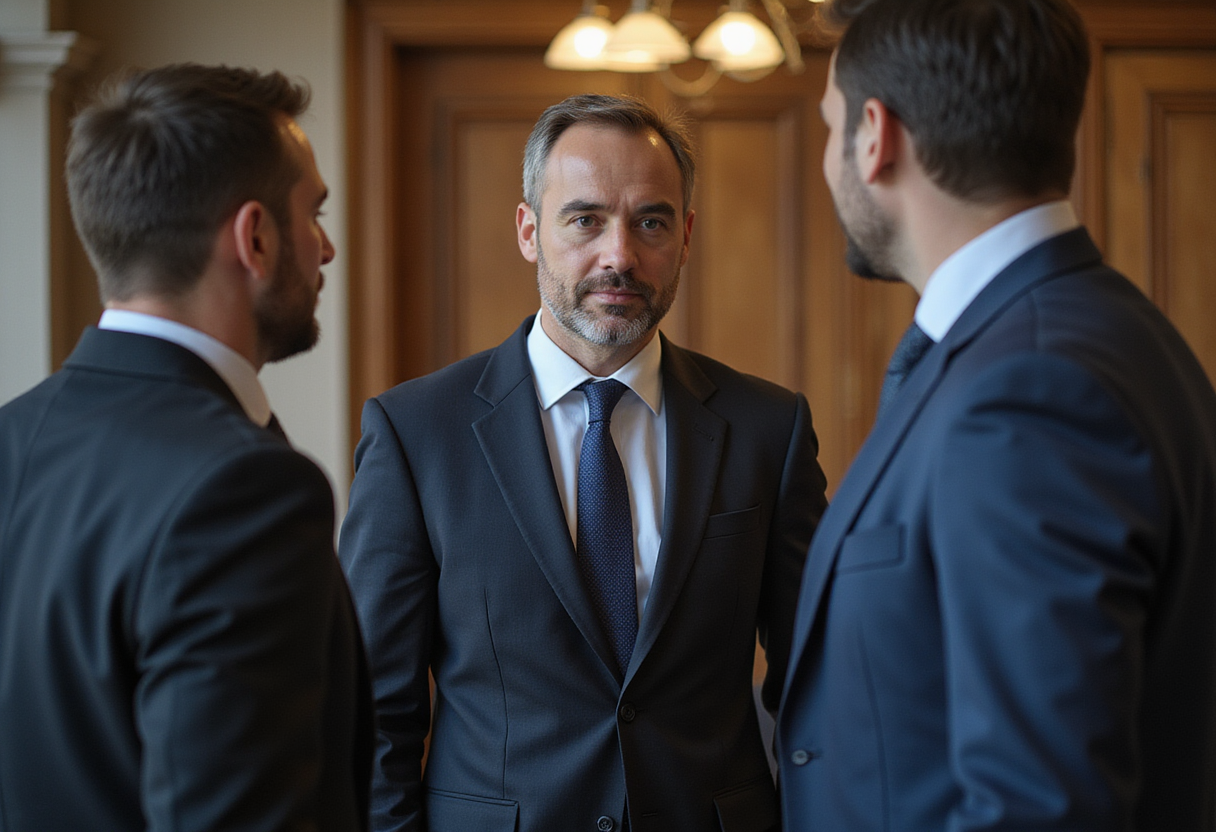
A procedural blunder by a court in The Hague could jeopardise the fairness of an ongoing war crimes trial, Balkan Insight has reported.
The error, described as a blunder committed by the court itself rather than by the prosecution or defence, has raised concerns that the trial's outcome could be called into question on appeal or in future review proceedings. For a war crimes trial conducted before an international tribunal in The Hague, any lapse in procedure that touches on the rights of the accused carries particular weight, given the stringent fair-trial guarantees that international criminal law imposes.
What happened
The court handling the case made an error in the conduct of the proceedings. The report does not yet detail the precise nature of the mistake, but characterises it as serious enough that it "could jeopardise fairness" — language suggesting the defence may have grounds to challenge the integrity of the trial.
In international criminal proceedings, errors of this kind can take several forms: the admission of evidence that should have been excluded, the disclosure of protected material, or a failure to follow procedural rules governing witness testimony. Whatever the specific fault here, the significance lies in who committed it. When a court itself — rather than one of the parties — is responsible for a procedural irregularity, the remedy available to the accused becomes more difficult, because the error cannot simply be attributed to opposing counsel's conduct.
Why it matters for practitioners
For defence counsel, the blunder opens a potential avenue for appeal or for a motion challenging the fairness of the proceedings. Under the procedural frameworks of the international courts sitting in The Hague, an accused who suffers a miscarriage of justice through judicial error may seek remedies ranging from a retrial to the exclusion of tainted evidence. Prosecutors, meanwhile, will need to assess whether the error has compromised any part of their case and prepare to defend the trial record. Judges will face pressure to address the mistake transparently, either by ruling on its consequences or by taking corrective measures, because a failure to do so could expose the eventual judgment to reversal. The practical consequence is uncertainty: the timeline of the trial may lengthen, and the final judgment now rests on a record containing an acknowledged irregularity.
The stakes
War crimes trials in The Hague have historically been scrutinised for their adherence to fair-trial standards, and appellate chambers have not hesitated to overturn or modify judgments where those standards were breached. An error attributable to the trial chamber itself therefore carries a distinctive risk: it goes to the legitimacy of the judicial process rather than to the strength of the evidence.
The parties now await clarification of how the court intends to deal with the blunder. Until the tribunal responds — through a ruling, a corrective order, or an explanation on the record — the question of whether the trial can proceed to a defensible verdict remains open.
Balkan Insight, which first reported the story, has not yet published the full details of the error or the tribunal's reaction. Further reporting is expected as the proceedings continue.
via GN War Crimes (Source)
More from Sophie Lindqvist
Show full bio
News editor covering industry trends and analytics at Global Law Wire.
202 articles
Also before the court
- Hague Court Set to Deliver Verdict in War Crimes Trial of Kosovo's Thaci
- JusticeInfo.net Examines How War Criminals View Tribunals
- Croatia's War Crimes Prosecutions Have Stalled, Watchdog Tells Balkan Insight
- Eighty Years After Nuremberg, Scholars Ask If Such a Trial Could Happen Again
- Kosovo Specialist Chambers Deliver Verdict in KLA Leaders' War Crimes Trial